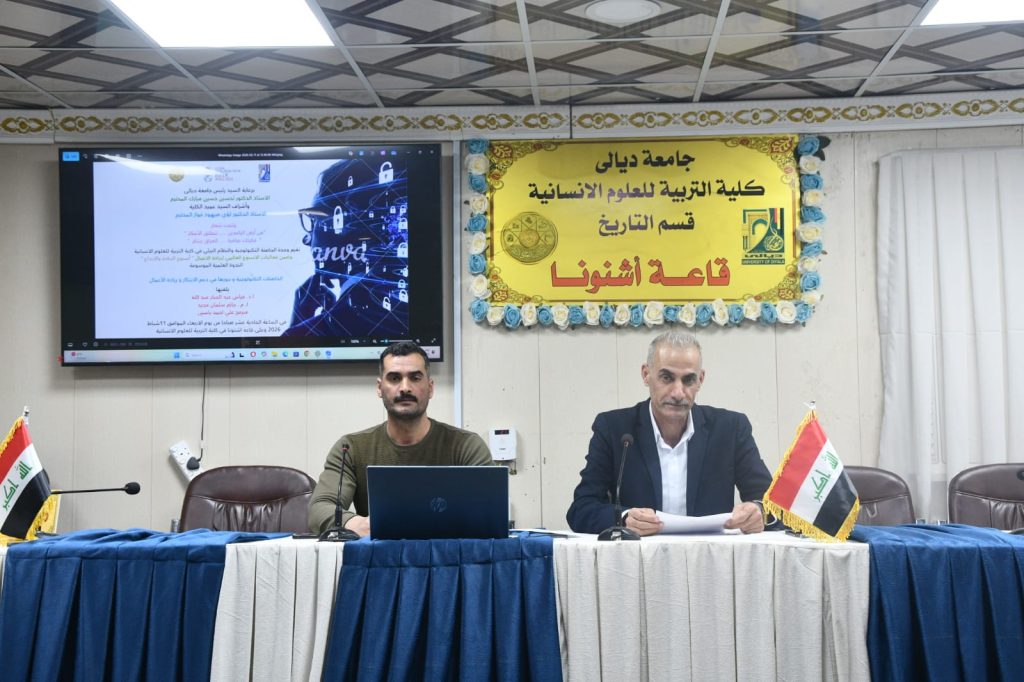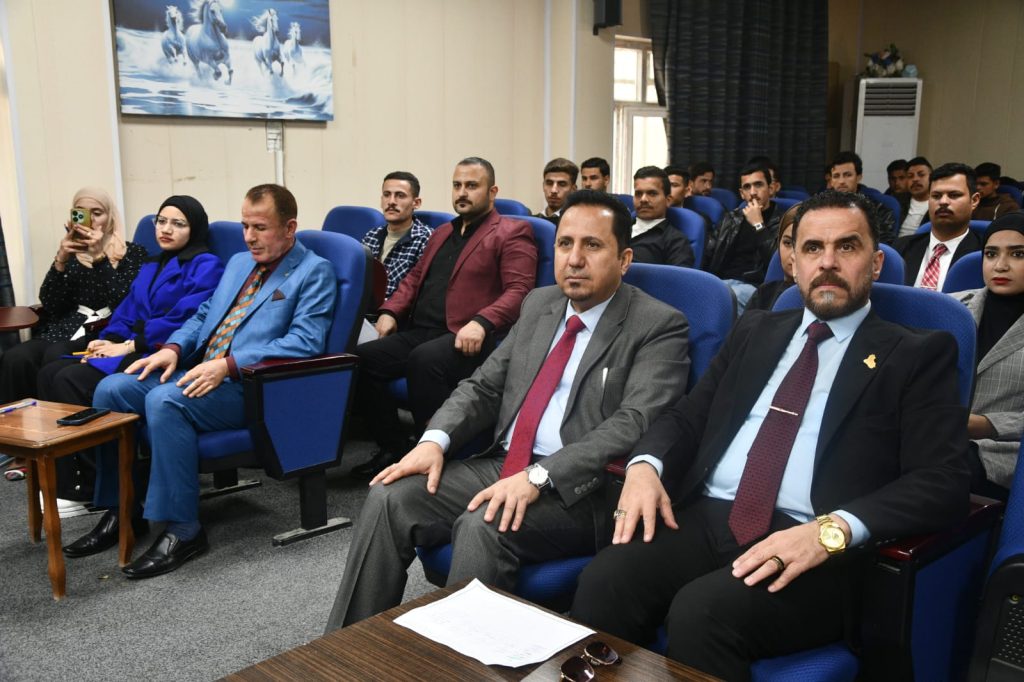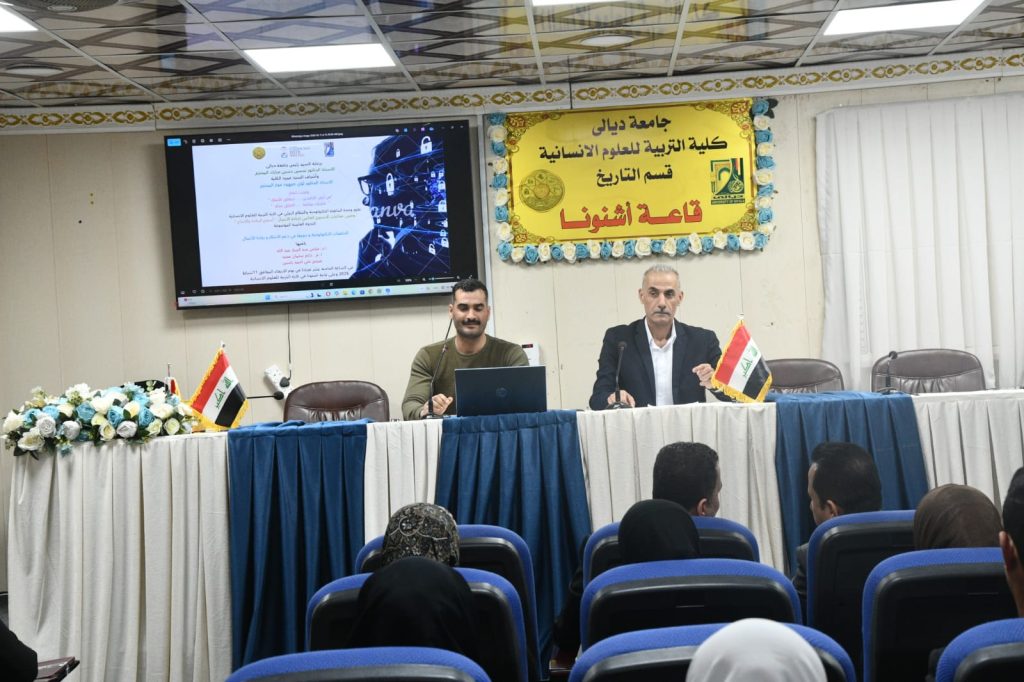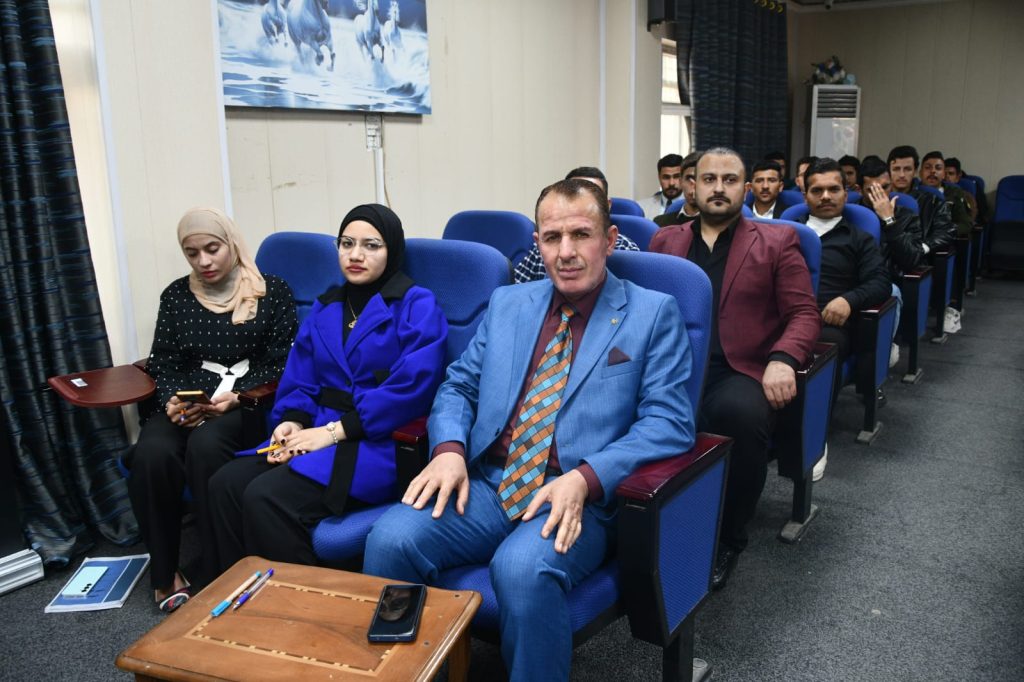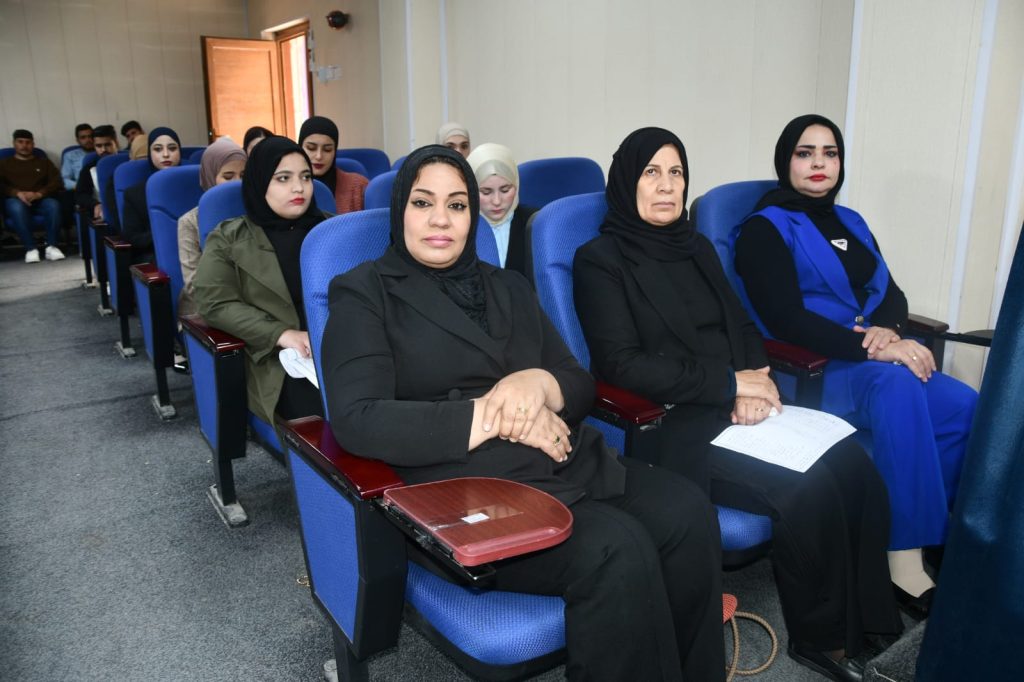

As part of Global Entrepreneurship Week, the College of Education for Humanities held a scientific seminar on technology incubators and their role in supporting innovation and entrepreneurship.
Under the patronage of the President of Diyala University, Professor Dr. Tahseen Hussein Mubarak, and the supervision of the Dean of the College of Education for Humanities, Professor Dr. Luay Sayhood Al-Tamimi, and as part of Global Entrepreneurship Week (Entrepreneurship and Creativity Week), and under the slogan “From the Land of the Two Rivers… Ideas Launch – Your Idea is Iraqi… Iraq Innovates,” the College’s Technology Incubator and Ecosystem Unit held a scientific seminar on technology incubators and their role in supporting innovation and entrepreneurship.The seminar, whose topics were discussed by Professor Dr. Firas Abdul-Jabbar Abdullah, Assistant Professor Hazem Salman Majeed, and programmer Ali Ahmed Yassin, indicated that technology incubators work to strengthen their position as a key driver of the growth of the knowledge economy. Recent developments in early 2026 have demonstrated the pivotal role of incubators in transforming innovative ideas into sustainable and globally competitive economic projects. Incubators are a crucial tool for empowering youth and mitigating the risk of startup failure by creating an integrated environment to support innovators. Modern technology incubators provide a comprehensive ecosystem that goes beyond simply offering office space, offering intensive programs in emerging technologies such as artificial intelligence, the Internet of Things, and blockchain.The seminar highlighted that incubators contribute to building companies capable of employing thousands of graduates in specialized, non-traditional jobs, thus supporting comprehensive digital transformation plans and promoting innovation as a tool to address economic challenges. They also effectively contribute to reducing unemployment by guiding youth towards digital entrepreneurship and building a sustainable economy based on knowledge-based growth rather than traditional resources, with a focus on projects that offer high added value to the market.This seminar aligns with Sustainable Development Goal 8: Decent Work and Economic Growth, which aims to promote economic growth and provide decent work for all.