The College of Education for Humanities Holds a Scientific Seminar Entitled: “The Husseini Revolution and Its Impact on the Human Dimension… A Form of Human Development”
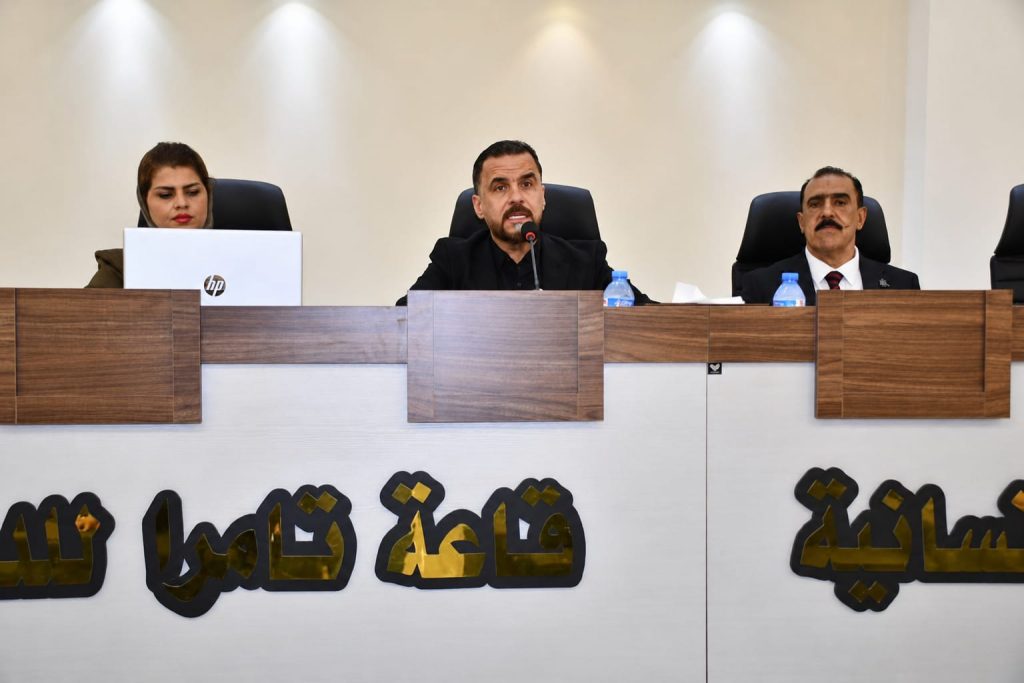
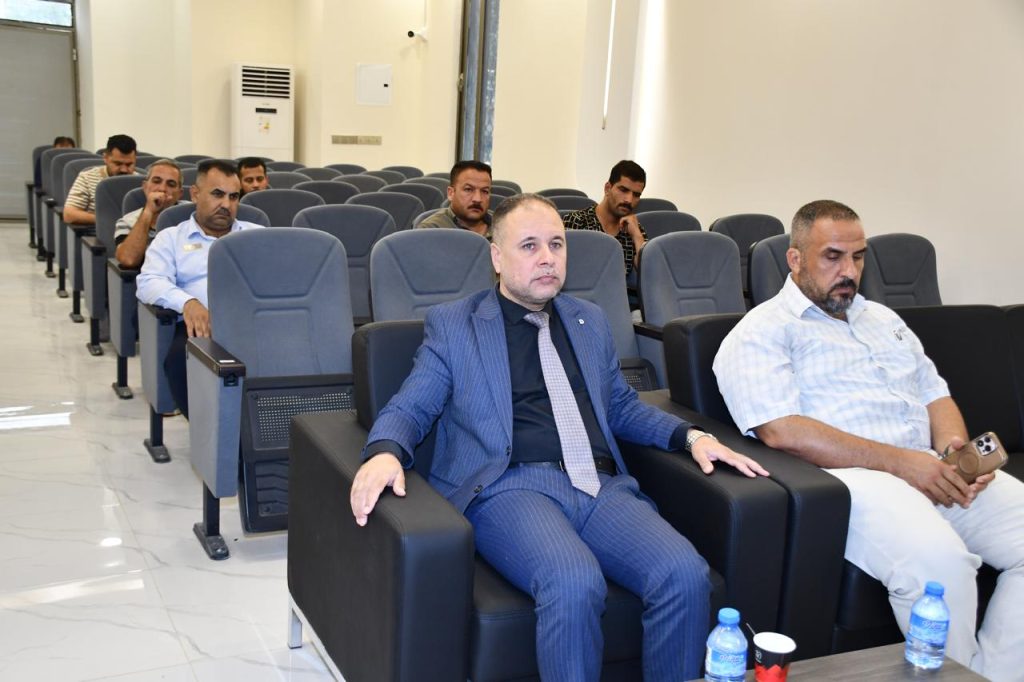
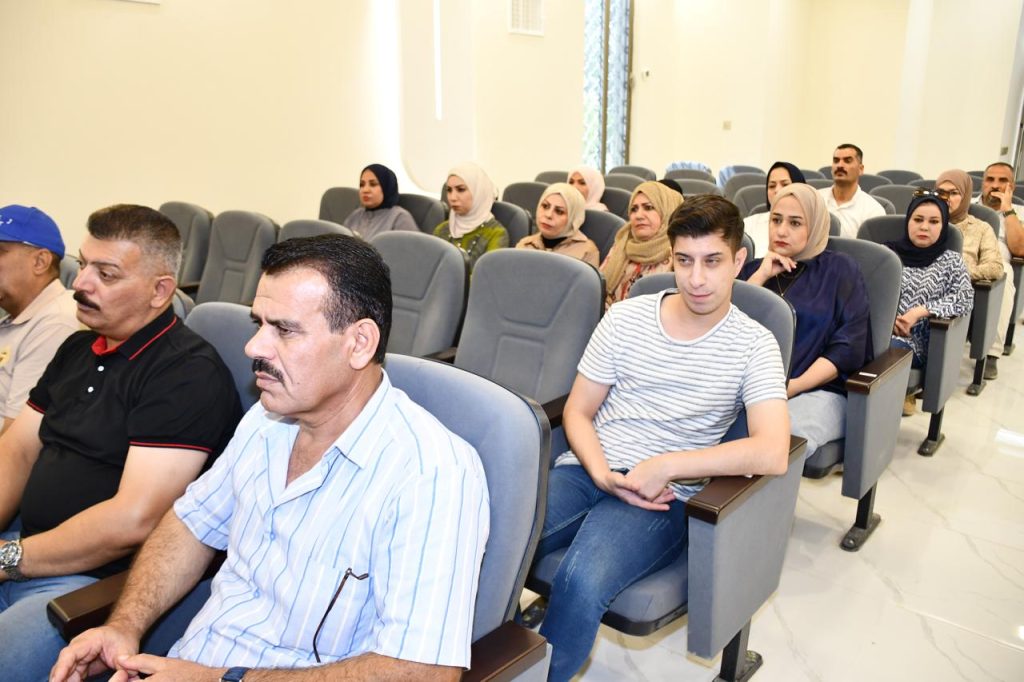
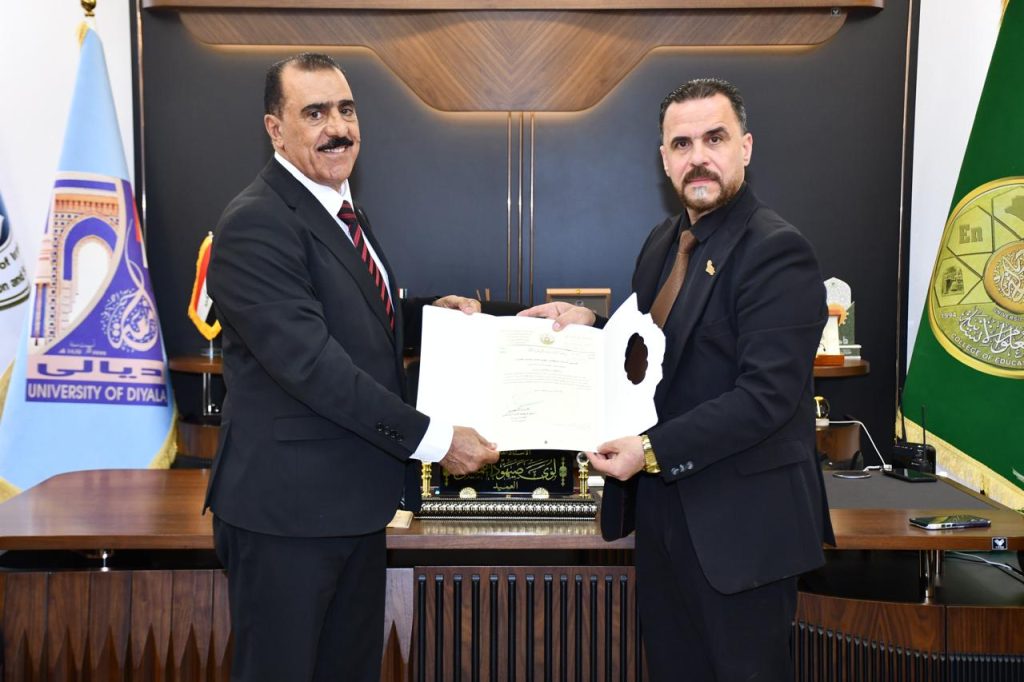
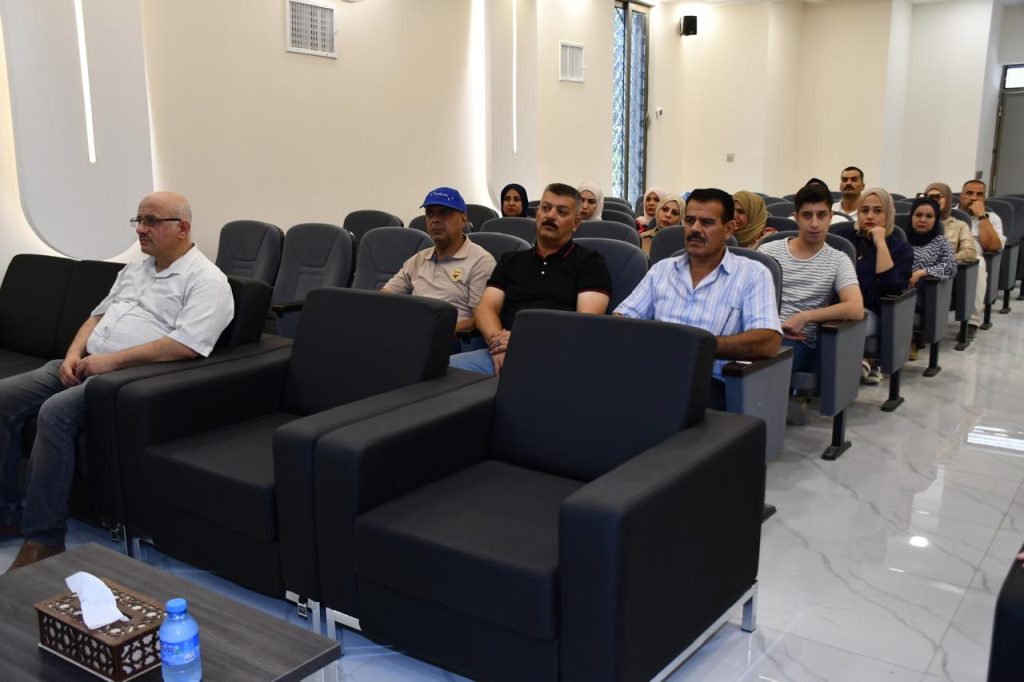
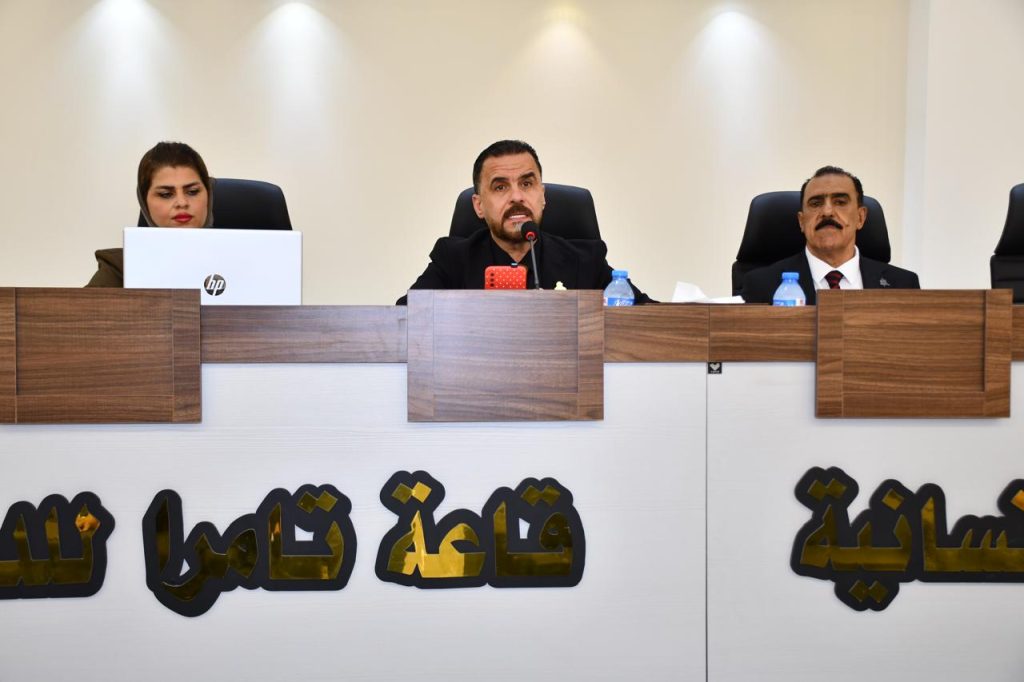
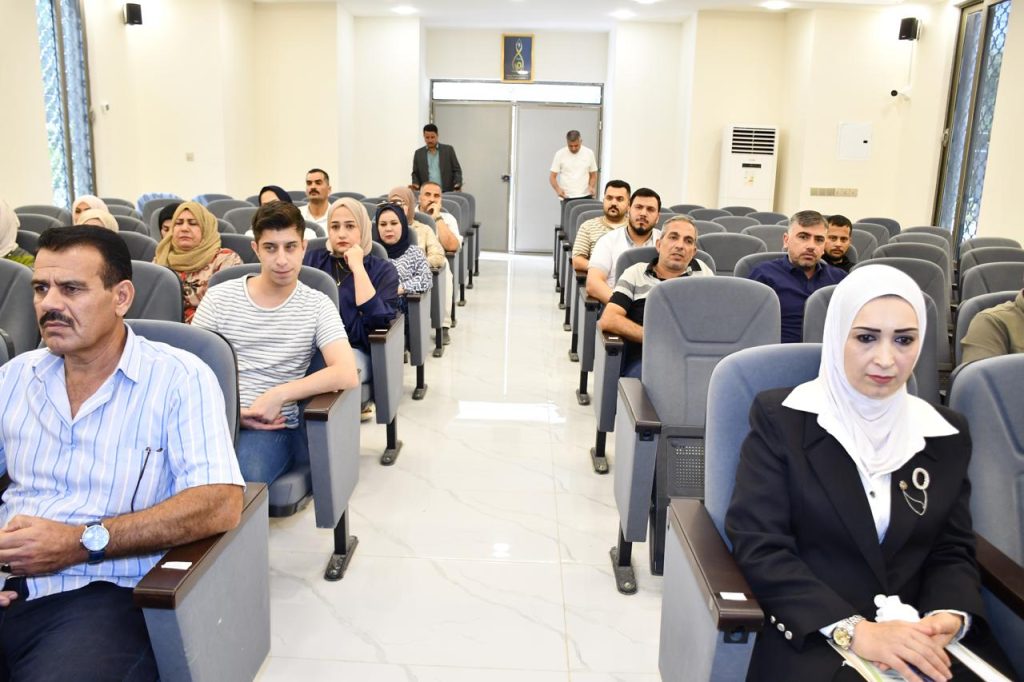
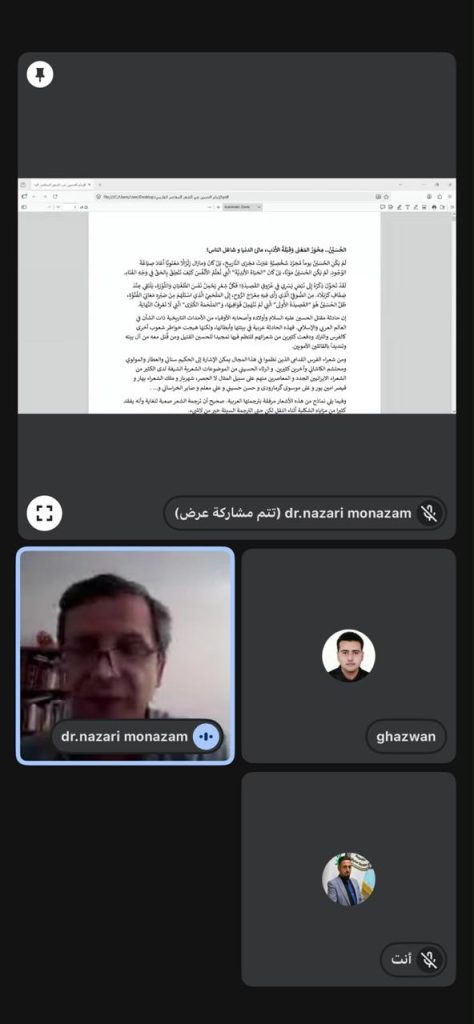
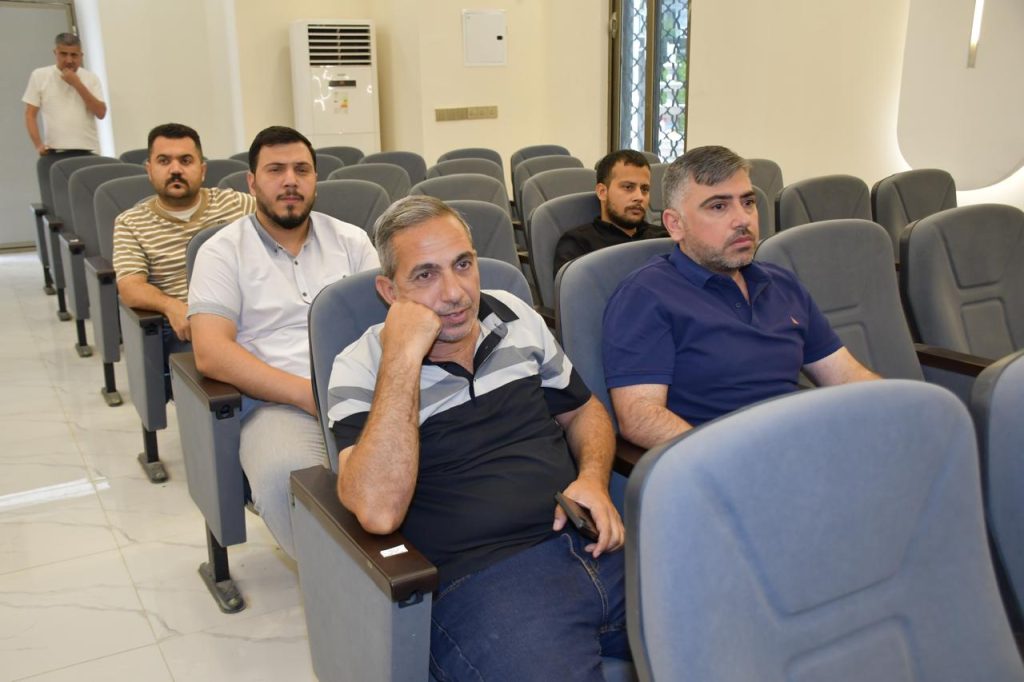
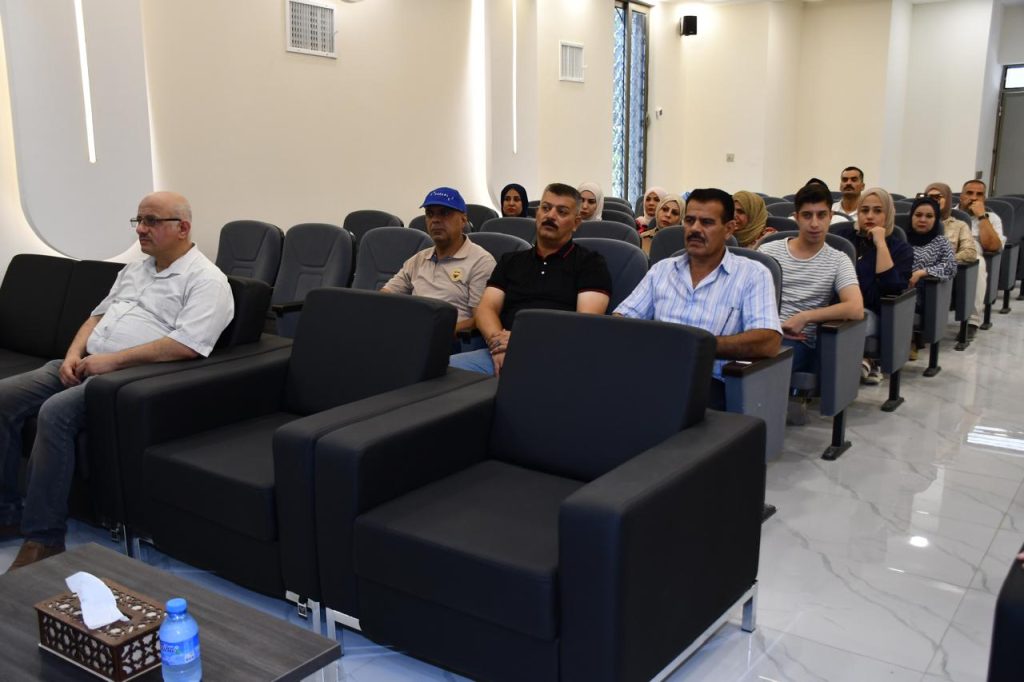
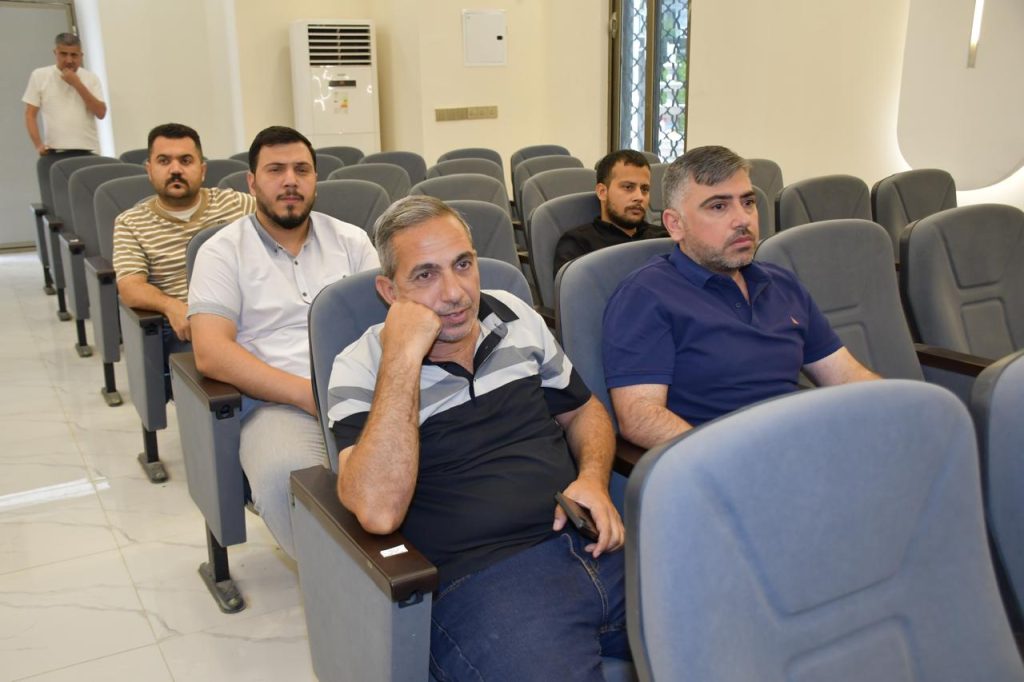
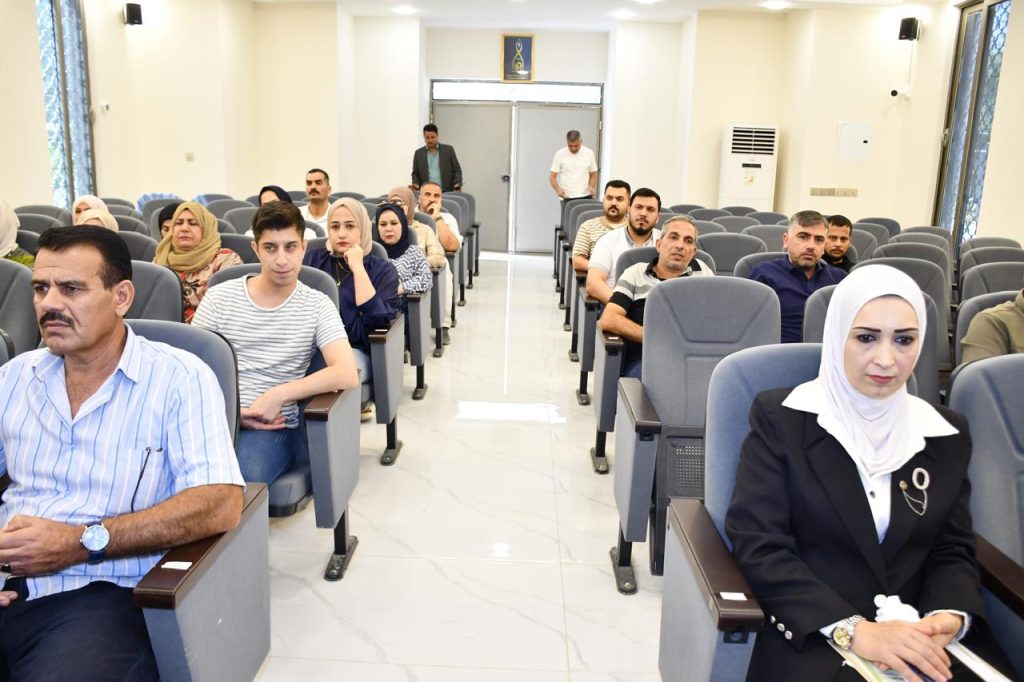
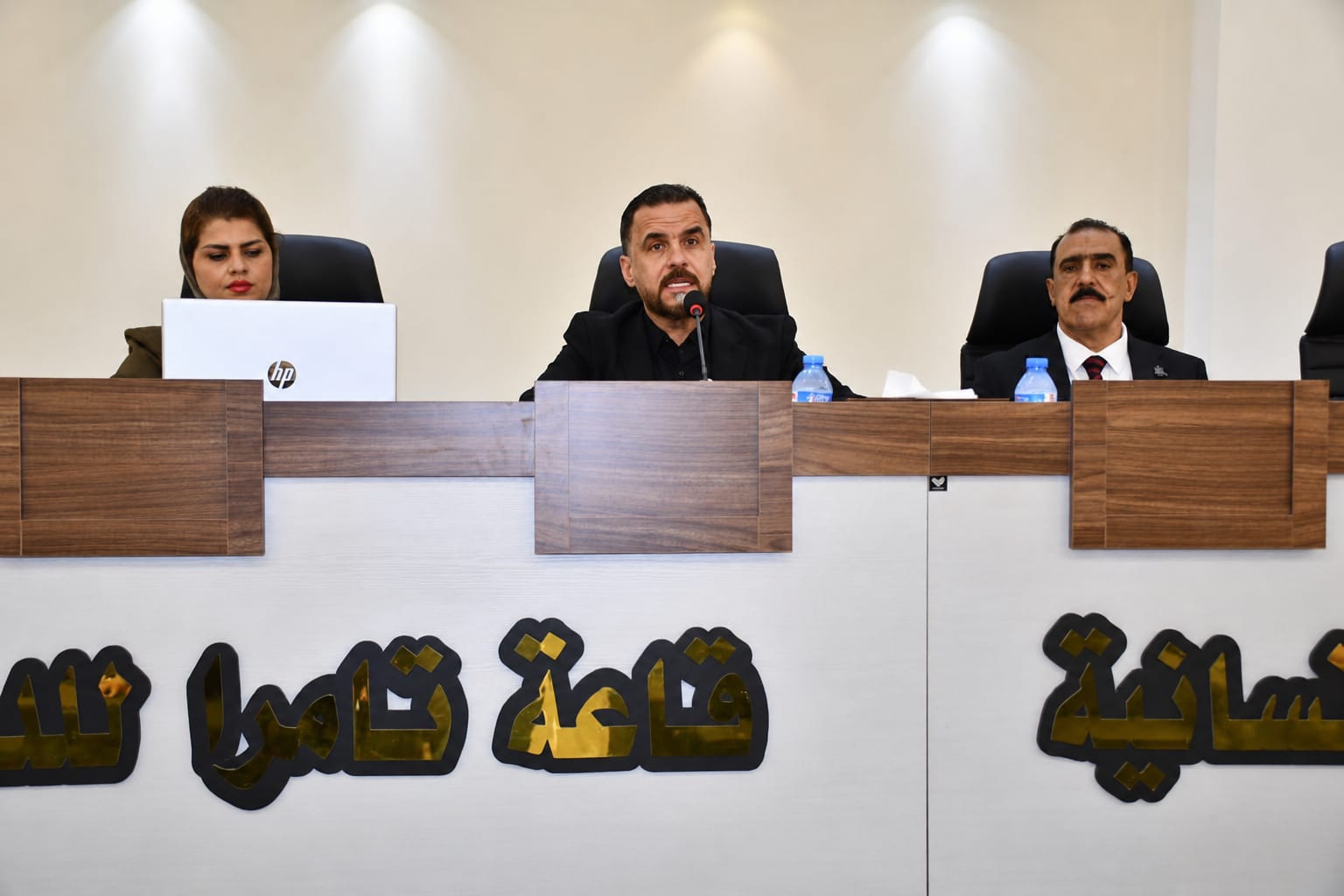
The College of Education for Humanities at Diyala University, in cooperation with Tarbiat Modares University in Tehran, held a seminar entitled “The Husseini Revolution and Its Impact on the Human Dimension… A Form of Human Development.” The seminar, whose topics were presented by the Dean of the College, Professor Dr. Luay Sayhood Al-Tamimi, and Professor Dr. Jaafar Hassan Jassim, as well as the participation of Professor Dr. Hadi Nazari Munazem from Tarbiat Modares University in the Islamic Republic of Iran, who participated via Google Meet, and Assistant Lecturer Zainab Qutaiba Abdul Ali, addressed the status of the Husseini Revolution as one of the most prominent historical events that left a profound impact on Arabic thought and literature. It served as a source of inspiration for poets and writers in embodying the values of truth, justice, freedom, and human dignity. These values were reflected in numerous literary works that contributed to consolidating societal awareness and promoting the principles of reform, tolerance, and sacrifice for the sake of God. The common good, for the Husseini revolution is not merely a historical event tied to a specific time, but a renewed human and ethical project that has transcended the boundaries of place and time to become a source of inspiration for writers, thinkers, and reformers. Arabic literature has played a prominent role in immortalizing this revolution by portraying its noble values of freedom, justice, human dignity, and reform, to the point that the Husseini cause has become one of the most prominent themes in poetry, prose, oratory, theater, and novels.The symposium clarified the impact of the Husseini Revolution on Arabic literature and its role in promoting human values that align with the concept of sustainable development, particularly in its social and cultural dimensions. It also discussed the contribution of literature inspired by the Husseini Revolution to spreading a culture of peace, establishing justice, strengthening social responsibility, and building conscious individuals capable of contributing to sustainable development. Furthermore, the symposium emphasized the importance of fostering dialogue among researchers and specialists to utilize the Husseini literary heritage in addressing contemporary issues and linking timeless human values to the goals of sustainable development, thereby contributing to building a more conscious, cohesive, and sustainable society.At the conclusion of the symposium, the Dean presented certificates of appreciation to the participating professors in recognition of their efforts in contributing to the symposium, which was held under the title “The Husseini Revolution and its Impact on the Human Dimension… A Form of Human Development.” The symposium’s themes align with the Sustainable Development Goals, particularly Goal 4 (Quality Education) and Goal 16 (Peace, Justice and Strong Institutions), through the dissemination of knowledge, the promotion of the values of justice and peace, and the consolidation of societal awareness and humanistic culture.