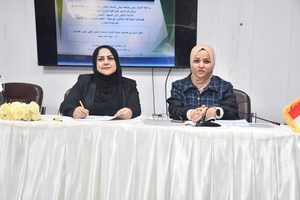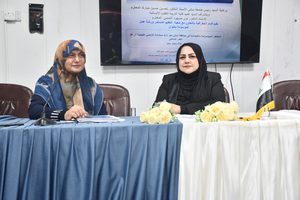
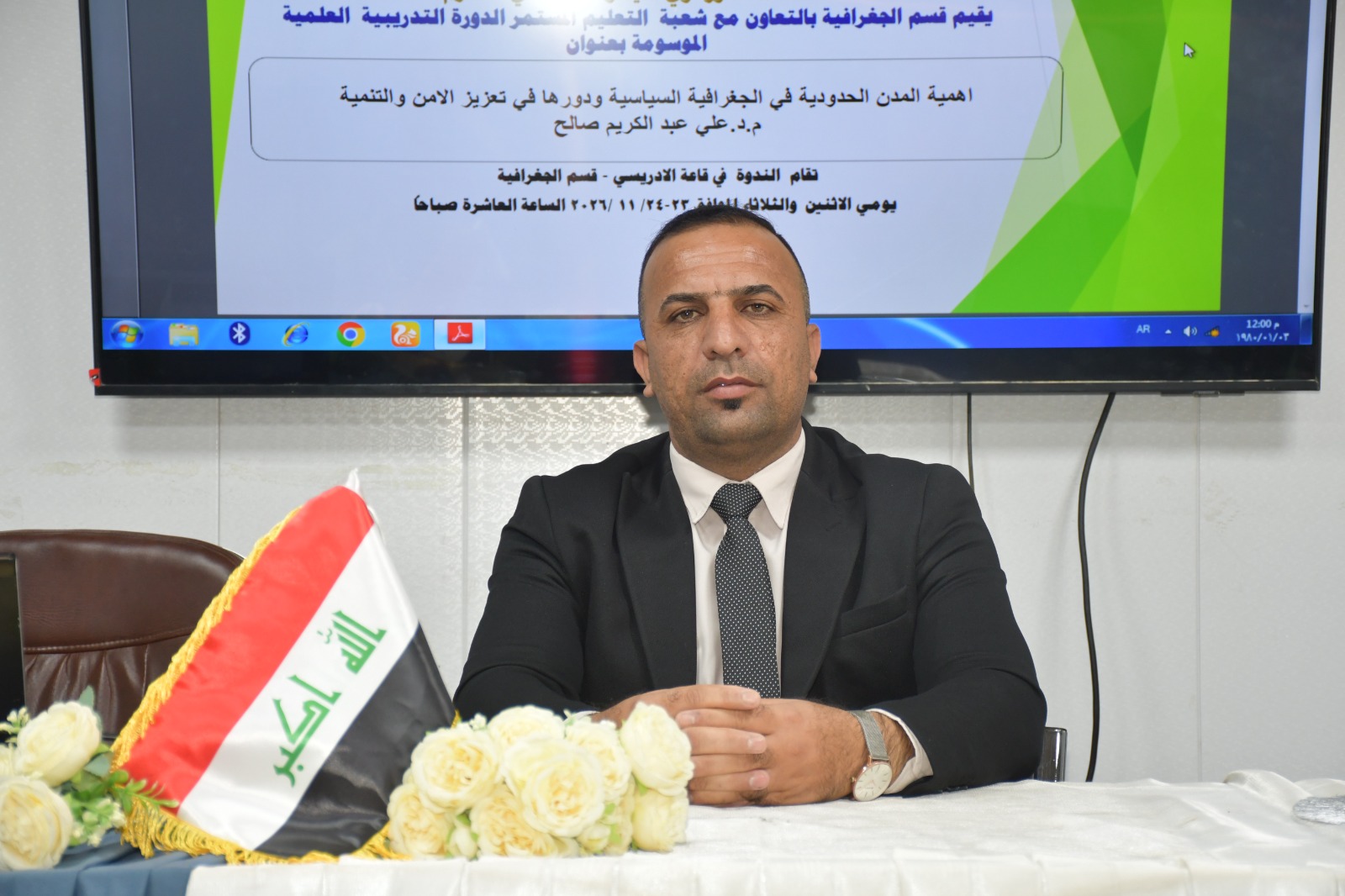
College of Education for Humanities Organizes a Scientific Course Titled: “The Importance of Border Cities in Political Geography and Their Role in Enhancing Security and Development”
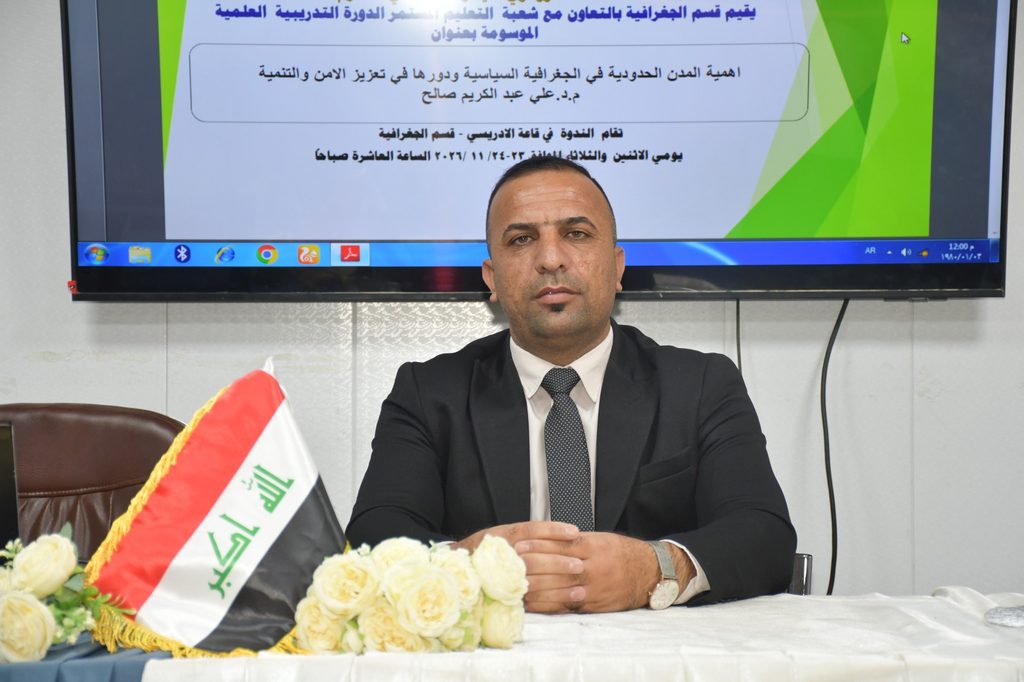
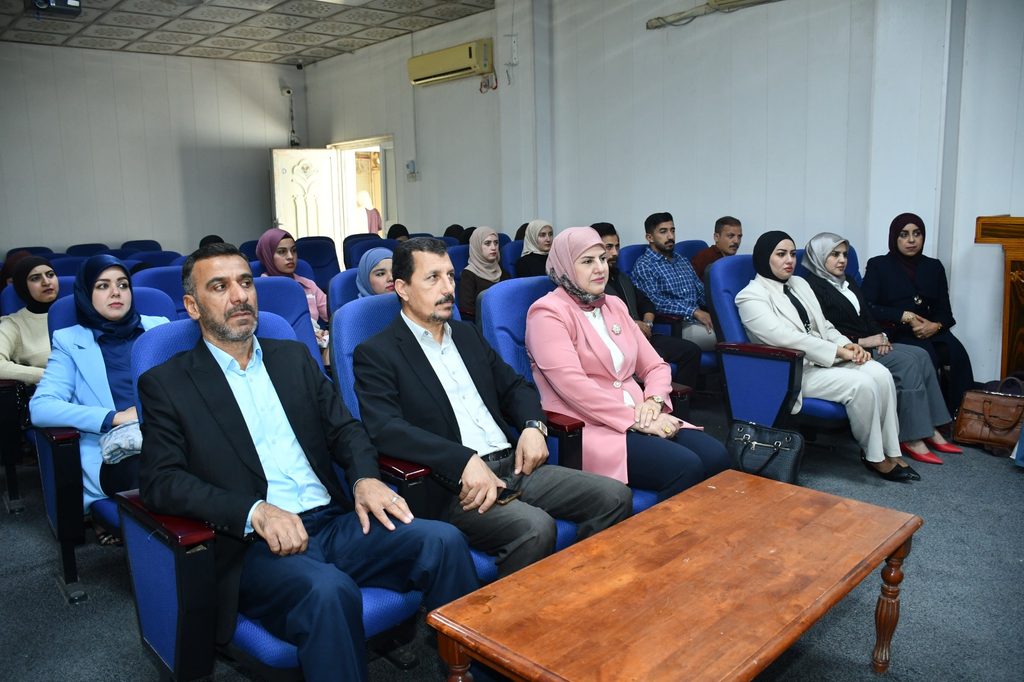
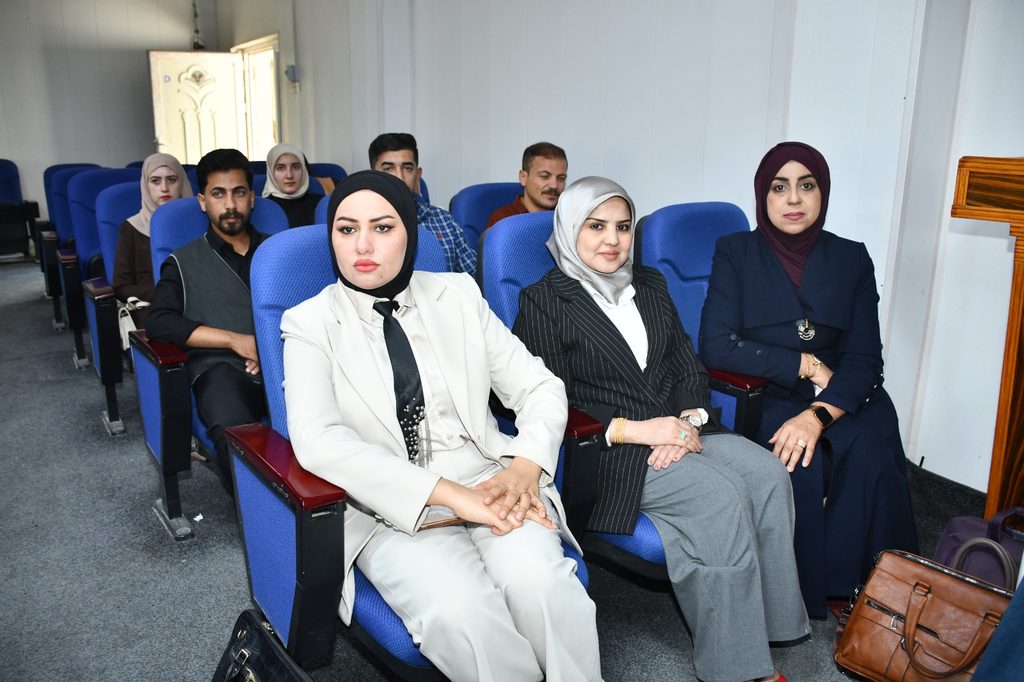
The Department of Geography at the College of Education for Humanities, University of Diyala, organized a scientific course titled “The Importance of Border Cities in Political Geography and Their Role in Enhancing Security and Development.”The course, presented by Dr. Ali Abdul-Karim Salih, explored the geographical, political, and strategic significance of border cities. These areas are vital zones situated at the periphery of a state, serving as points of contact and interaction with neighboring countries. Furthermore, they play a crucial role in safeguarding national sovereignty, bolstering security and stability, stimulating commercial and economic activity, and fostering civilizational and cultural exchange.The course also highlighted the complementary relationship between security and development in border cities. It emphasized the importance of developing infrastructure, improving essential services, creating job opportunities, and strengthening security and administrative institutions—all of which contribute to addressing economic and social challenges and achieving sustainable stability in border regions.The course concluded with several recommendations, most notably: the formulation of comprehensive development plans for border cities; the utilization of modern technology for border surveillance and the combatting of smuggling and organized crime; the creation of up-to-date databases and geographical maps to support planning and decision-making; and the activation of the role of universities and scientific research centers in studying the geographical, political, and security-related issues of these cities to provide appropriate, science-based solutions. This course aligns with Sustainable Development Goal 11 (Sustainable Cities and Communities) by supporting integrated urban planning, enhancing the security and development of border cities, and improving the quality of services provided to their residents.