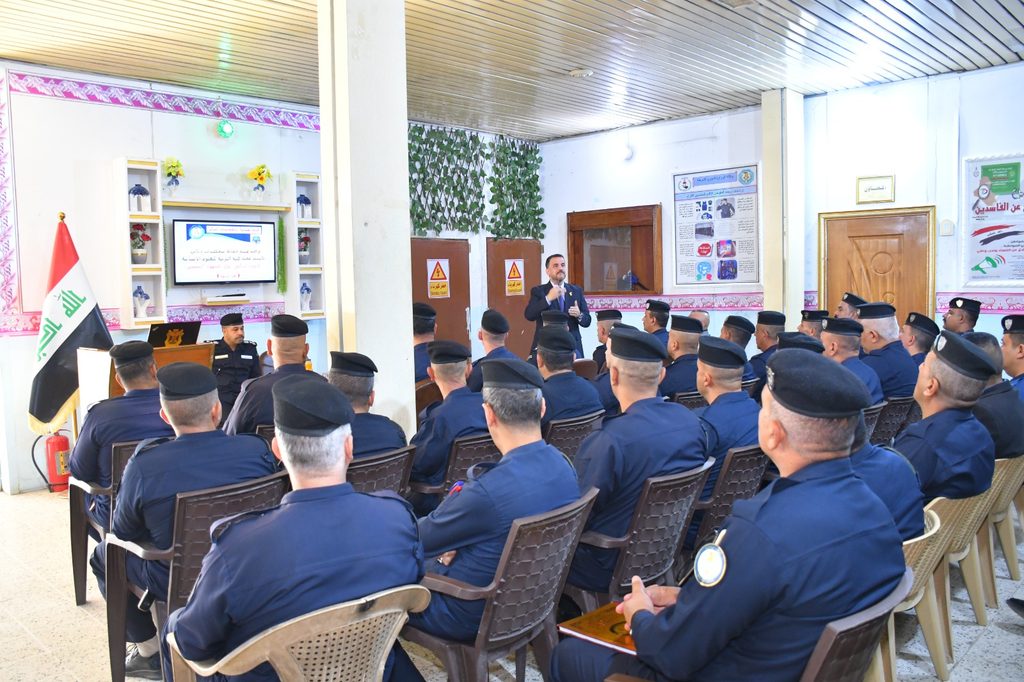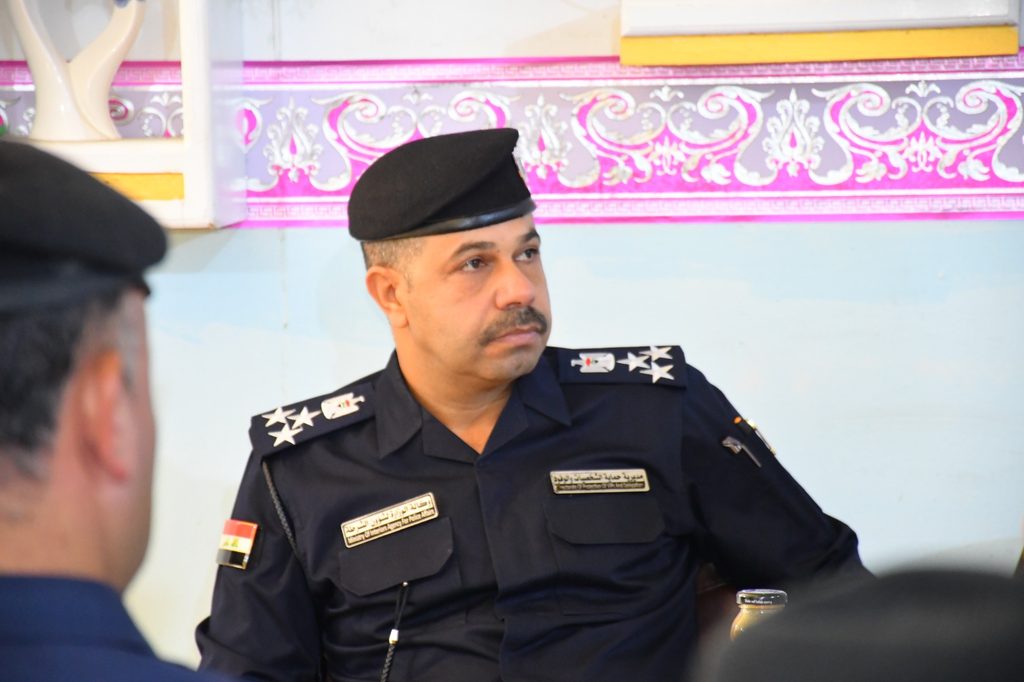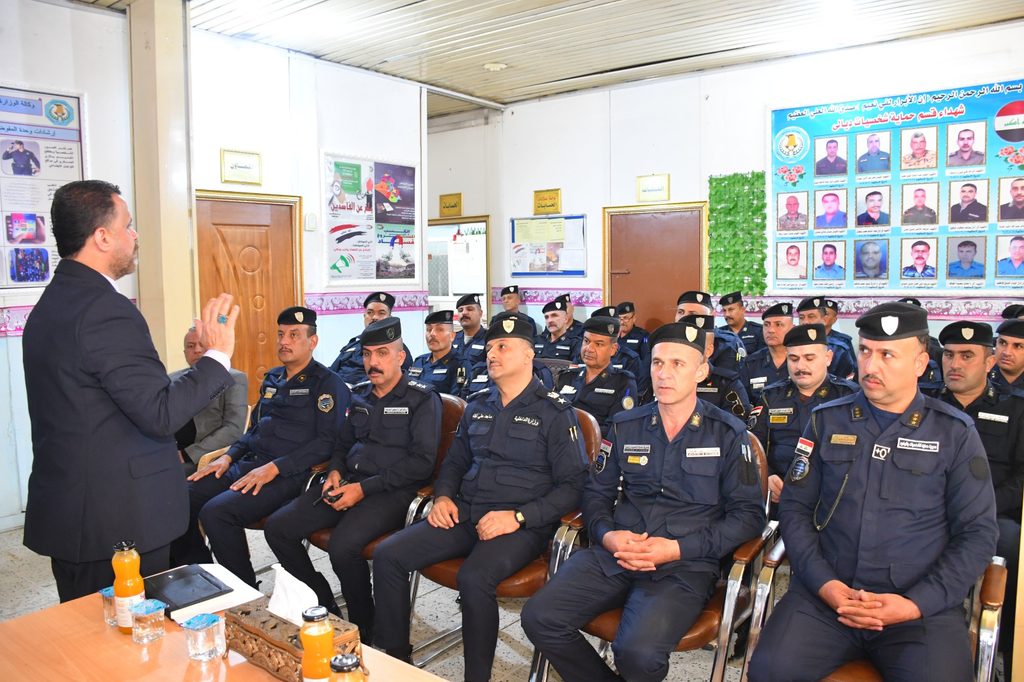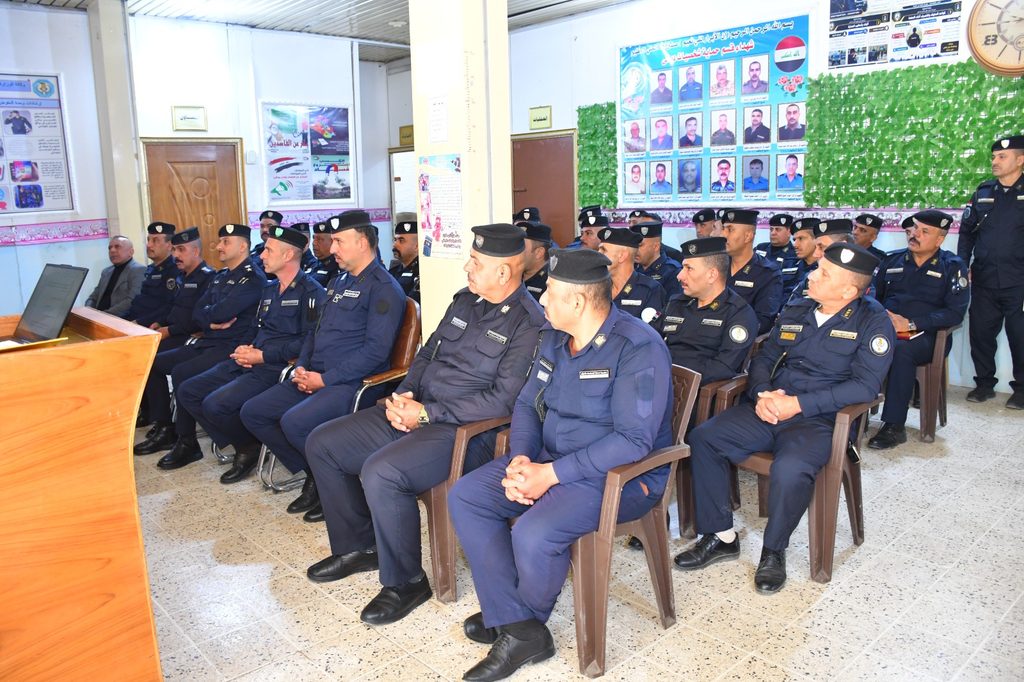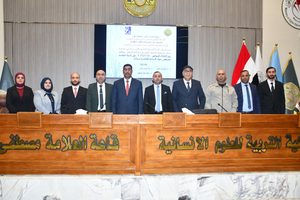
Dean of the College of Education for Humanities Delivers Lecture at an Awareness Workshop on Professional Consciousness and Workplace Excellence for the Personal Protection Directorate
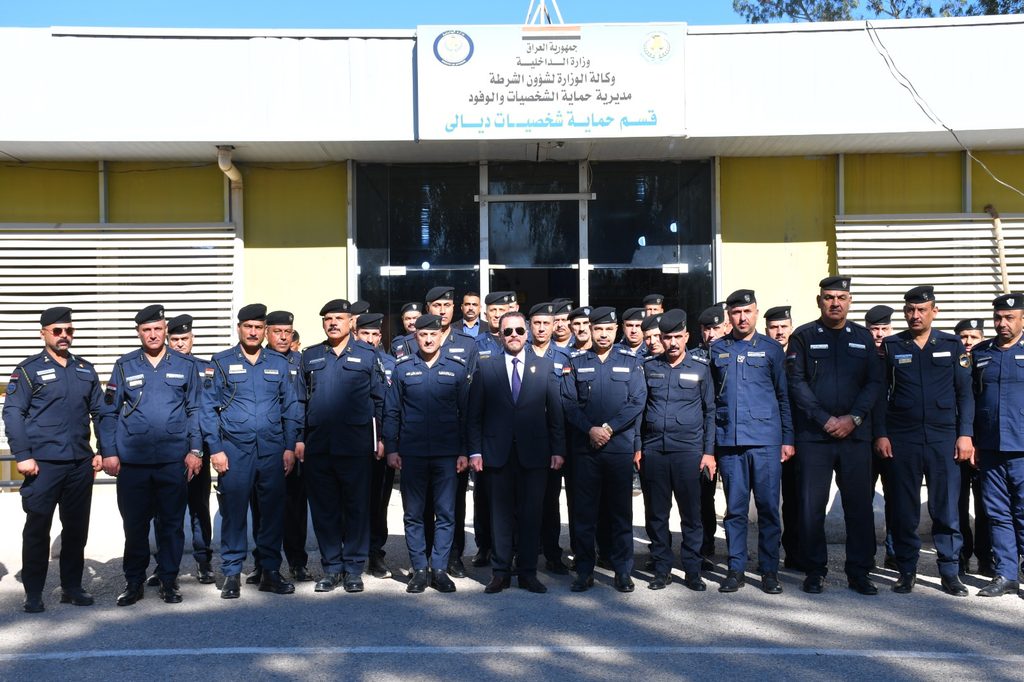
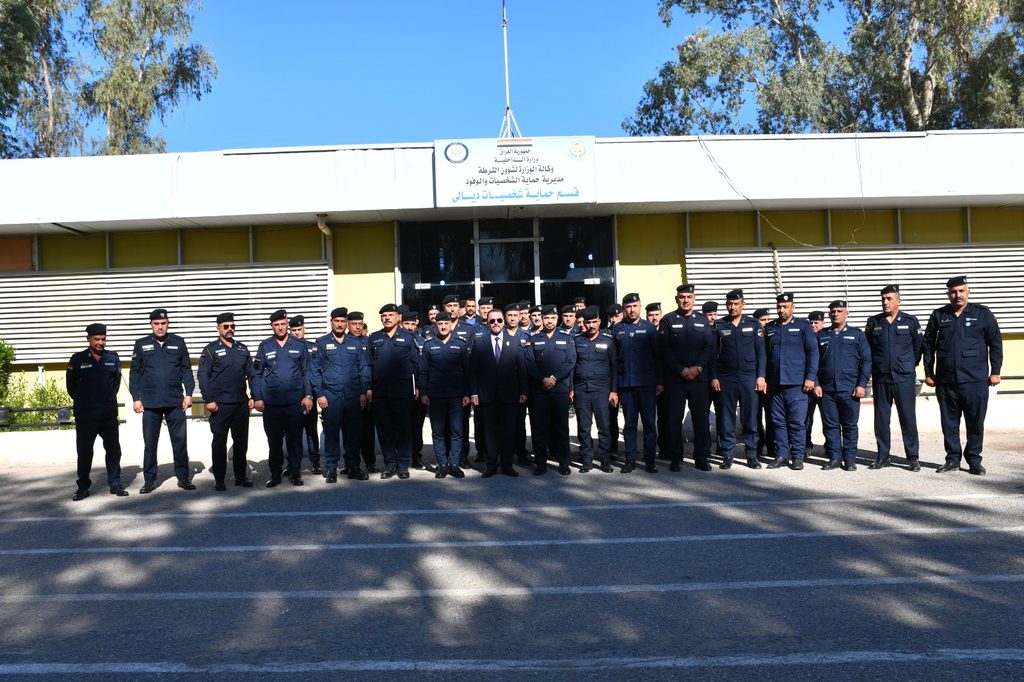
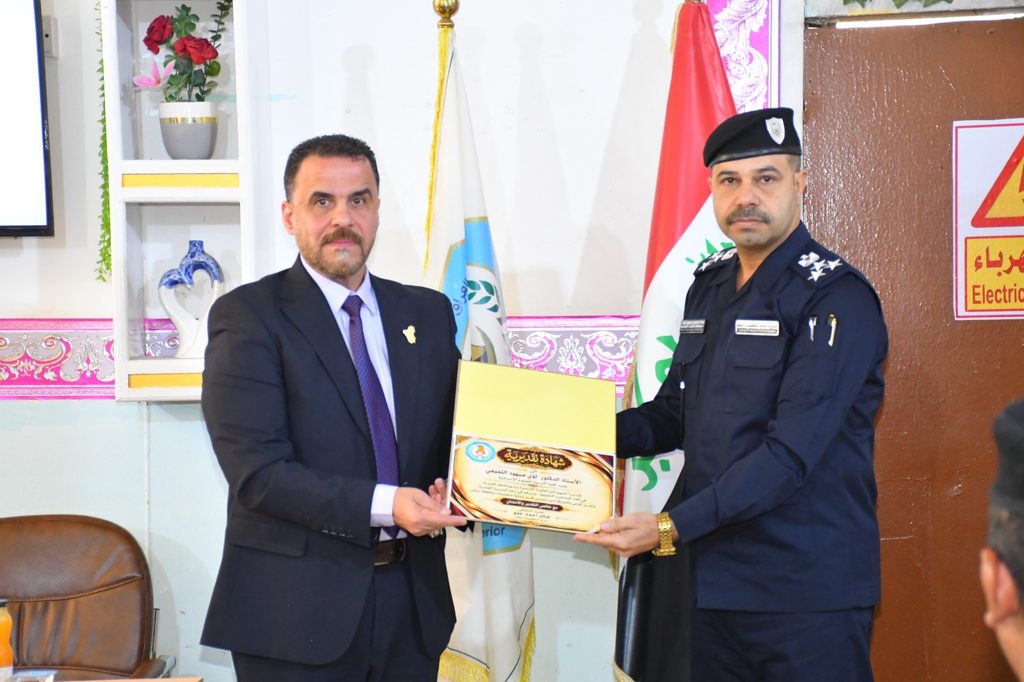
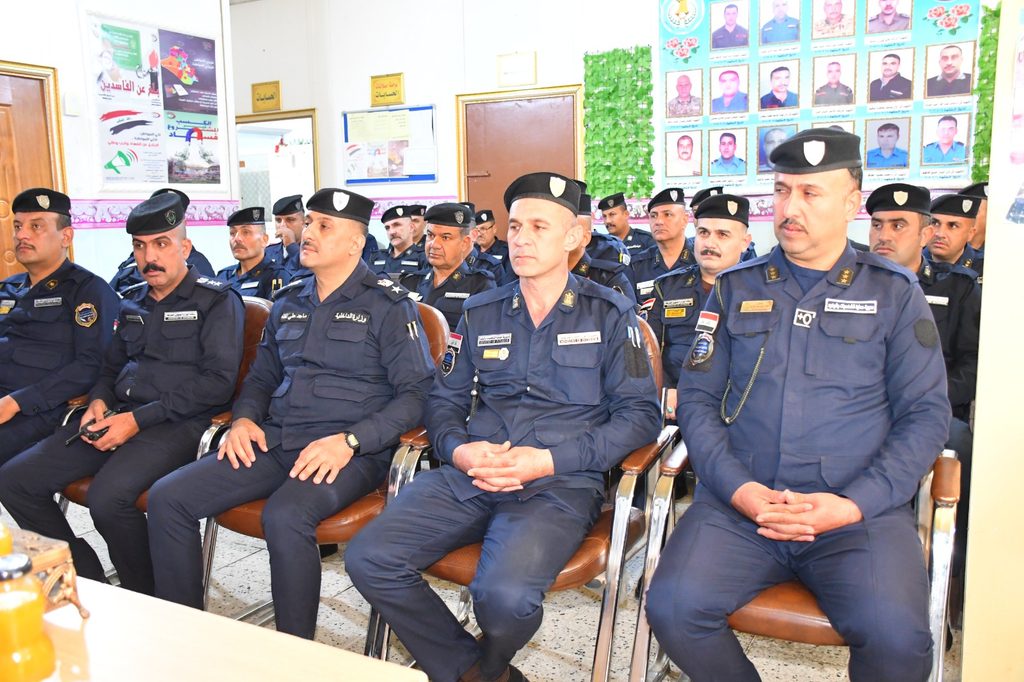
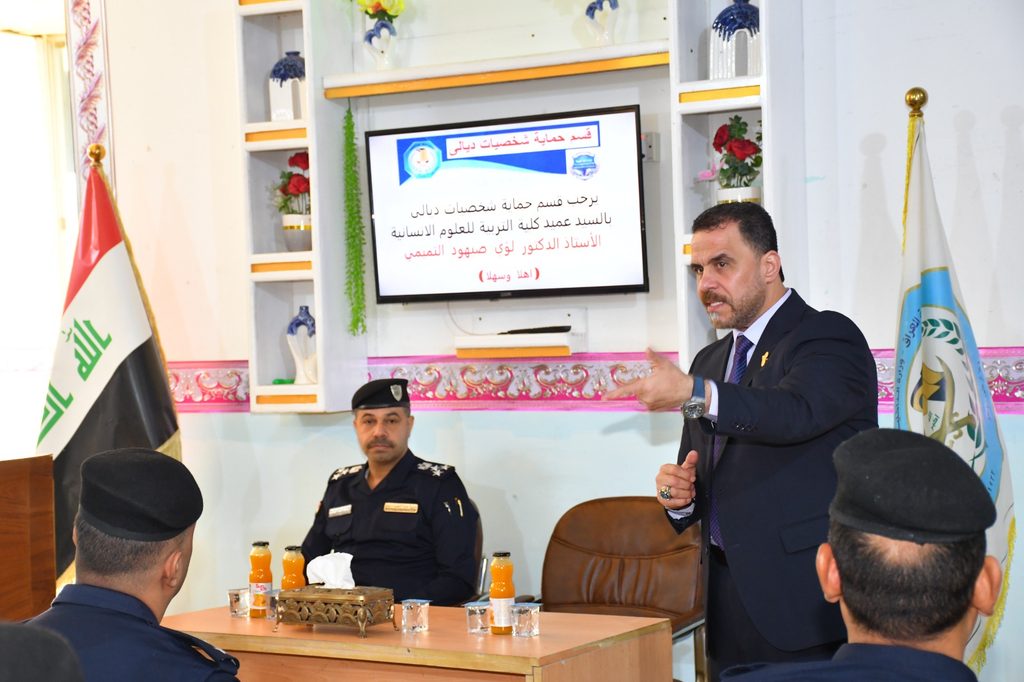
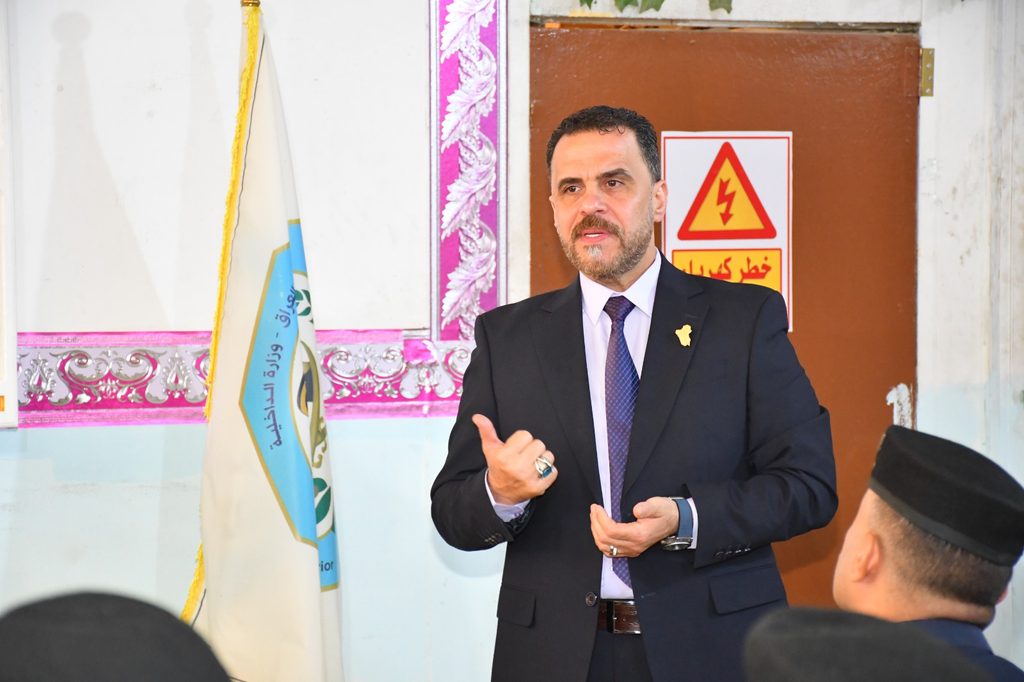
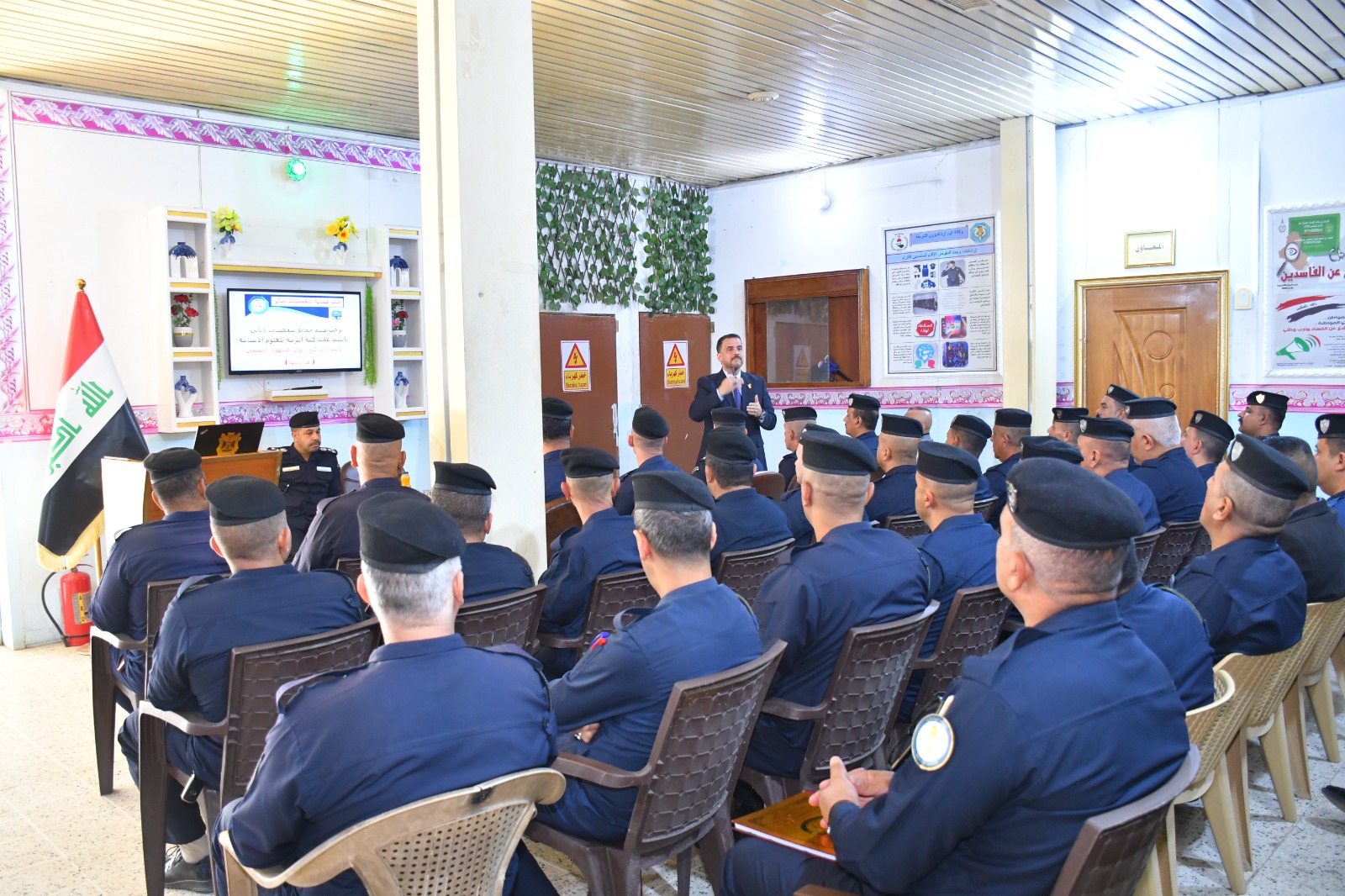
Professor Dr. Luay Sayhoud Al-Tamimi, Dean of the College of Education for Humanities at the University of Diyala, delivered an academic and awareness-raising lecture as part of a workshop organized by the Personal Protection Directorate. Titled “Professional Consciousness and Workplace Excellence: Toward an Effective Institutional Environment and Sustainable Performance,” the workshop was aimed at the Directorate’s personnel and focused on the importance of cultivating professional consciousness and fostering a sense of responsibility in the execution of professional and security-related duties.The Dean explored the concept of professional consciousness and its significance within the security sector. He emphasized that the work of personnel in the Personal Protection Directorate extends beyond the mere execution of assigned tasks; it demands high levels of discipline, vigilance, strict adherence to instructions, the safeguarding of sensitive operational information, and respect for the administrative hierarchy. Furthermore, he highlighted the importance of professional conduct in interactions with others, which serves to reflect the professional image of the institution.The lecture also addressed the pillars of workplace excellence, professional ethics, and institutional responsibility. The Dean underscored the value of integrity, honesty, precision, initiative, and teamwork. Additionally, he stressed the necessity of developing skills for managing psychological pressure and emotional regulation—competencies that contribute to enhanced performance efficiency and sound decision-making across various professional circumstances. The lecture concluded by emphasizing the importance of continuous development, training, and professional qualification, as well as fostering a culture of cooperation, commitment, and responsibility. These elements serve as fundamental pillars for building an effective and sustainable organizational environment—one capable of enhancing performance levels and achieving the institution’s goals.This participation is part of an effort to strengthen cooperation and the exchange of expertise between academic and security institutions, in alignment with the fourth Sustainable Development Goal (Quality Education).