College of Education for Humanities Holds a Scientific Seminar on the Phenomenon of Administrative Corruption and Its Negative Impacts on Society
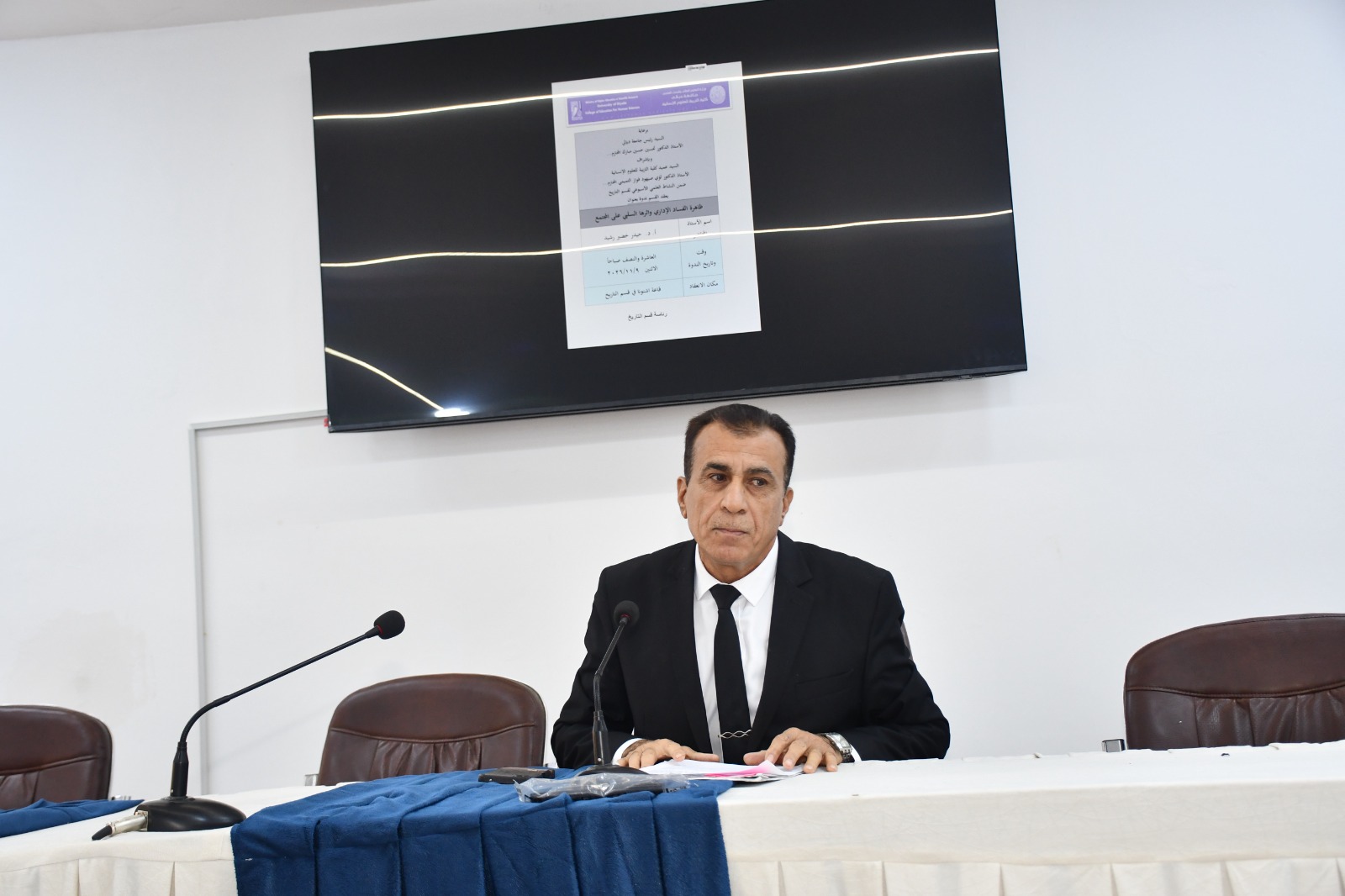
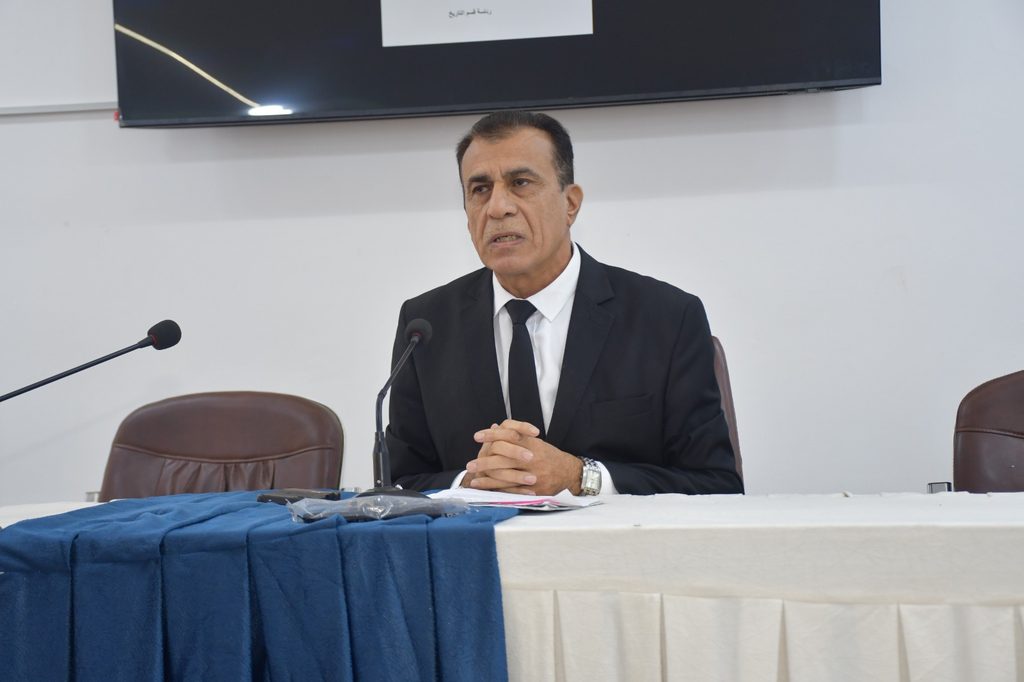
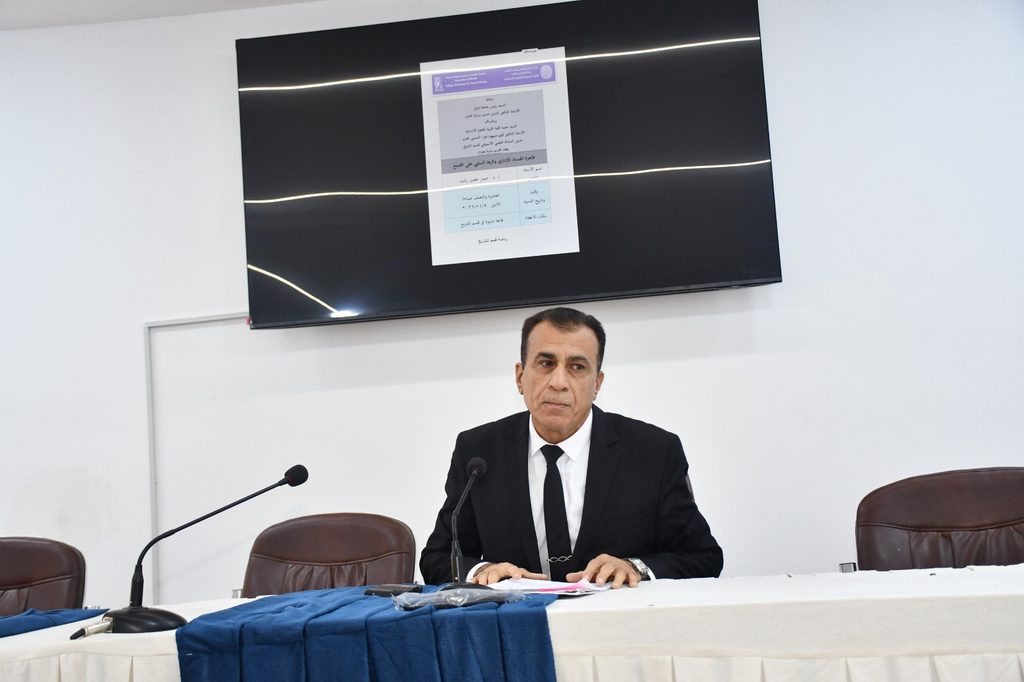
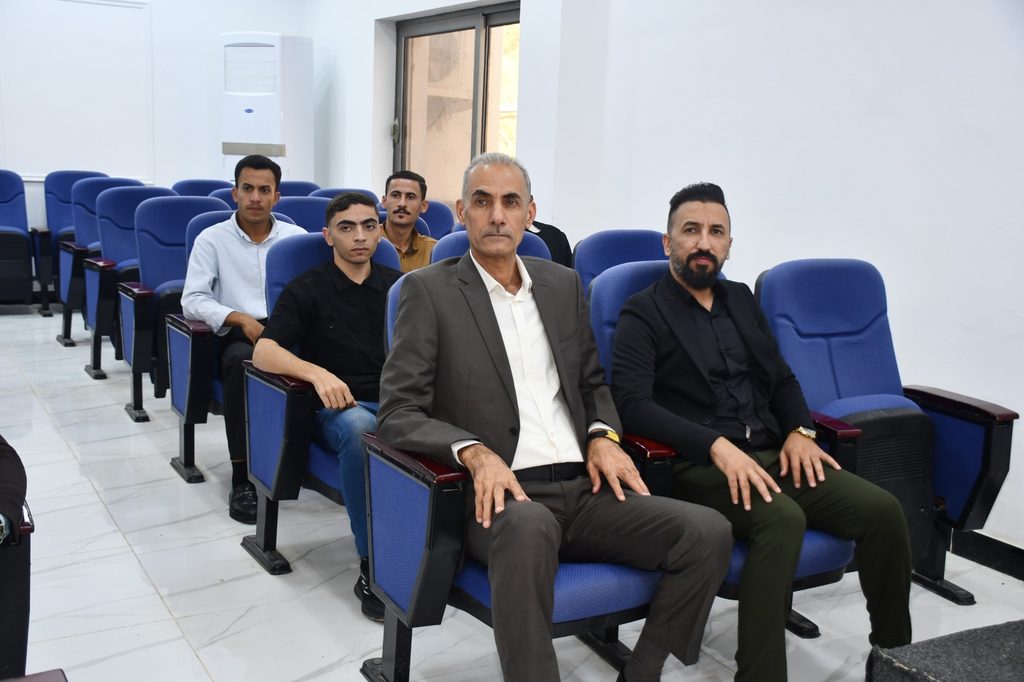
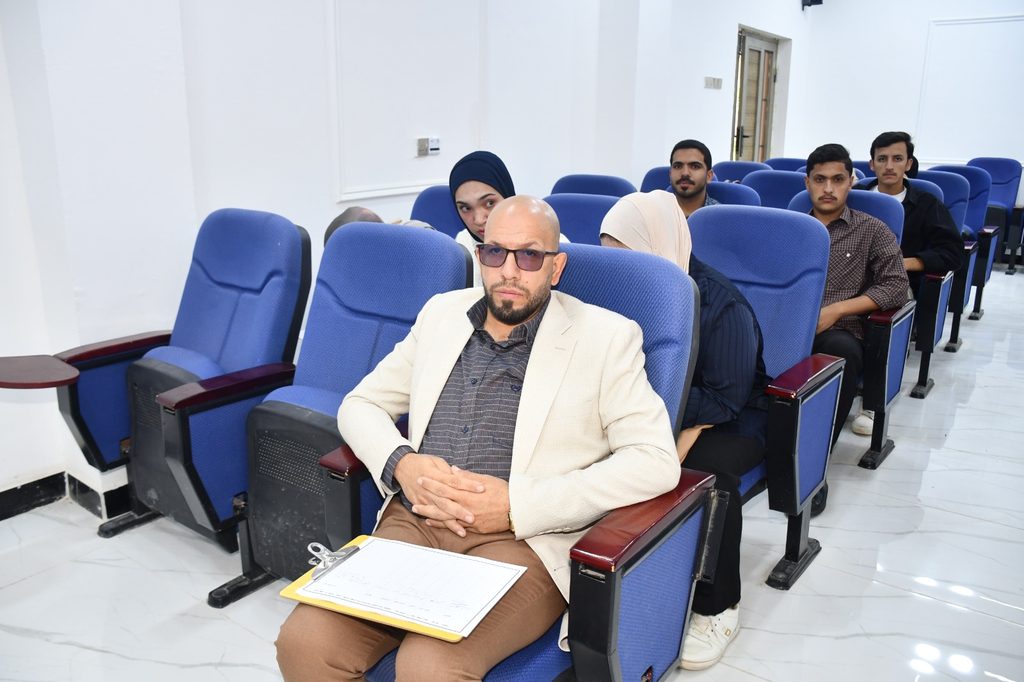
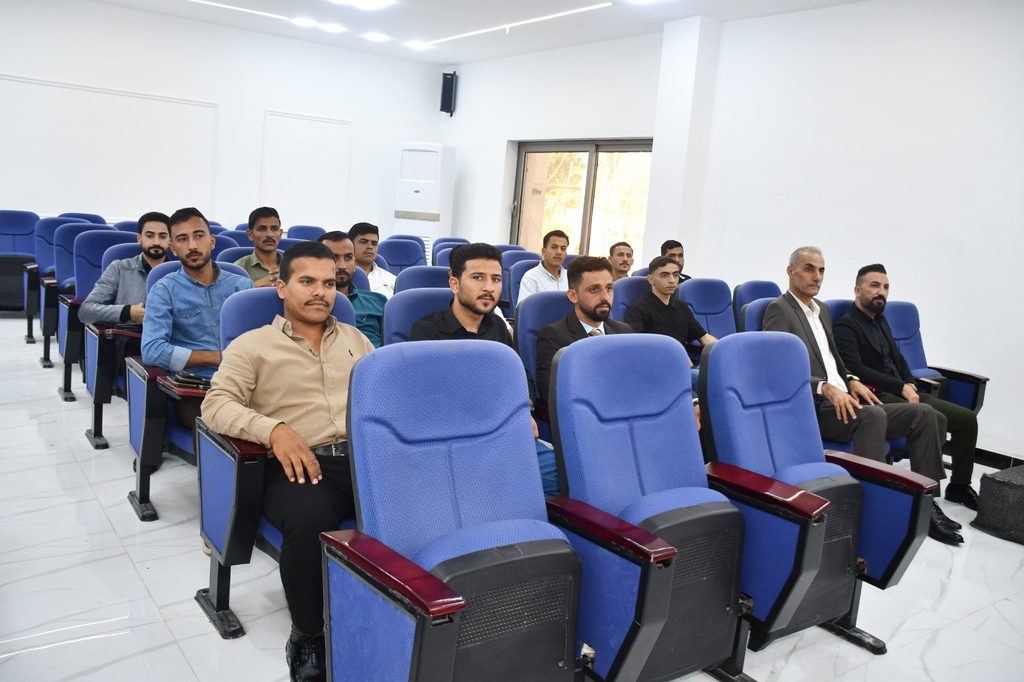
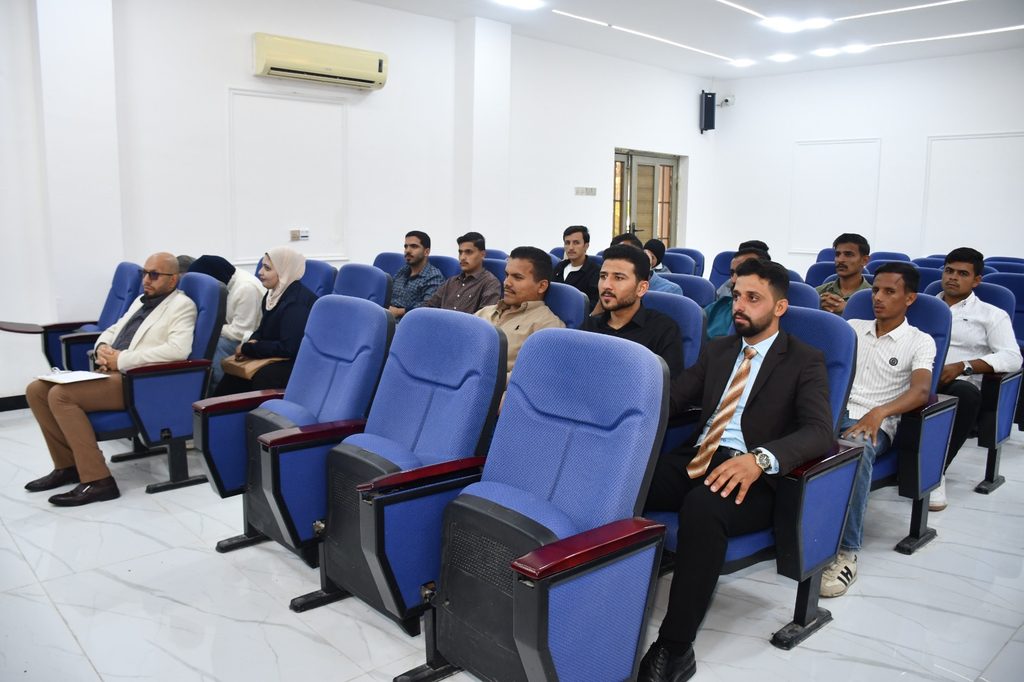
The Department of History at the College of Education for Humanities, University of Diyala, held a scientific seminar titled “The Phenomenon of Administrative Corruption and Its Negative Impact on Society.”The seminar, presented by Professor Dr. Haider Khudair Rashid, aimed to shed light on the phenomenon of administrative corruption—analyzing its causes, manifestations, and destructive effects on society. It addressed corruption as a global issue that varies in prevalence from one society to another, while also examining its repercussions for state institutions and citizens’ rights.The seminar explored the concept of administrative corruption—both linguistically and terminologically—and highlighted its primary manifestations, such as the squandering of public funds, resources, time, and energy; the disruption of essential functions and services; failure to adhere to working hours; and various financial and administrative irregularities. It further categorized the different types of corruption, identified its internal, economic, and political causes, and discussed the resulting negative impacts that affect various aspects of life.The seminar emphasized the importance of adopting professional remedies and effective measures to combat administrative corruption, while promoting integrity, transparency, and accountability. Such efforts are essential for protecting public funds, improving institutional performance, and serving society.This seminar aligns with the sixteenth Sustainable Development Goal (Peace, Justice, and Strong Institutions) by fostering a culture of integrity and transparency, combating corruption, and strengthening institutions that are effective and accountable.

You may also like

Forth new temporary news