Calling for Innovative Scientific Solutions to Address Escalating Drought ChallengesCollege of Education for Humanities Holds a Scientific Seminar on Using Artificial Intelligence to Mitigate Drought
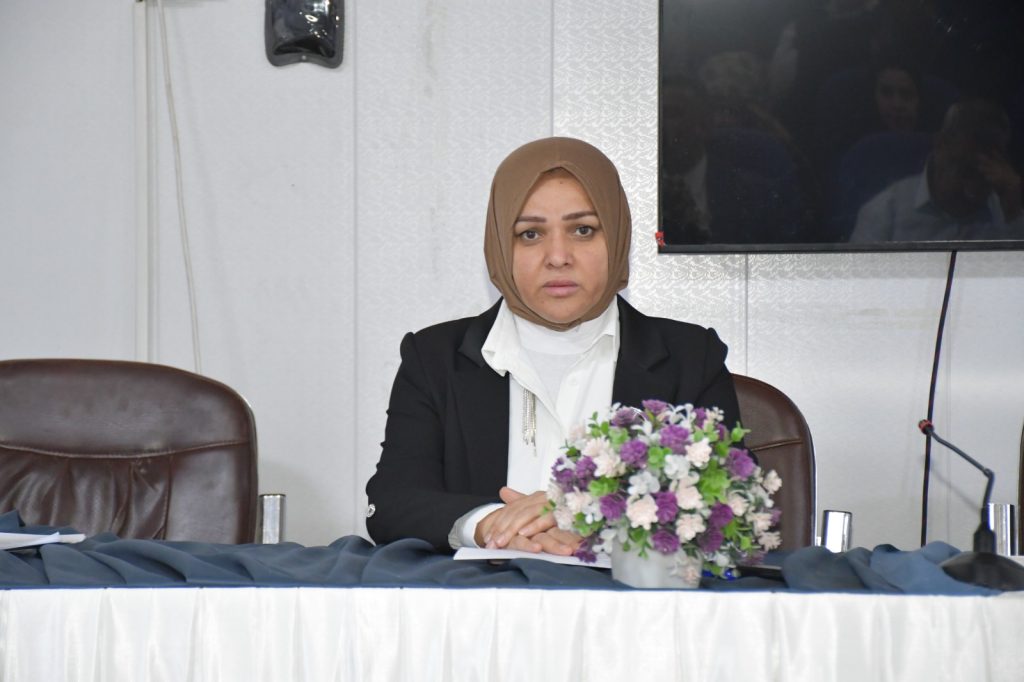
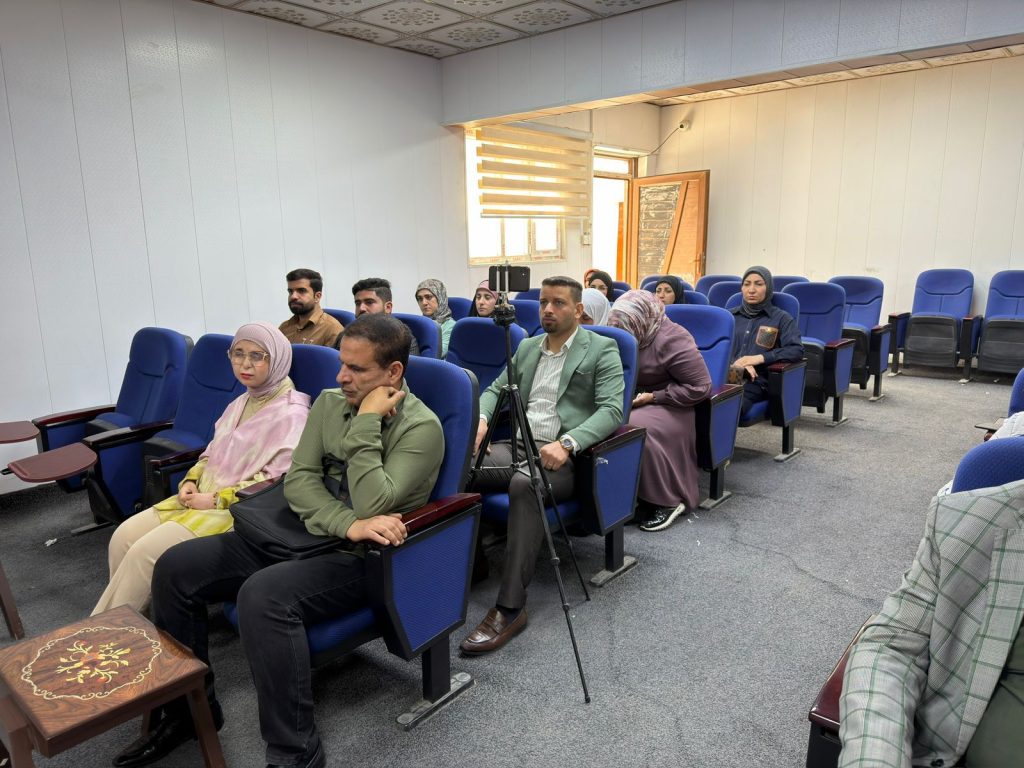
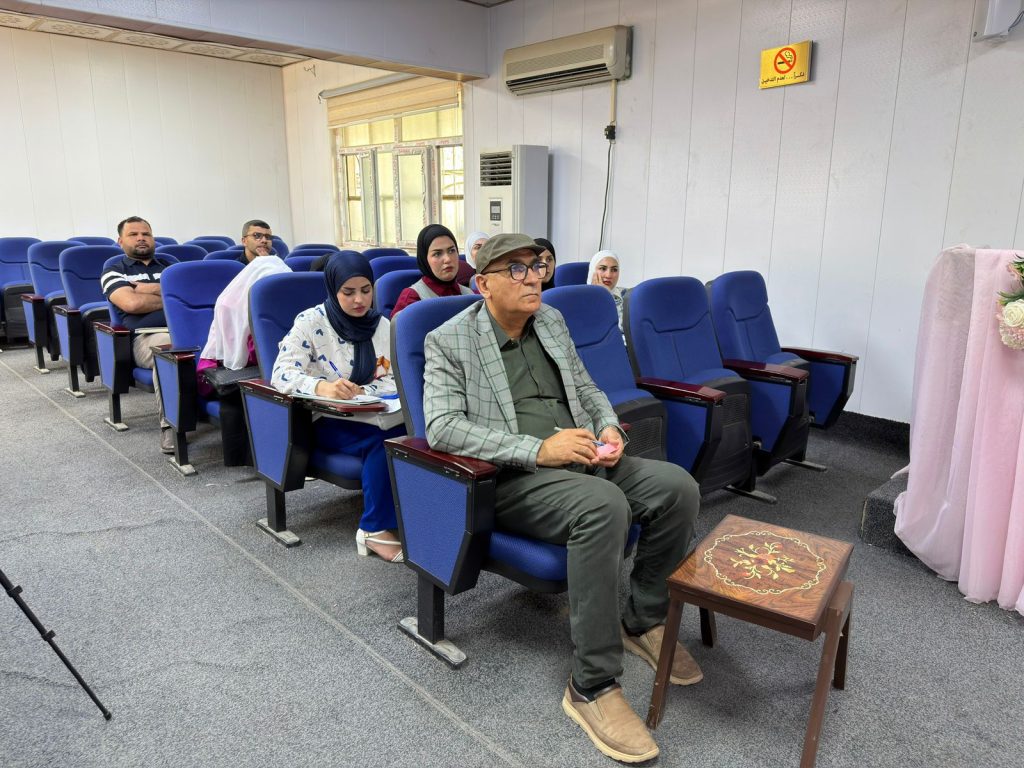
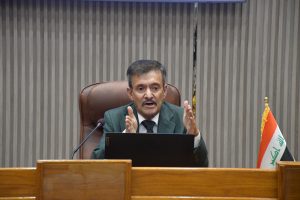
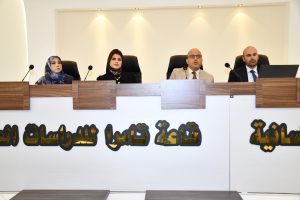
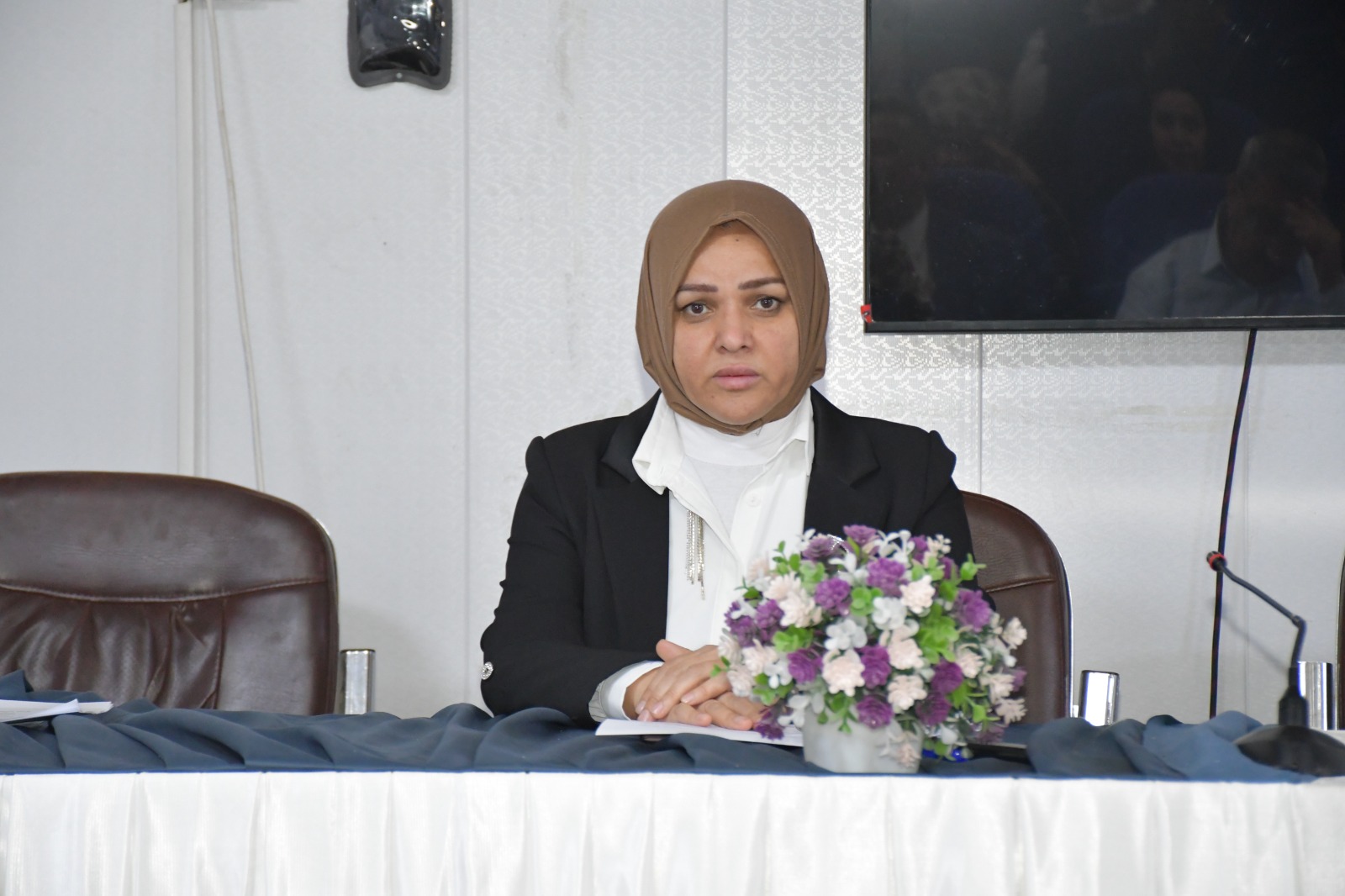
The Geography Department at the College of Education for Humanities, University of Diyala, held a scientific seminar entitled “Using Artificial Intelligence to Mitigate Drought.” The seminar, presented by Assistant Professor Dr. Suhad Shalash Khalaf, was attended by a number of faculty members and researchers. This event is part of the college’s efforts to keep pace with scientific advancements and address contemporary environmental issues.The seminar addressed drought as one of the most prominent challenges affecting water resources and agricultural production, especially in arid and semi-arid regions. It explained that climate change and poor water resource management have contributed to exacerbating this crisis, necessitating the adoption of modern scientific methods to mitigate its effects.The seminar also reviewed the role of artificial intelligence in analyzing climate data and predicting droughts before they occur. It further highlighted the importance of Geographic Information Systems (GIS) in analyzing spatial data, as well as the Google Earth Engine (GEE) platform, which enables the processing of satellite imagery and continuous monitoring of environmental changes. The symposium concluded that the integration of these technologies contributes to enhancing the efficiency of water resource management and making decisions based on accurate data, stressing the need to adopt these modern tools, train personnel on them, and enhance scientific cooperation to confront the challenges of drought, in line with the Sustainable Development Goals, especially Goal 6 (Clean Water) and Goal 13 (Climate Action).