College of Education for Humanities Holds a Scientific Seminar on “Fatima al-Zahra (peace be upon her) in Abbasid Poetry: The Image of the Oppressed Woman”
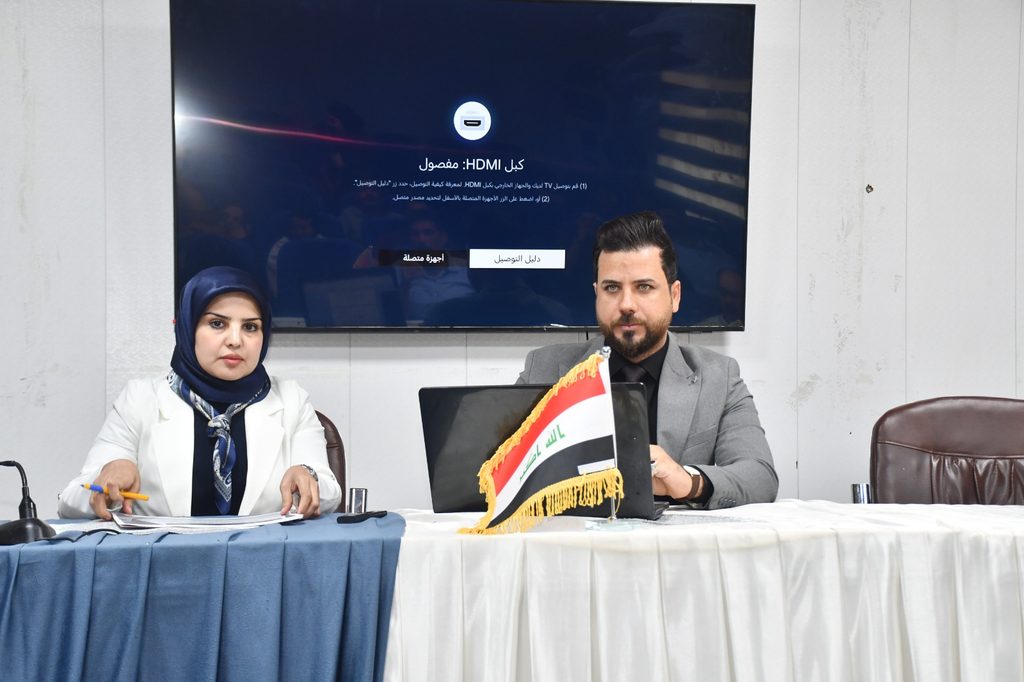
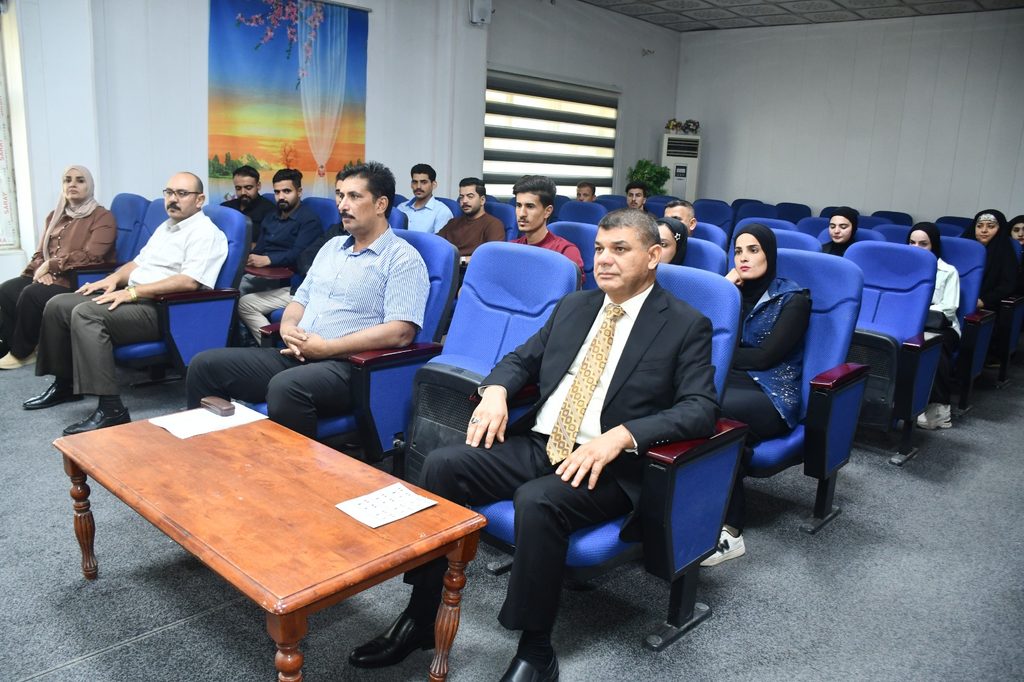
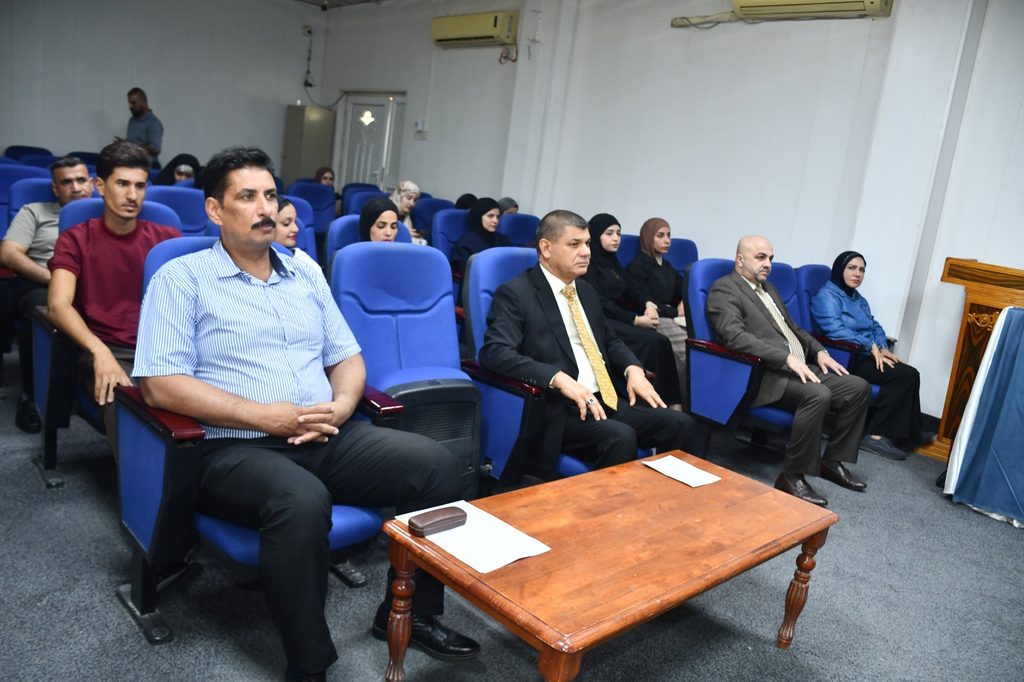
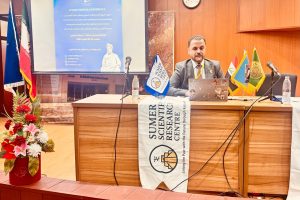
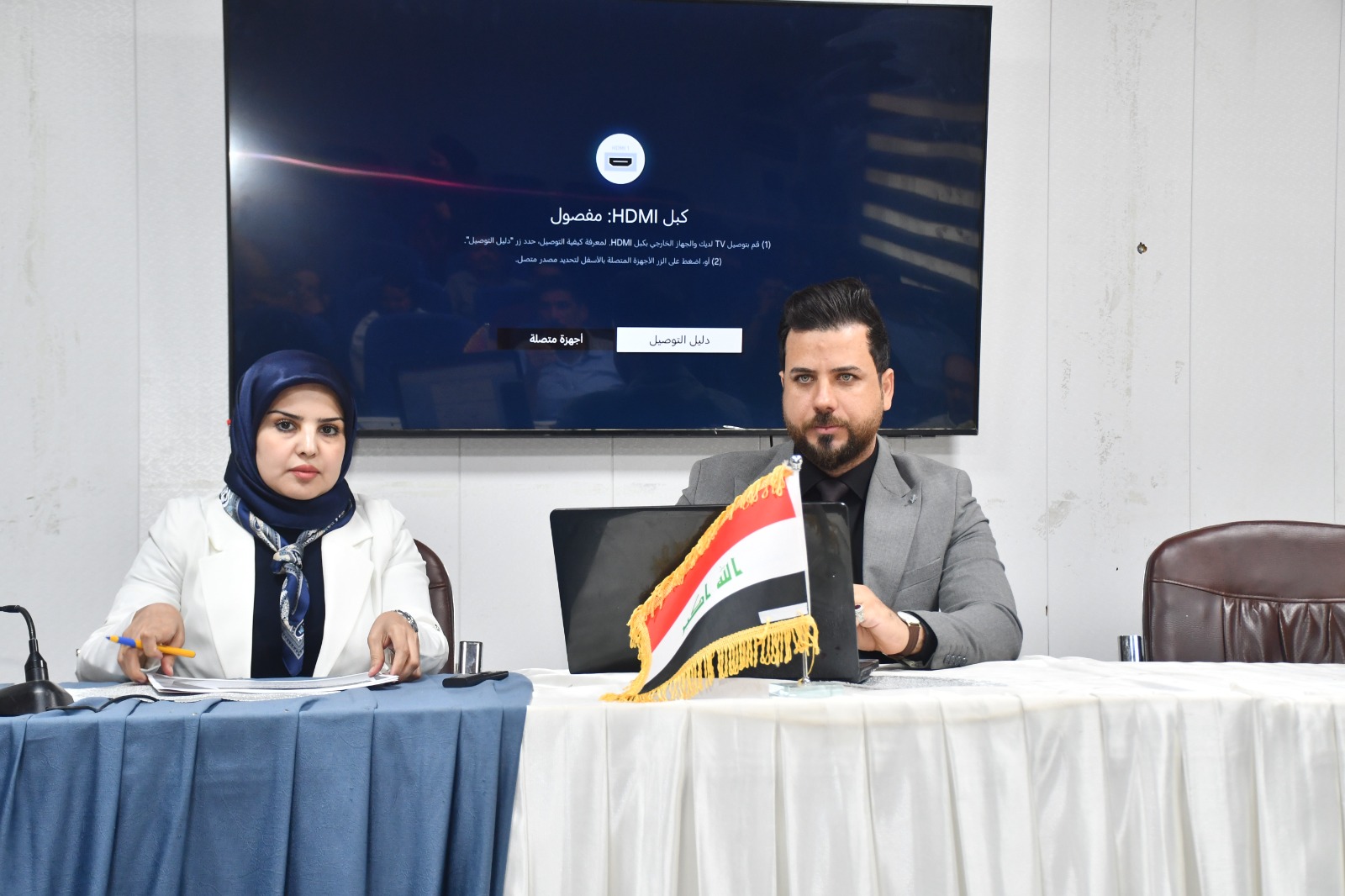
The Department of Geography, in collaboration with the Women’s Affairs Unit at the College of Education for Humanities, University of Diyala, held a scientific seminar titled “Fatima al-Zahra (peace be upon her) in Abbasid Poetry: The Image of the Oppressed Woman.”The seminar, presented by Assistant Lecturer Hussein Kanaan Ghaib, aimed to explore the literary, intellectual, and humanitarian dimensions of the image of the “oppressed woman” within Abbasid poetry. It examined the role of poetry in preserving historical memory and addressing issues of justice and equity, while also fostering cultural and literary awareness among students and researchers. Furthermore, the seminar addressed the presence of Lady Fatima al-Zahra (peace be upon her) in Abbasid poetry—highlighting her role as a symbol of both oppression and the deprivation of rights—and underscored her status as a pivotal figure in the religious and literary consciousness.The seminar shed light on the shifts that occurred in Abbasid poetry regarding the representation of the *Ahl al-Bayt* (the family of the Prophet, peace be upon them)—specifically the figure of Lady al-Zahra (peace be upon her). Her presence in this poetry transcended the boundaries of traditional elegiac verse (*rithā’*), evolving into a symbol of protest against injustice and a defense of truth. The discussion also highlighted the theological and humanitarian significance she holds within the collective poetic memory. The seminar also presented poetic examples from some of the most prominent poets of the Abbasid era—including al-Sayyid al-Himyari, Di’bil al-Khuza’i, and al-Sharif al-Murtada—illustrating how they addressed the grievances and injustices suffered by Lady al-Zahra (peace be upon her). It explored their use of diverse poetic techniques—ranging from allusion and symbolism to direct address and dramatic scenes—to depict themes of oppression, persecution, and the concealment of her grave.This seminar aligns with the Sustainable Development Goals, specifically Goal 5: Gender Equality, by highlighting issues concerning women, rejecting injustice and oppression, and promoting the values of justice and fairness.