
The College of Education for Humanities Discusses the Environmental Impact Assessment of Private Generators in Baqubah City: Al-Yarmouk First Neighborhood as a Case Study
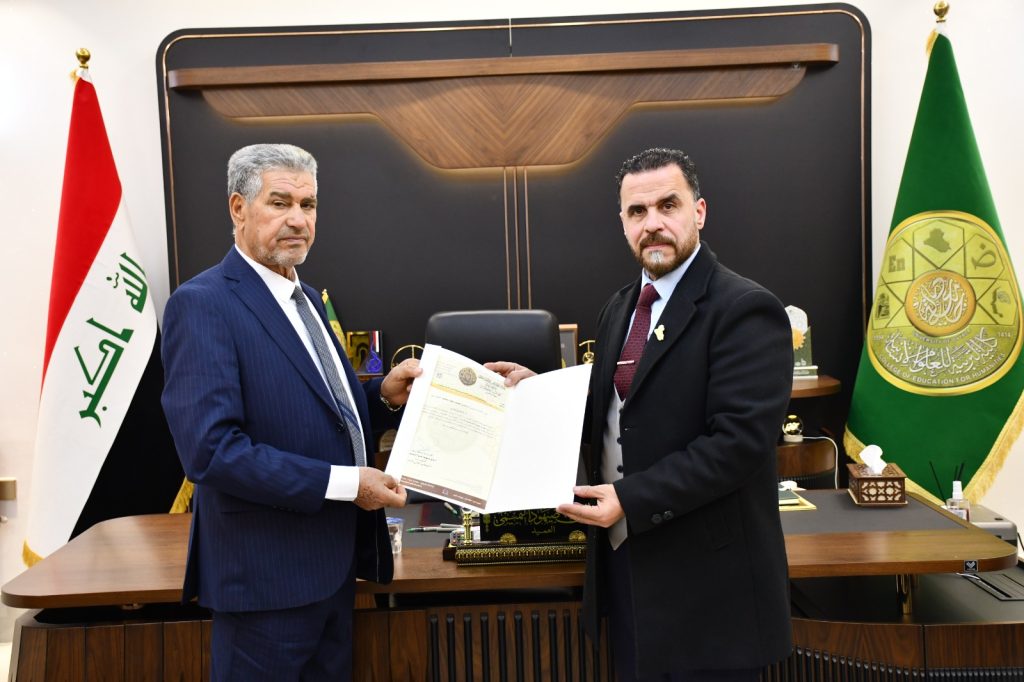
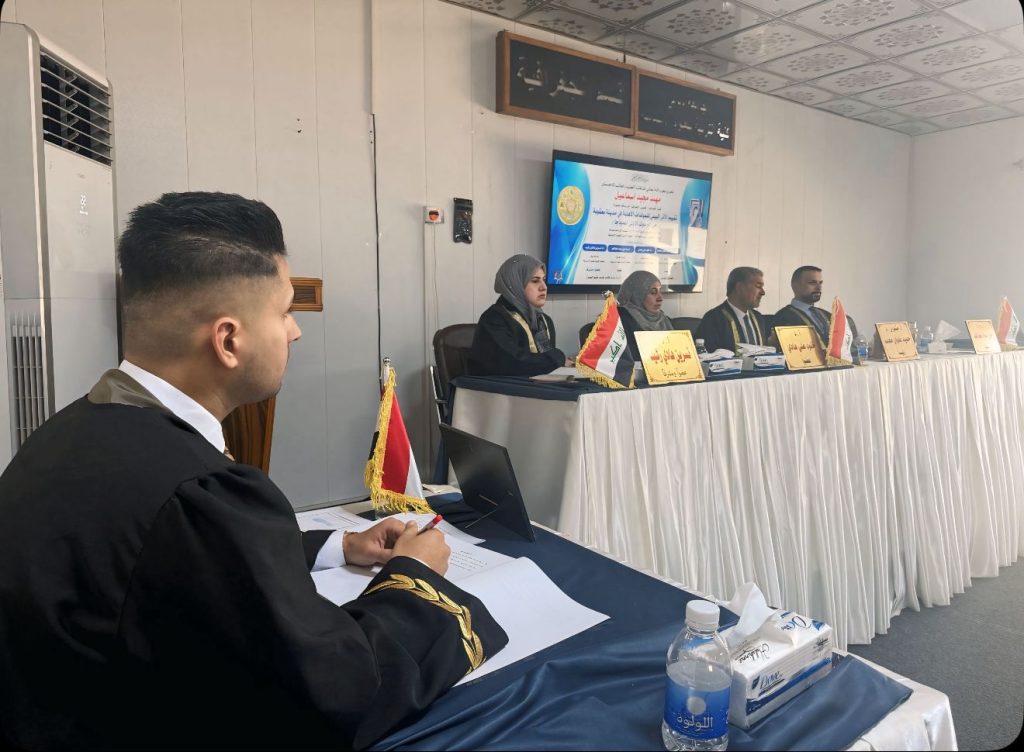
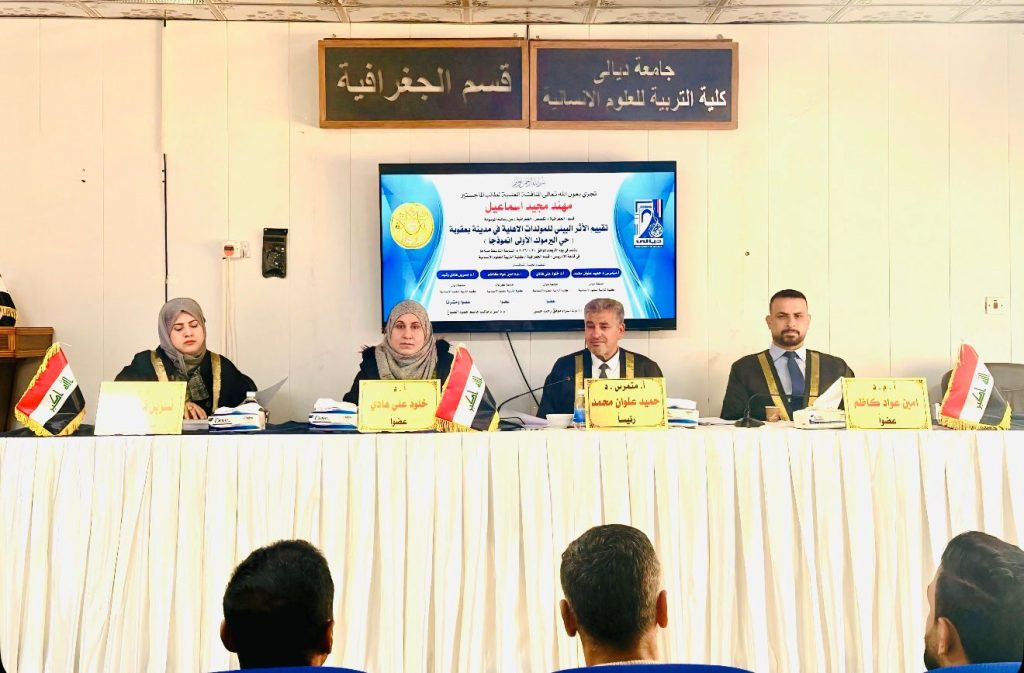
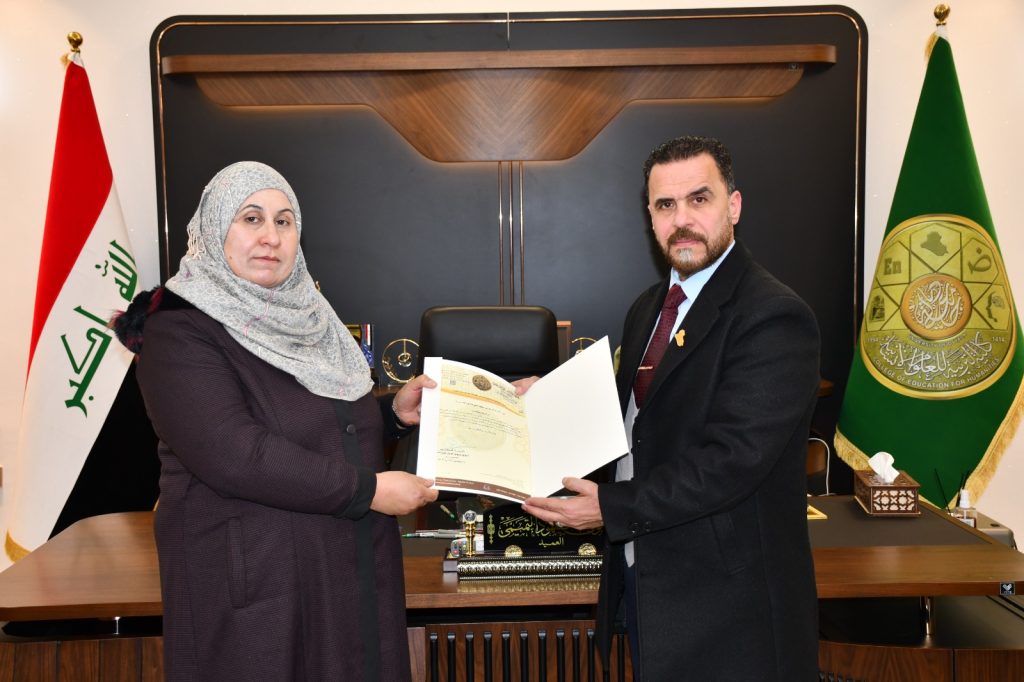
The College of Education for Humanities Discusses the Environmental Impact Assessment of Private Generators in Baqubah City: Al-Yarmouk First Neighborhood as a Case StudyCollege Media OfficeThe College of Education for Humanities at the University of Diyala discussed a master’s thesis in Geography entitled “Environmental Impact Assessment of Private Generators in Baqubah City: Al-Yarmouk First Neighborhood as a Case Study.”The study was presented by the student Muhannad Majid Ismail and supervised by Prof. Dr. Nasreen Hadi Rasheed. It aimed to assess the environmental impact of private electricity generators in Baqubah City, taking the Al-Yarmouk First neighborhood as a representative model. The study focused on identifying the main environmental problems resulting from these generators by measuring exhaust gases as a source of air pollution and assessing noise levels at generator sites during the summer and winter seasons. The recorded noise levels exceeded the international standard set by the World Health Organization (WHO), which is 80 dB.The findings revealed spatial variation from one location to another and temporal variation across seasons during field monitoring of pollutants emitted by private generators in the study area. Temperature was identified as a key climatic factor influencing the increase in pollutants, particularly during the summer season. The study also found a direct relationship between population size and the number of private generators, as population growth leads to higher energy demand, an increase in generator numbers, and greater pollutant emissions. In addition, carbon dioxide (CO₂) recorded its highest concentration in the air during the summer season at several monitoring sites.The study recommended improving generator performance by adopting modern, high-efficiency generators to reduce fuel consumption and harmful emissions. It also emphasized increasing regular maintenance to ensure operational efficiency, equipping generators with effective filters to purify exhaust gases, and improving fuel management strategies through governmental or community support for generator owners. Further recommendations included strengthening regulatory oversight to ensure compliance with environmental and public health standards, raising community awareness through campaigns that promote reducing reliance on conventional generators and supporting clean energy alternatives, and preventing improper disposal of used oils that cause serious soil damage and visual pollution.This study aligns with the Sustainable Development Goals, particularly Goal 7: Affordable and Clean Energy and Goal 11: Sustainable Cities and Communities.