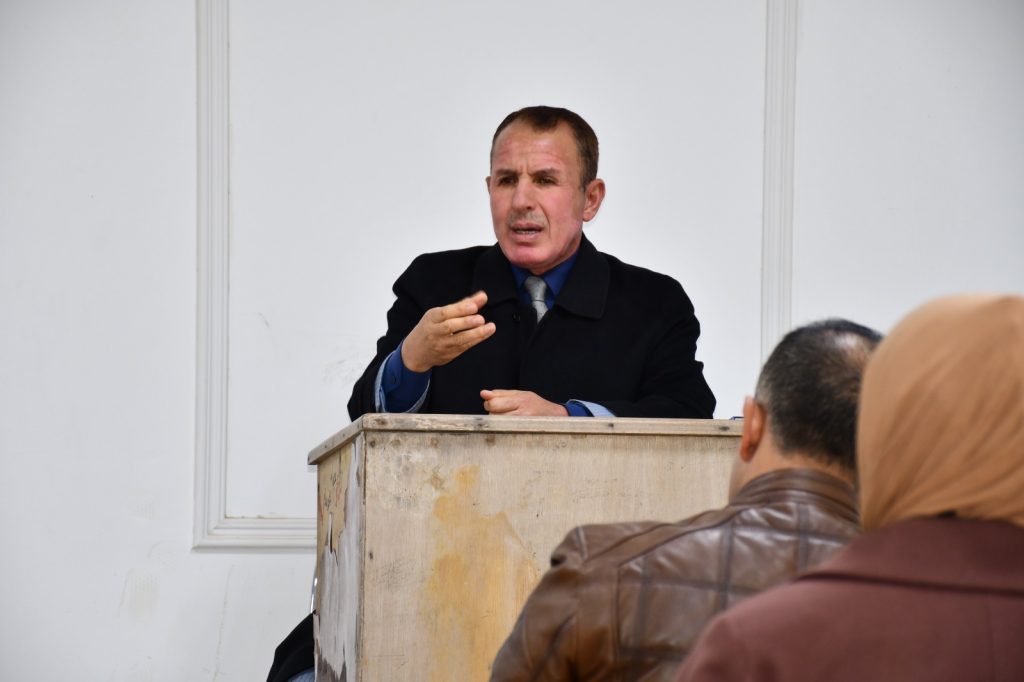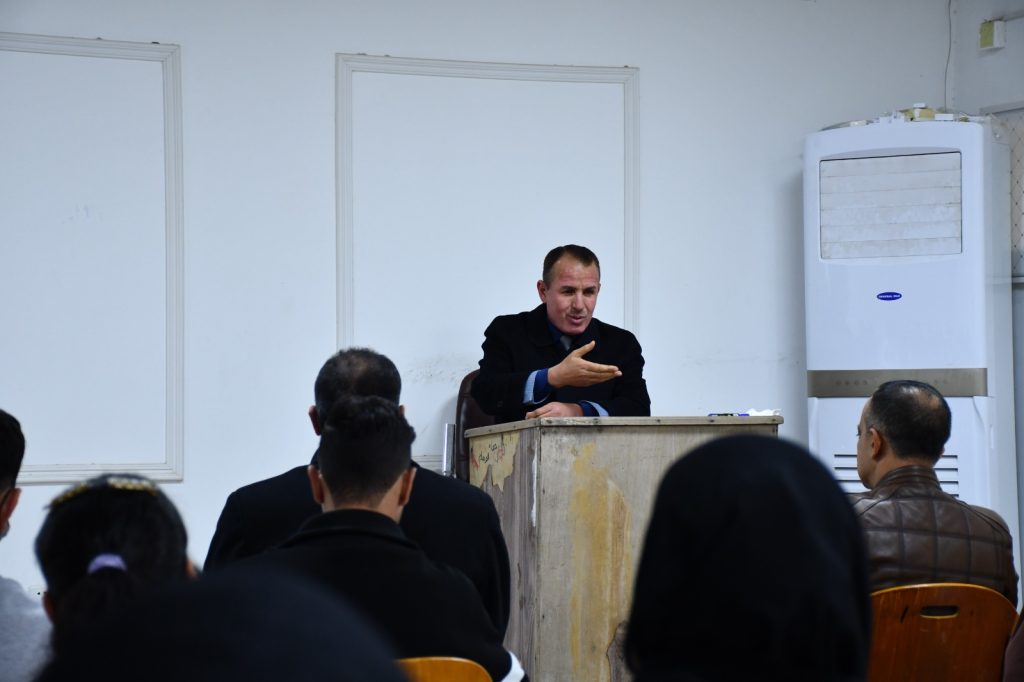
Under the patronage of the University President and the supervision of the Dean of the College The College of Education for Humanities Holds a Scientific Seminar on the Impact of the Holy Quran on Individual Character Development
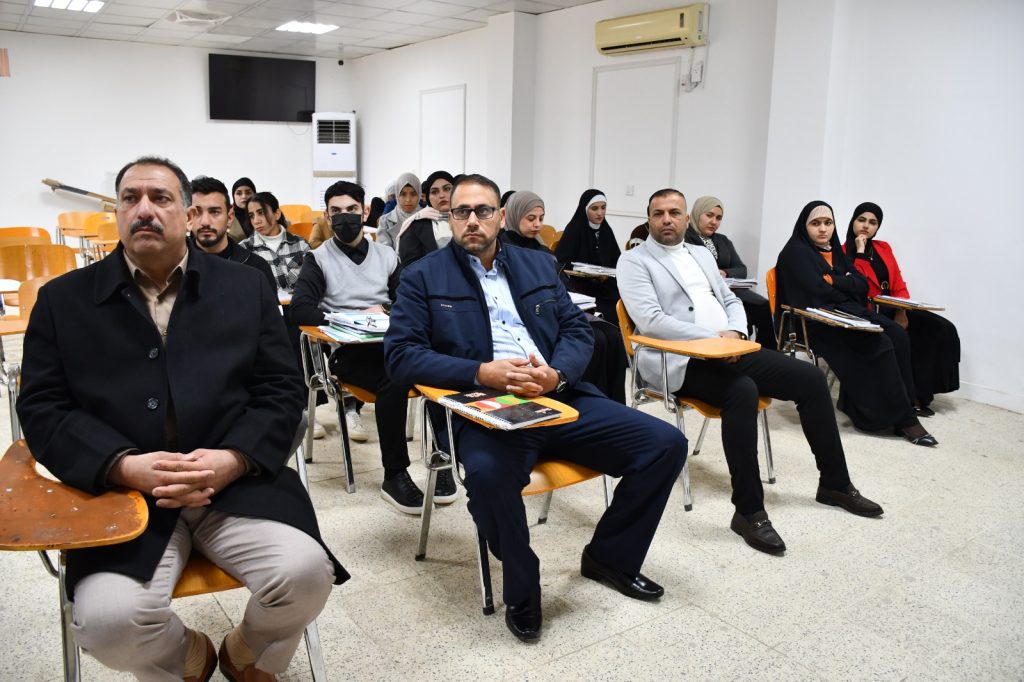
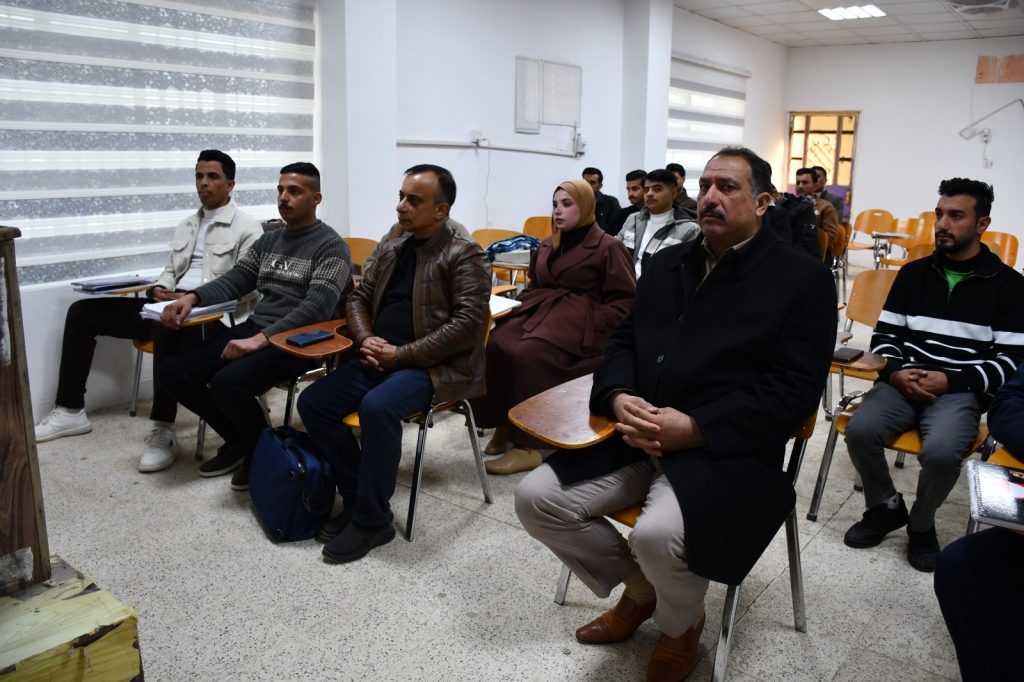
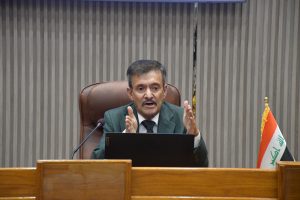
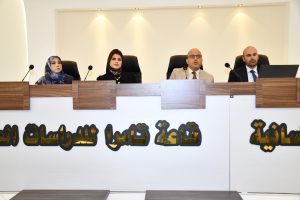
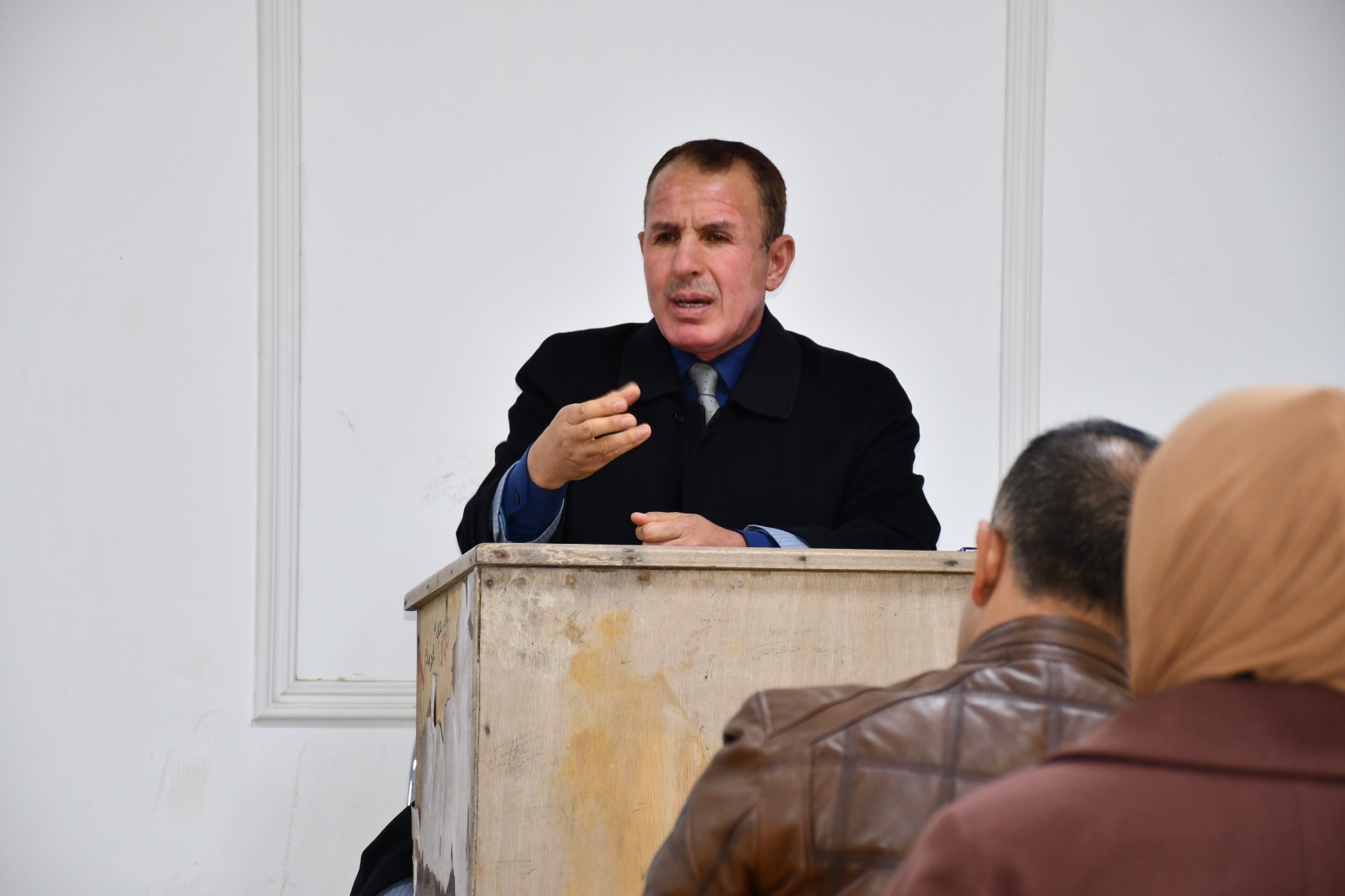
Under the patronage of the President of Diyala University, Professor Dr. Tahseen Hussein Mubarak, and the supervision of the Dean of the College of Education for Humanities, Professor Dr. Luay Sayhood Al-Tamimi, and in accordance with the directives of the Ministry of Higher Education and Scientific Research, the Media and Government Communication Division, in cooperation with the Student Activities Division and the Department of History at our college, held a scientific seminar on the occasion of the National Day of the Holy Quran. The seminar, entitled “The Impact of the Holy Quran on Building the Individual’s Character,” was presented by Professor Dr. Ahmed Matar Khudair, with the participation of a number of faculty members and students.The seminar addressed the role of the Holy Quran in refining individual behavior and building character on solid moral and humanistic foundations. It highlighted the impact of Quranic values in enhancing intellectual and social awareness, and their role in achieving psychological and behavioral balance for the individual within society. The presenter also reviewed examples of countries that have advanced their civilizational and scientific standing by adopting values and principles derived from the Holy Quran. He pointed out that adherence to the Quranic methodology has contributed to achieving remarkable scientific and practical development in many societies, and has helped them build systems based on justice, work, and innovation.The symposium concluded with a number of recommendations, most notably: stressing the need to integrate Qur’anic values into educational curricula, encouraging the holding of seminars and scientific research that promote awareness of the importance of the Holy Qur’an in building the individual and society, in addition to urging students to draw inspiration from Qur’anic principles in their academic and practical journey, in a way that contributes to achieving the Sustainable Development Goals, especially the goal related to promoting quality education and building a conscious human being