College of Education for Humanities Holds Scientific Seminar on Silent Addiction (Electronic Drugs) and its Impact on Youth
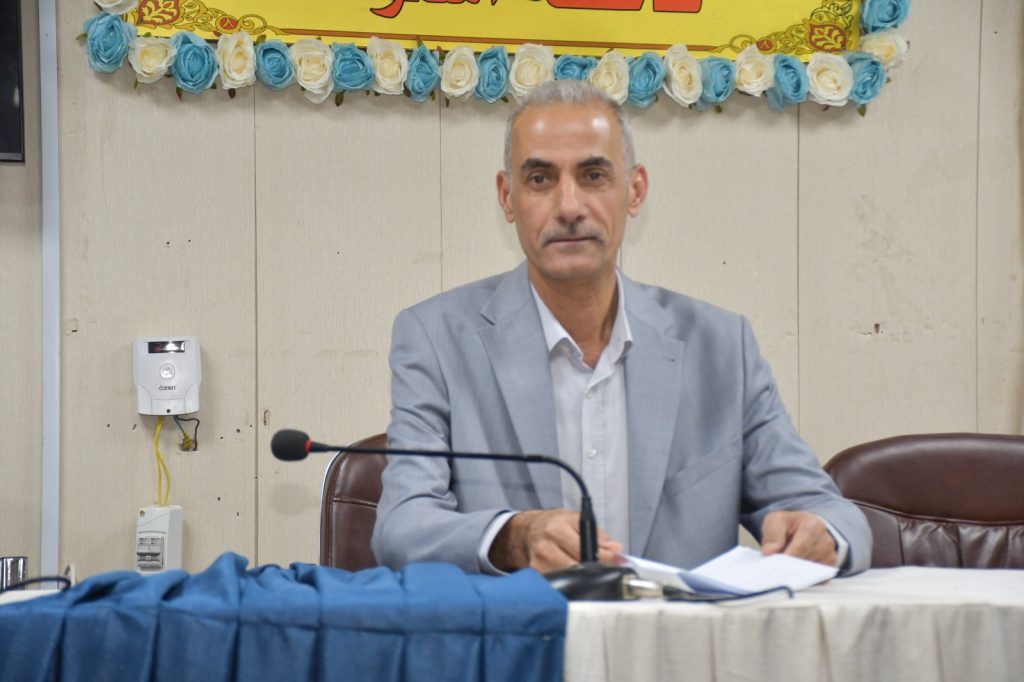
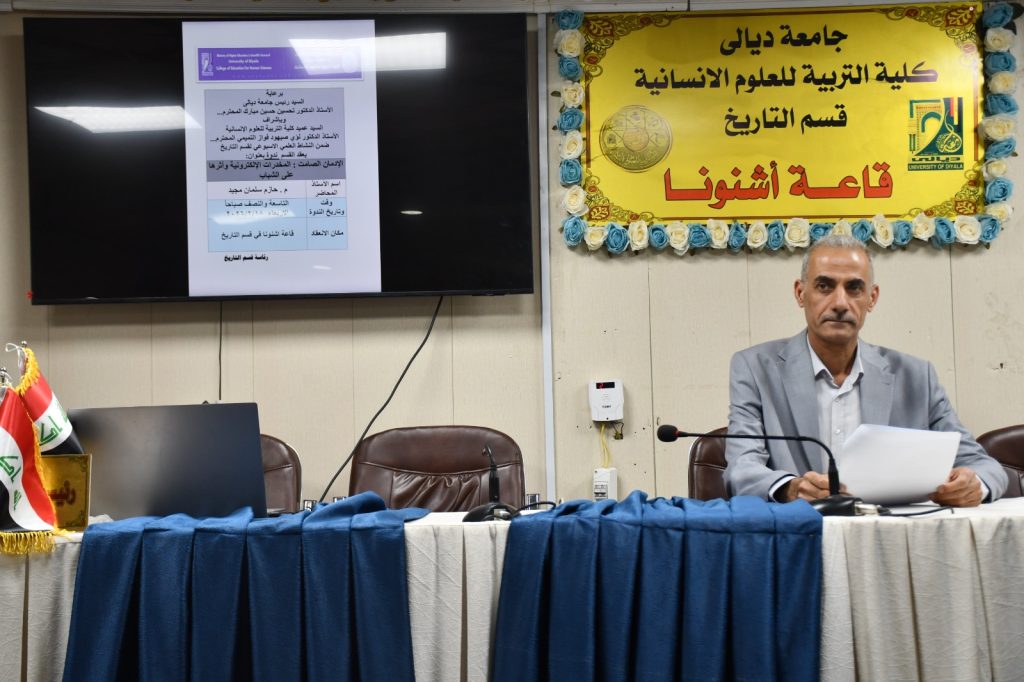
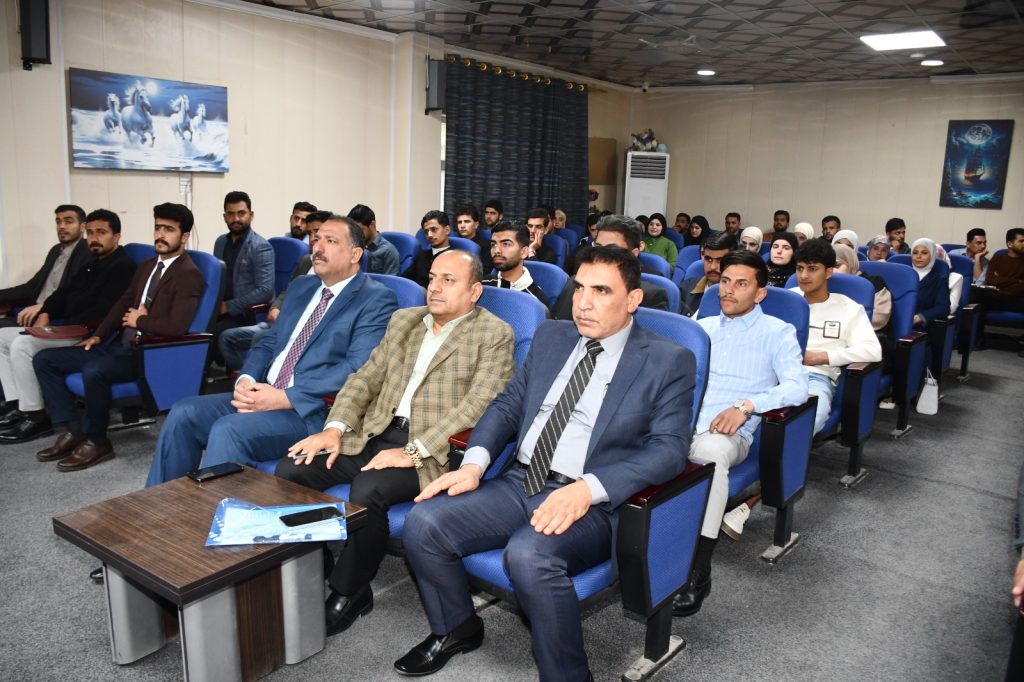
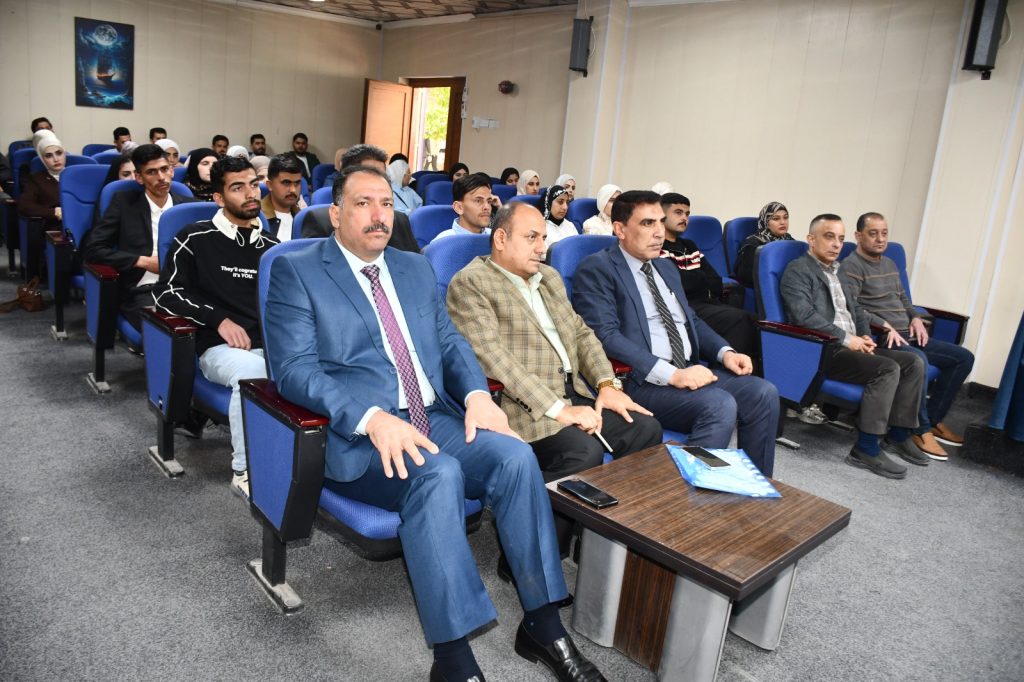
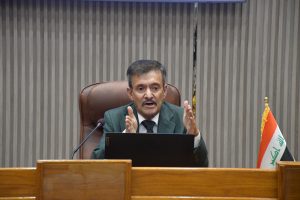
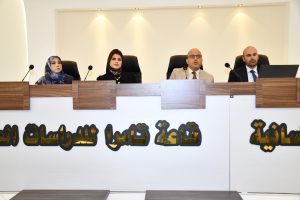
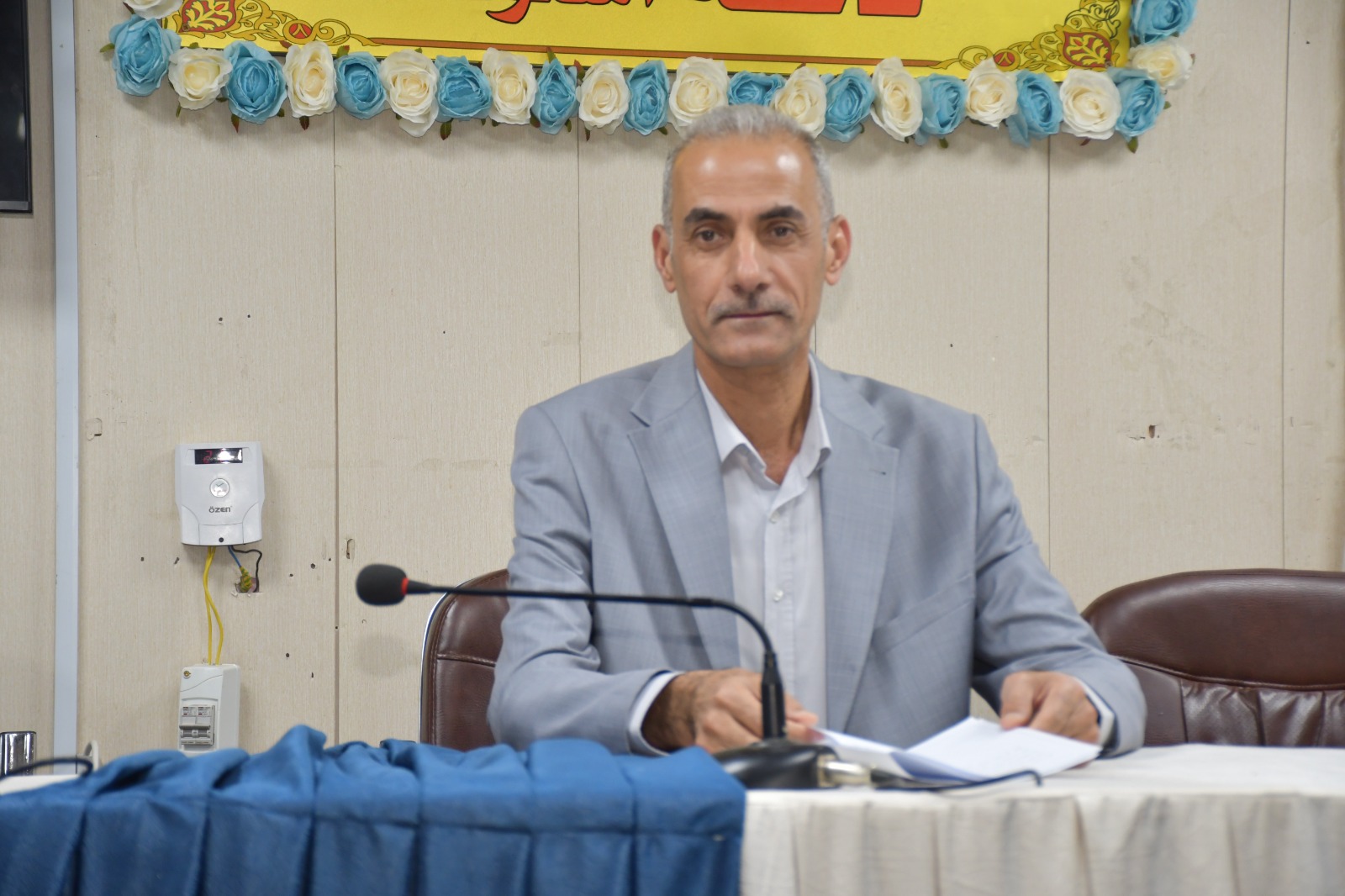
The History Department at the College of Education for Humanities, University of Diyala, held a scientific seminar on silent addiction (electronic drugs), considering it one of the most prominent psychological and social challenges associated with the rapid digital transformation, especially among young people.The seminar, presented by lecturer Hazem Salman Majeed, focused on clarifying the scientific concept of digital addiction as a form of behavioral addiction not linked to chemical substances, but rather relying on the same mechanisms of neurological stimulation. It highlighted the most prominent patterns of excessive use of digital technologies, such as video games, social media, highly stimulating short-term content, and online gambling. The seminar also analyzed the factors that have contributed to the spread of this phenomenon, including easy access to technology, leisure time, psychological pressures, and the nature of application design, which relies on constant attraction and the user’s attention.The seminar also discussed the psychological, social, and academic effects of digital addiction, explaining its repercussions on mental health, family relationships, academic achievement, and the development of real-life communication skills. The focus was on early indicators that help detect the problem before it worsens, enabling effective intervention and preventing long-term negative consequences.The seminar concluded by emphasizing that addressing digital addiction is not based on absolute prohibition, but rather on building a balanced digital culture, promoting conscious education, and activating the role of families and educational institutions in prevention and early intervention. This ensures the protection of young people and supports societal stability in the digital age, reflecting the college’s commitment to achieving the Sustainable Development Goals, particularly Goal 4 (Quality Education) and Goal 3 (Health and Well-being).