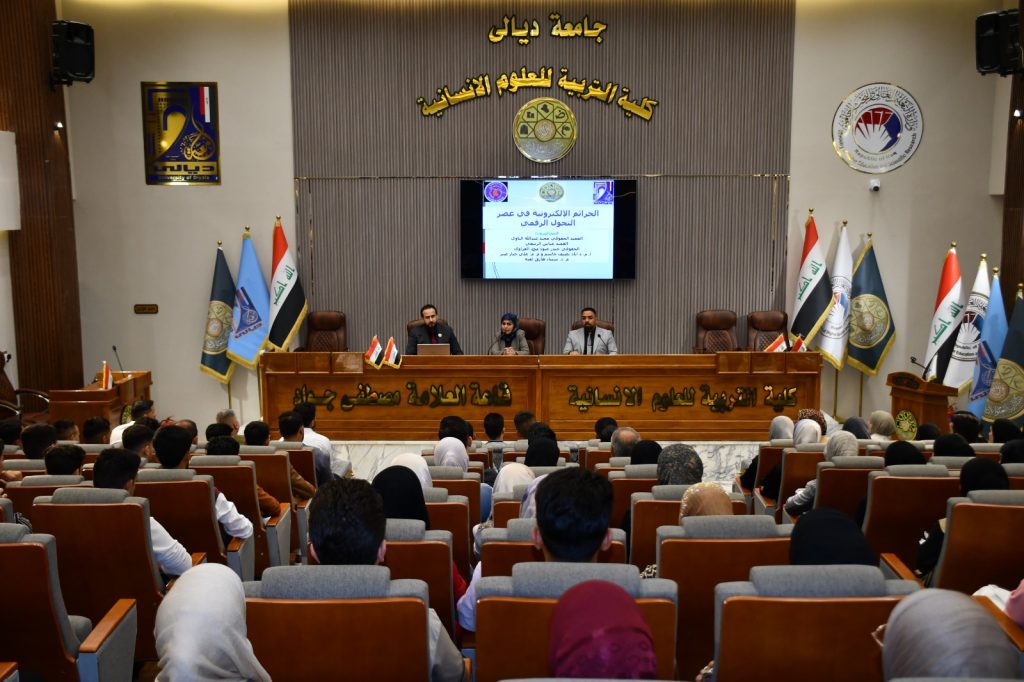
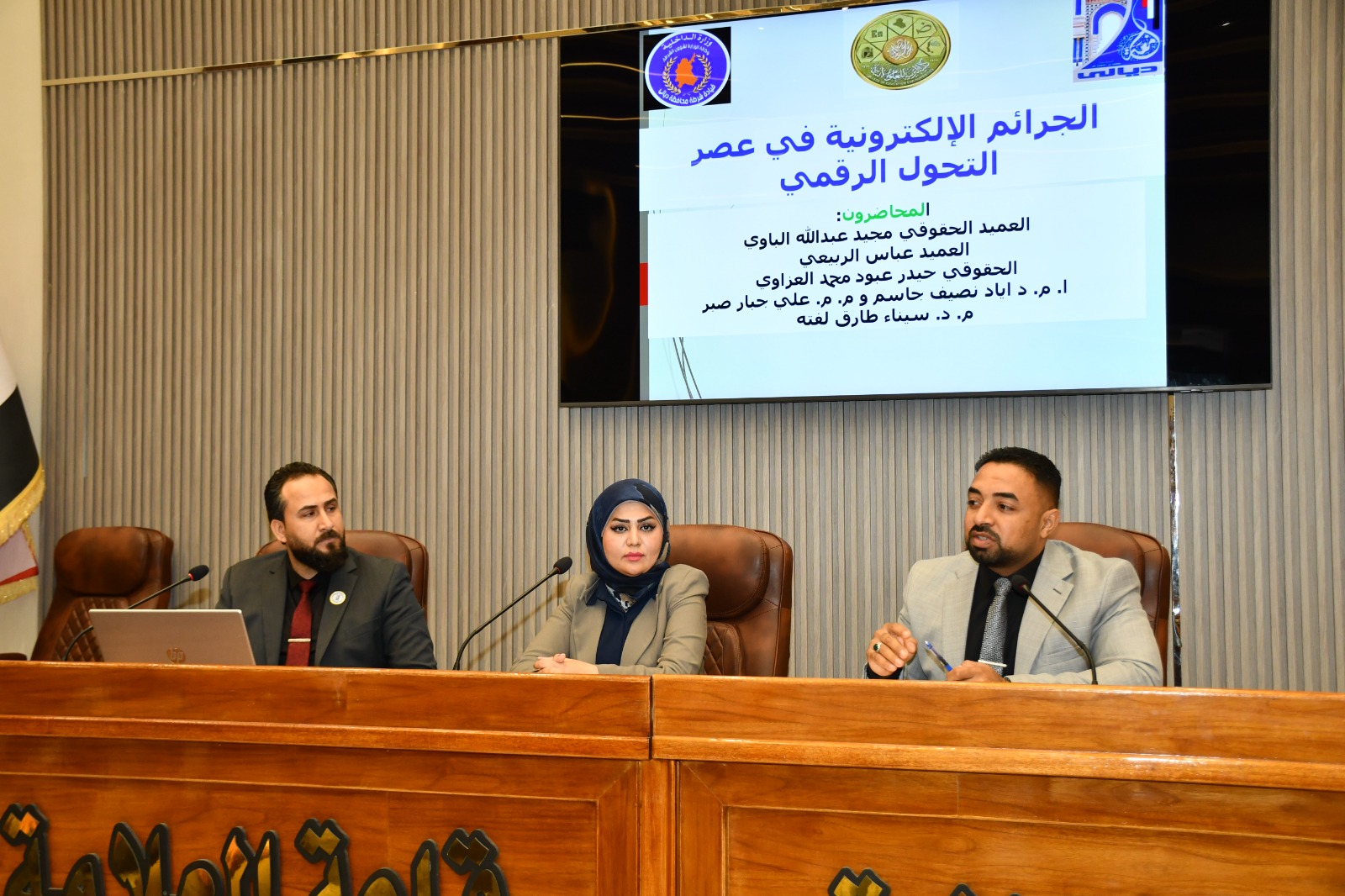
College of Education for Humanities Holds Scientific Seminar on Cybercrimes in the Digital Age
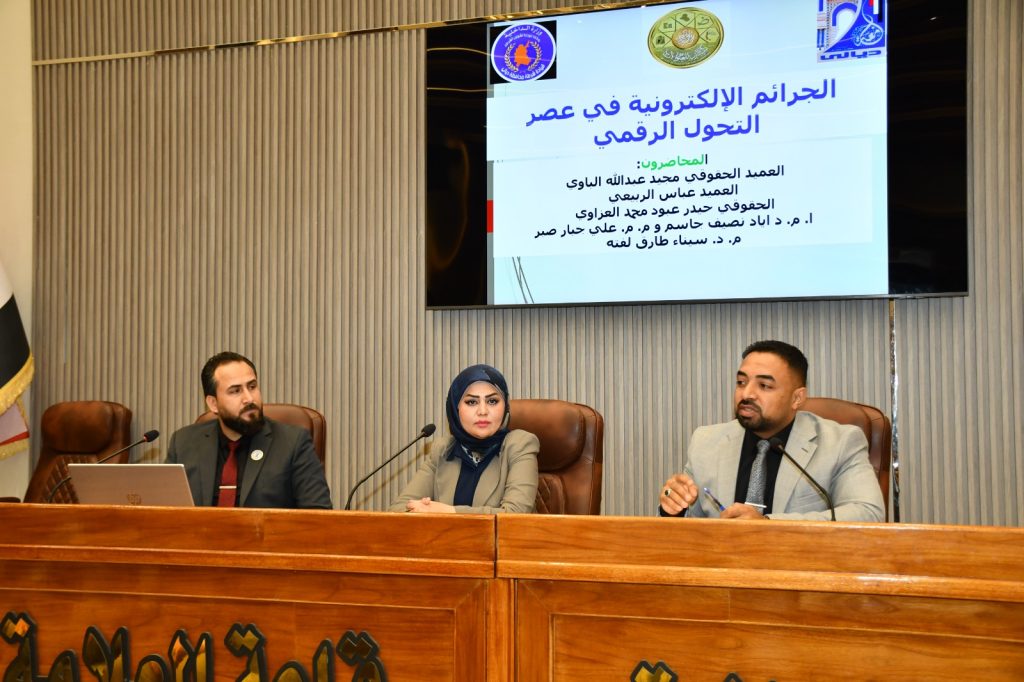
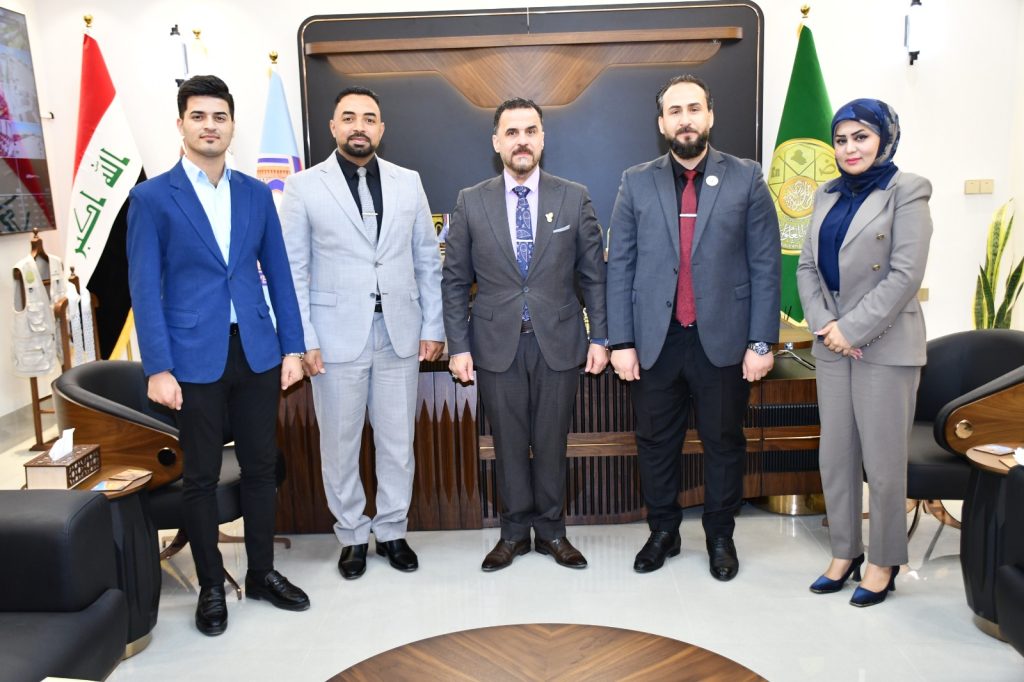
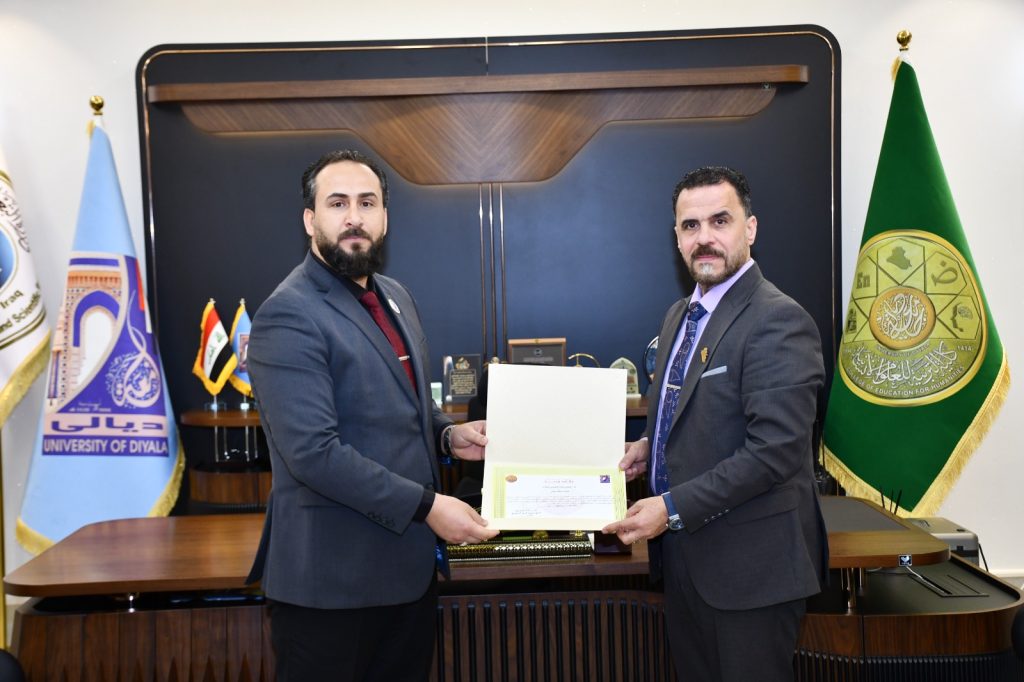
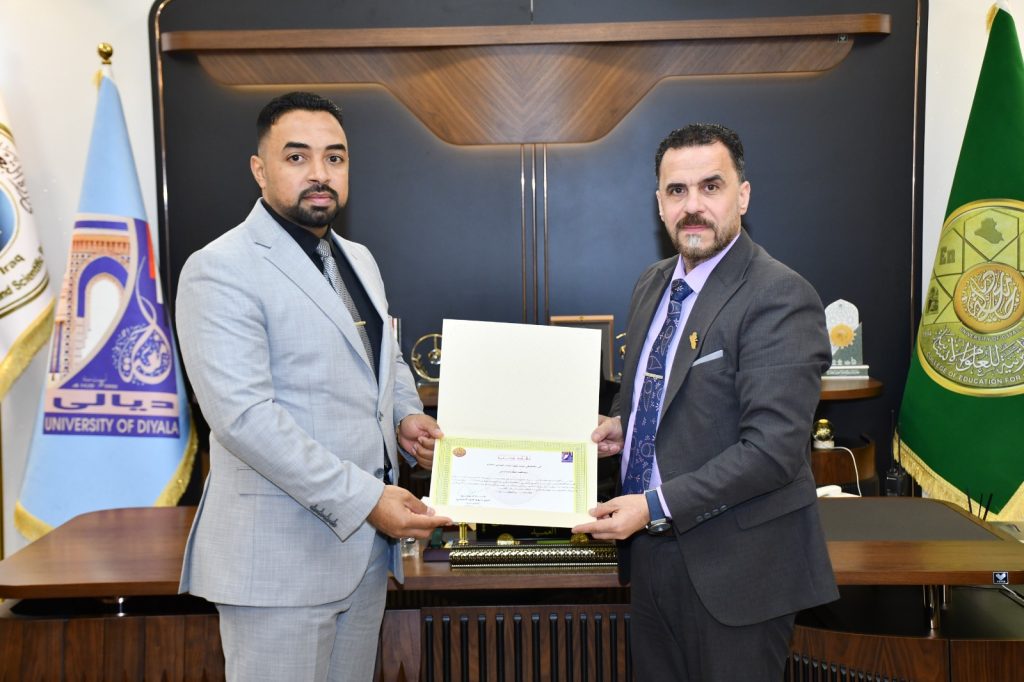
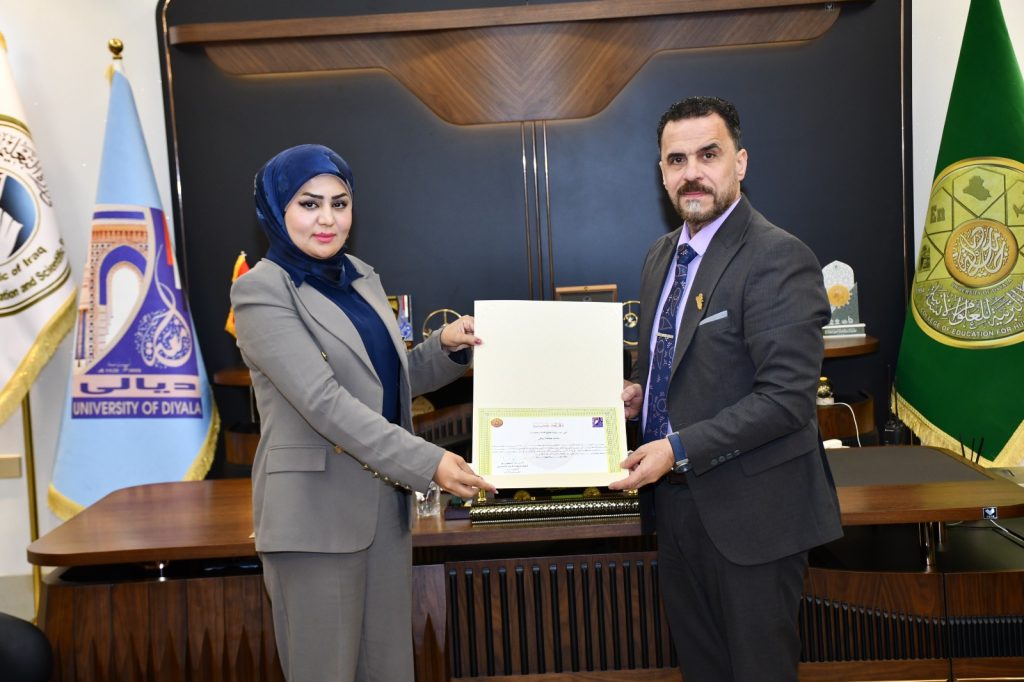
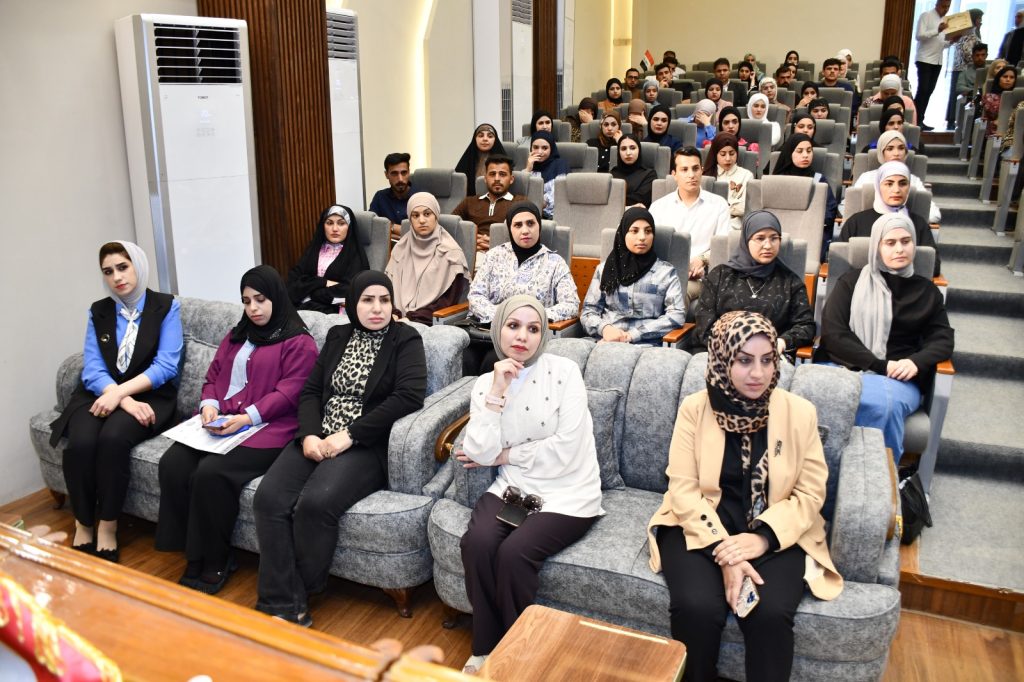
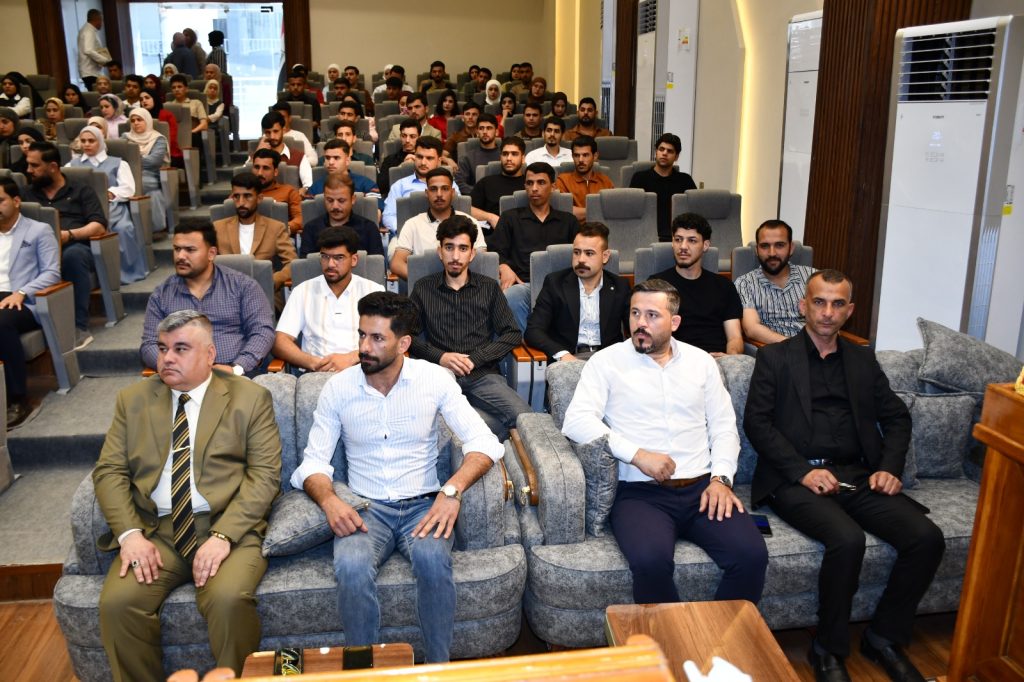
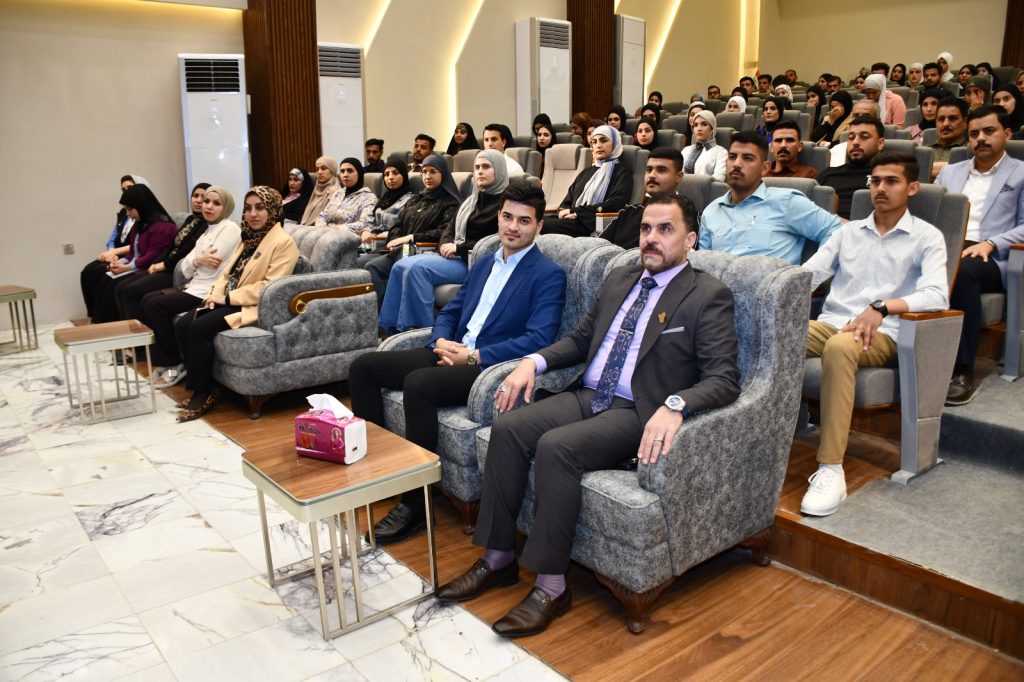
The Continuing Education Division at the College of Education for Humanities, in cooperation with the Department of Studies and Planning at Diyala University, held a scientific seminar on cybercrimes in the digital age.The seminar, whose topics were discussed by Assistant Professor Dr. Iyad Nassif Jassim, Lecturer Dr. Sinaa Tariq Lafteh, Dean Majid Abdullah Al-Bawi, Dean Abbas Al-Rubaie, and Haider Aboud Mohammed, clarified the concept of digital transformation. This transformation involves the transition from traditional systems to digital systems, the use of electronic platforms in administration and education, and reliance on databases and smart systems. Any illegal act committed via computer or networks, including system hacking, data theft, and cyber extortion, is characterized by its speed, difficulty in tracing its effects, and its ability to transcend geographical boundaries. Preventive and engineering measures are in place, such as securing internal networks, monitoring servers, and performing regular data backups.The seminar highlighted the reasons for the increase in cybercrimes, including the ease of access to malicious software tools, a lack of security awareness among the average user, and the quick profits and low risk for criminals. The seminar emphasized the types of cybercrimes occurring in the university environment, such as hacking student accounts, manipulating grades or academic data, forging electronic identities, and engaging in harassment or extortion via social media platforms. It also discussed preventative measures for students to mitigate the spread of organized crime, such as using strong passwords, avoiding sharing personal data, being wary of suspicious links, and regularly updating devices. The legal framework for penalties related to cybercrimes encompasses criminal and administrative liability, in addition to adherence to university laws and regulations. Cybercrimes have a significant impact on students’ affairs by threatening the confidentiality of personal information, damaging academic records, and eroding trust in electronic systems.This is in addition to the legal and administrative responsibilities.At the conclusion of the seminar, the Dean presented certificates of appreciation to the participants in recognition of their efforts in delivering the seminar and wished them continued success.This seminar is in line with Sustainable Development Goals 5 and 16, namely Life on Land – protecting, restoring and promoting the sustainable use of terrestrial ecosystems, and Peace, Justice and Strong Institutions – promoting inclusive and peaceful societies and providing access to justice for all.