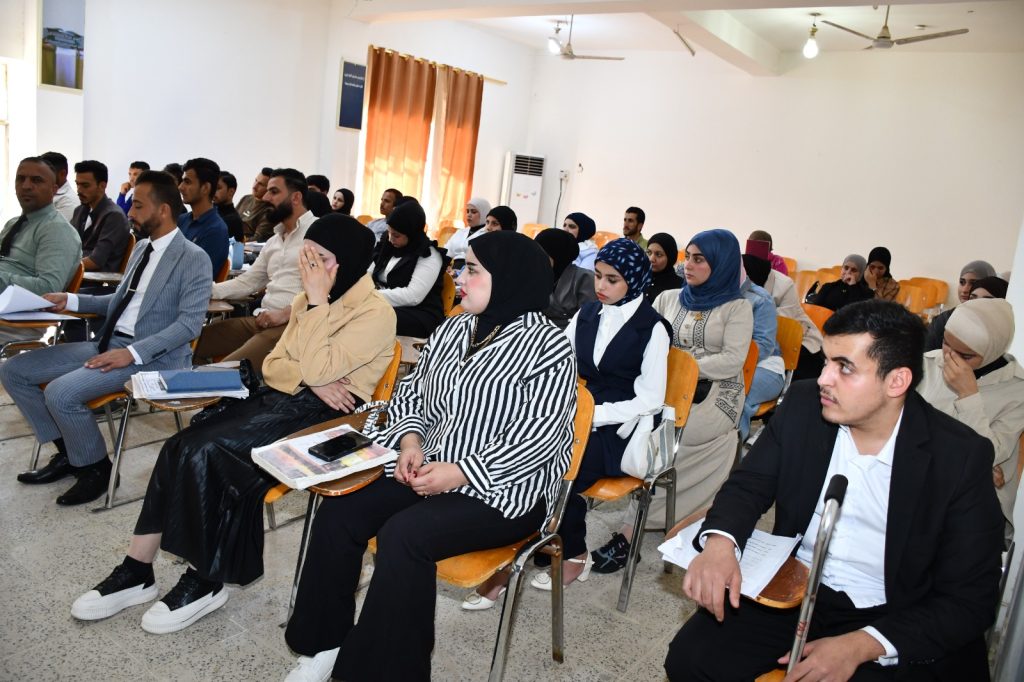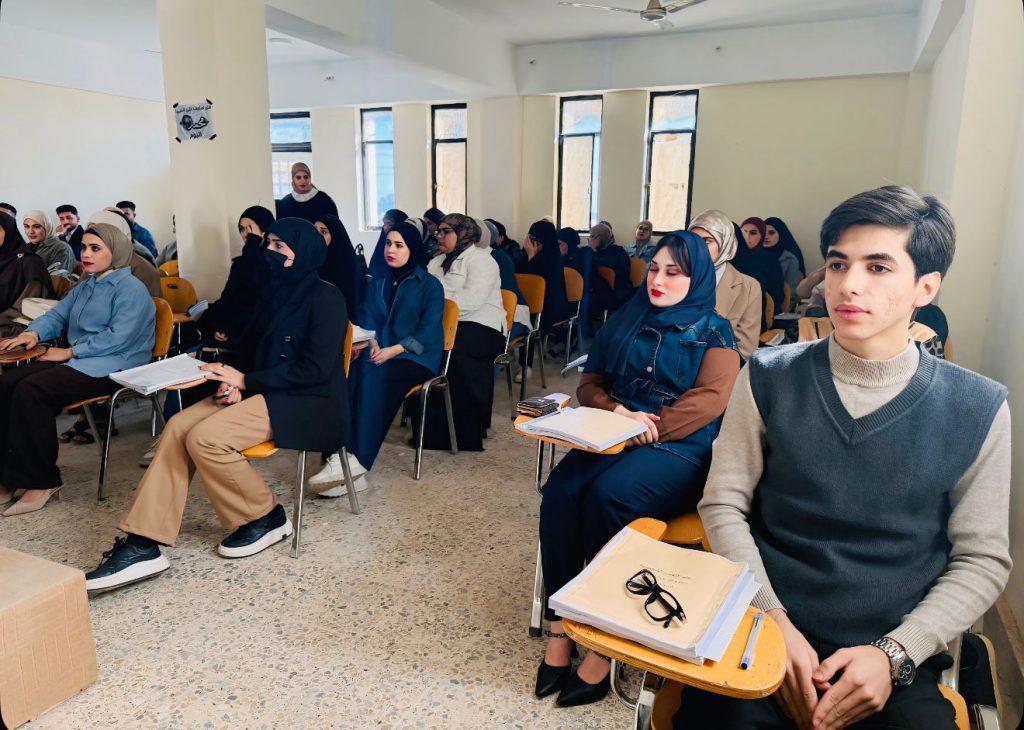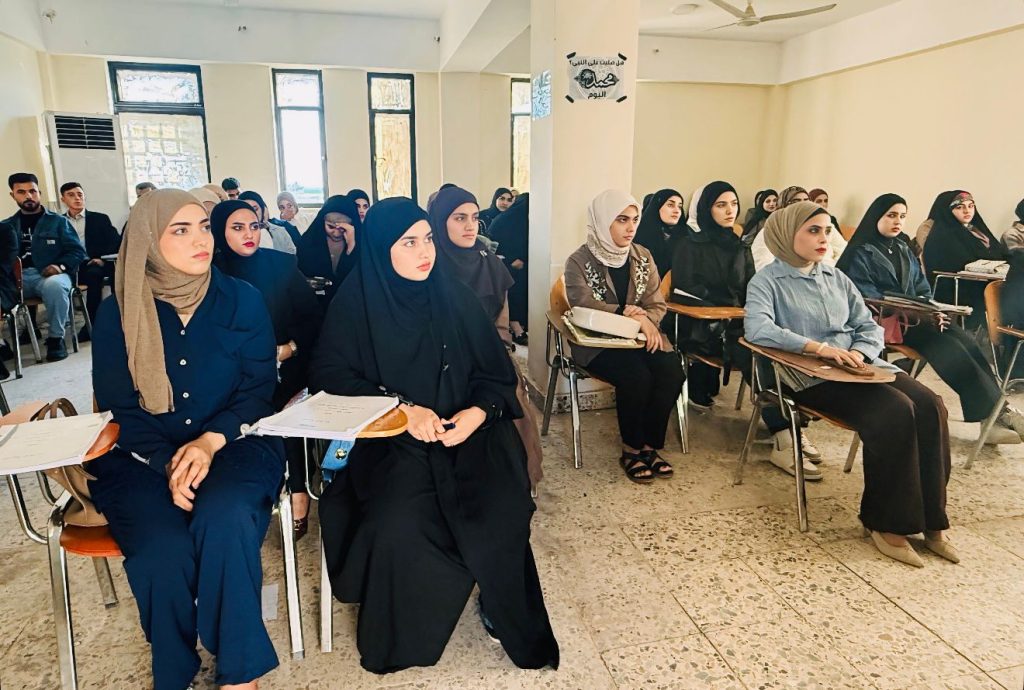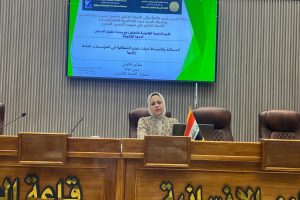
The Faculty of Education and Humanities is organizing a scientific workshop on modern sciences in psychological counseling and educational guidance.
The Faculty of Education and Humanities is organizing a scientific workshop on modern sciences in psychological counseling and educational guidance.
The Department of Educational and Psychological Sciences at the College of Education and Human Sciences, University of Diyala, organized a scientific workshop entitled The Faculty of Education and Humanities is organizing a scientific workshop on modern sciences in psychological counseling and educational guidance.
)Artificial Intelligence – Virtual Reality (
This is part of its collective effort to keep pace with scientific and technological advancements and incorporate them into modern educational and psychological fields, in line with ambitious development goals, particularly the third goal: popular support and well-being.
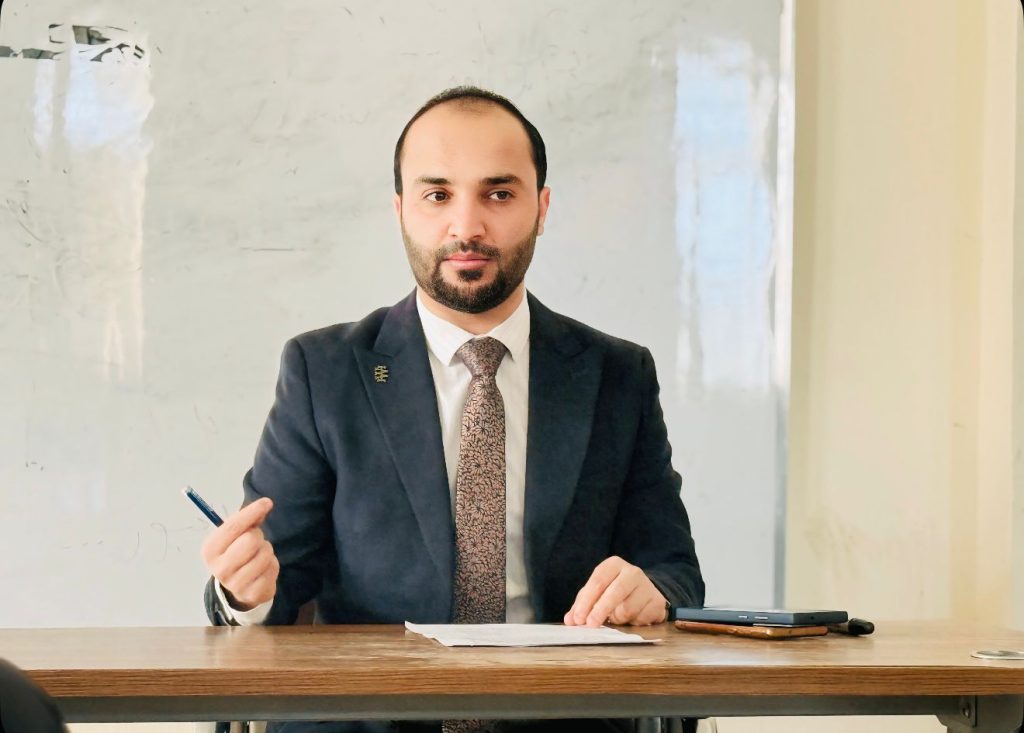
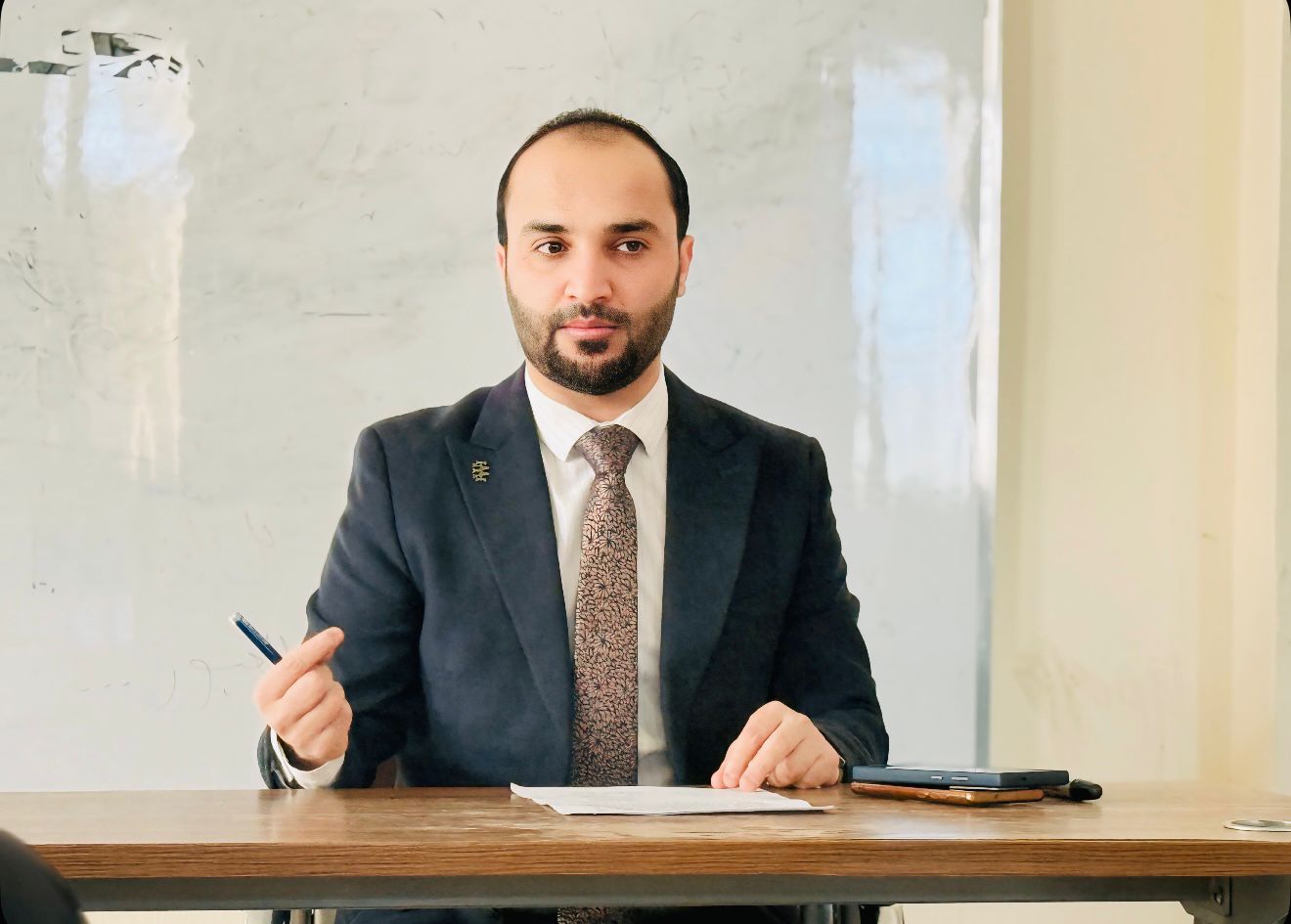
The workshop, in which the instructor Dr. Iyad Taleb discussed the significant development
In the modern era, thanks to technological advancements, modern technologies have contributed to making psychotherapy methods more effective.
The role of artificial intelligence in the early diagnosis of mental disorders was highlighted through the analysis of data extracted from smart applications for wearable devices and the provision of emotional support through chat applications.
Analyzing behavioral and emotional patterns and developing therapeutic strategies
The workshop also discussed the uses of virtual reality in psychological counseling and, notably, in treating anxiety and phobias through safe and controllable simulations, in addition to its role in treating psychological trauma by re-enacting traumatic situations and teaching individuals suffering from social phobia.
The workshop addressed the most prominent challenges faced in applying modern technologies in psychotherapy, such as creative response, ensuring privacy, and the need for specialized training for optimal children, while emphasizing the importance of using applications, including in mental health services, and the reality of sustainable development in the field of human management.