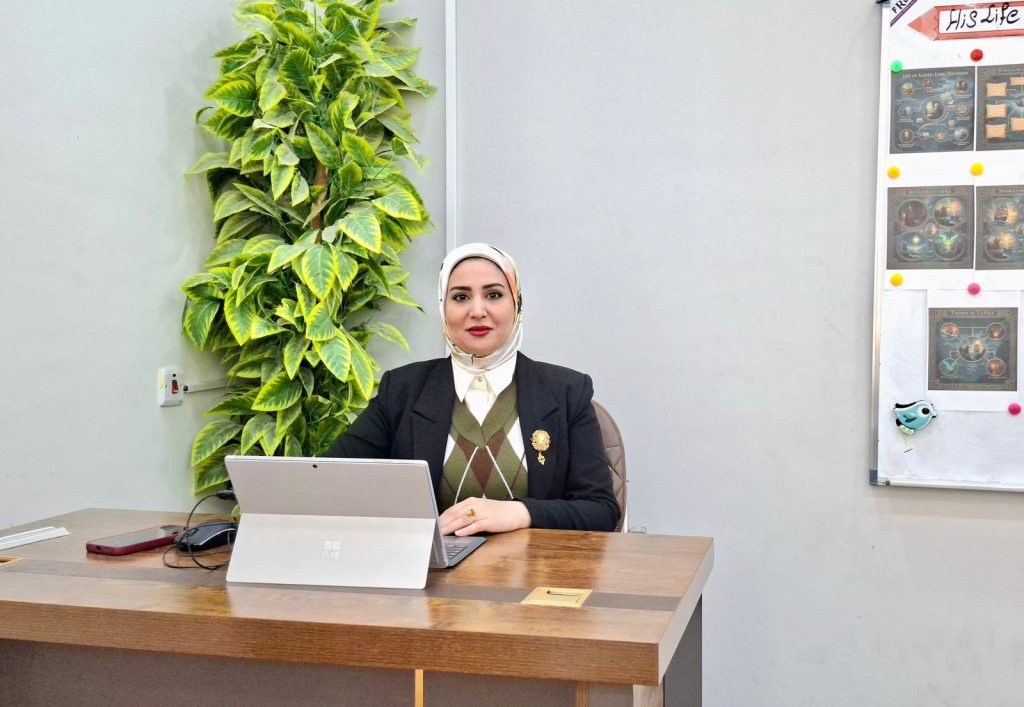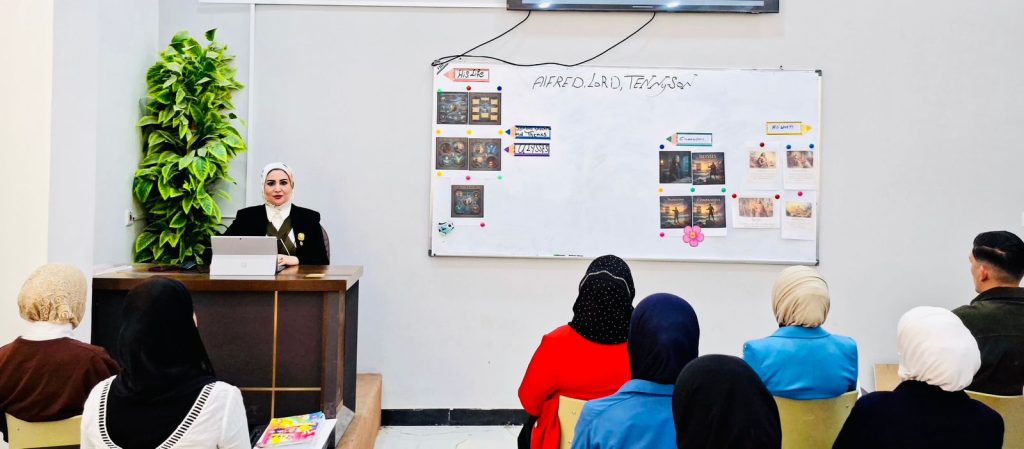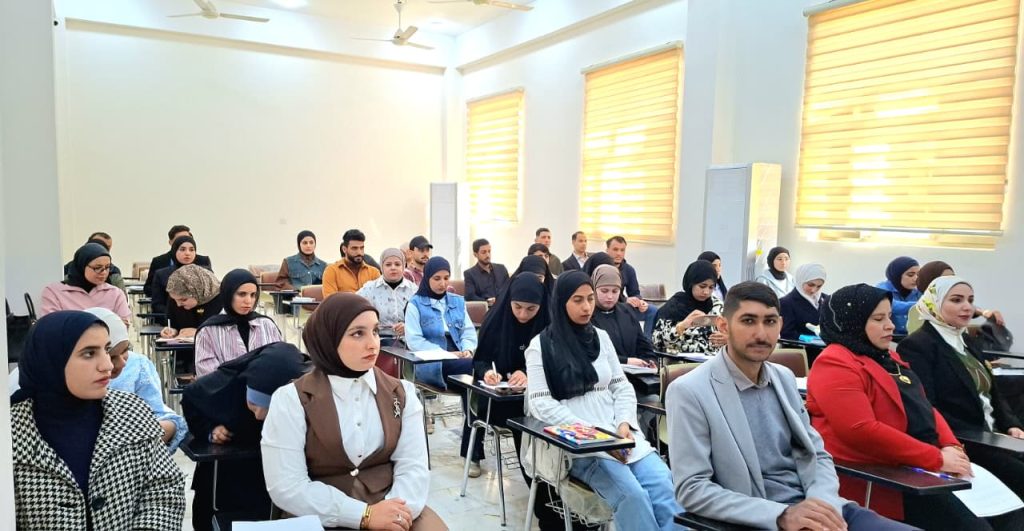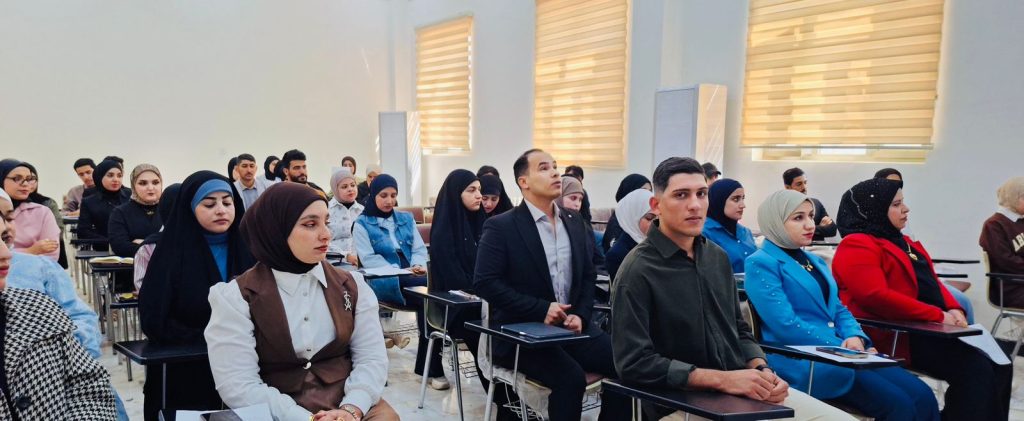
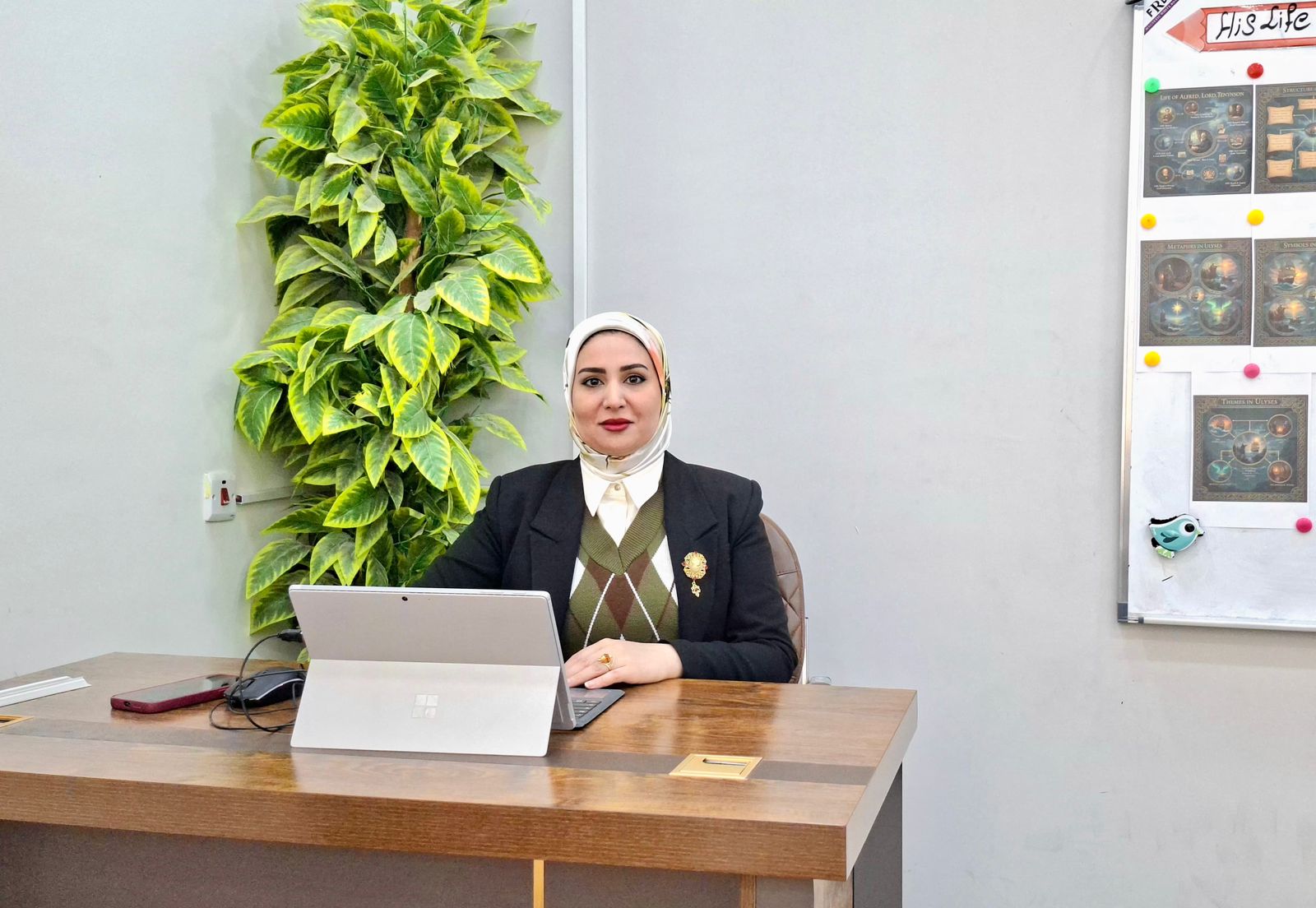
The College of Education for Humanities at Diyala University organized a seminar entitled “Literary Feminism: Celebrating Feminist Writers on International Women’s Day.”
The seminar, organized by the English Department, explored the role of women writers in shaping feminist thought in literature, focusing on the contributions of feminist literary criticism to reinterpreting literary texts and revealing the unbalanced representations of women in literary heritage. It also highlighted how women writers use literature as a means of expressing their personal experiences and confronting the patriarchal social structures that have historically limited women’s presence in the cultural sphere. The seminar traced the development of feminist thought in literature, beginning with Mary Wollstonecraft’s ideas in her book “In Defence of the Rights of Woman,” which advocated for women’s education as a foundation for achieving social and intellectual equality. The session also explored Virginia Woolf’s ideas in her book *A Room of One’s Own*, where she emphasizes that women’s literary creativity requires economic independence and a private intellectual space that enables them to express themselves freely. The discussion also highlighted prominent literary examples such as Charlotte Brontë’s *Jane Eyre*, which portrays a woman striving for independence and human dignity despite the social constraints of the Victorian era. It further discussed Jane Austen’s *Pride and Prejudice*, which, through the character of Elizabeth Bennet, offers a sharp social critique of the traditional institution of marriage and the limitations imposed on women’s choices in society. The session also shed light on the contributions of Arab women writers in addressing women’s issues within diverse social and cultural contexts. For instance, the Egyptian writer Nawal El Saadawi, in her novel *Woman at Point Zero*, presents a sharp critique of patriarchal power and social injustice through the story of a woman confronting violence and exploitation. In her novel “The Story of Zahra,” Lebanese writer Hanan al-Shaykh explores the impact of wars and political conflicts on shaping women’s psychological and social identities. This episode aligns with the fourth Sustainable Development Goal, which focuses on quality education and aims to ensure inclusive, equitable, and sustainable education for all.