College of Education for Humanities Holds Scientific Seminar on Combating Corruption
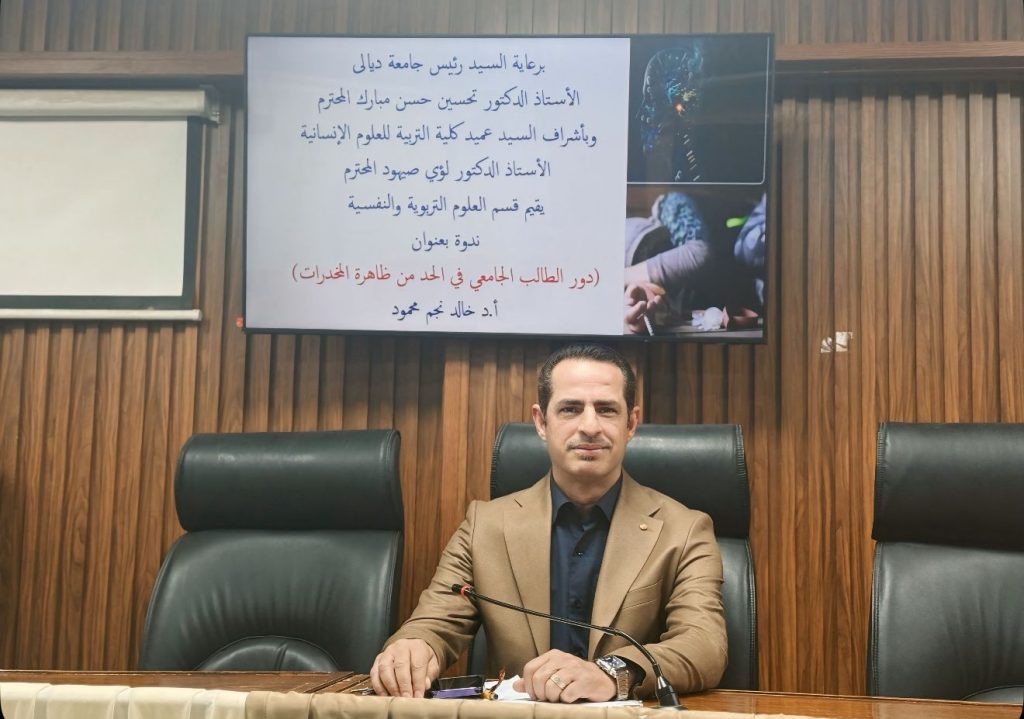
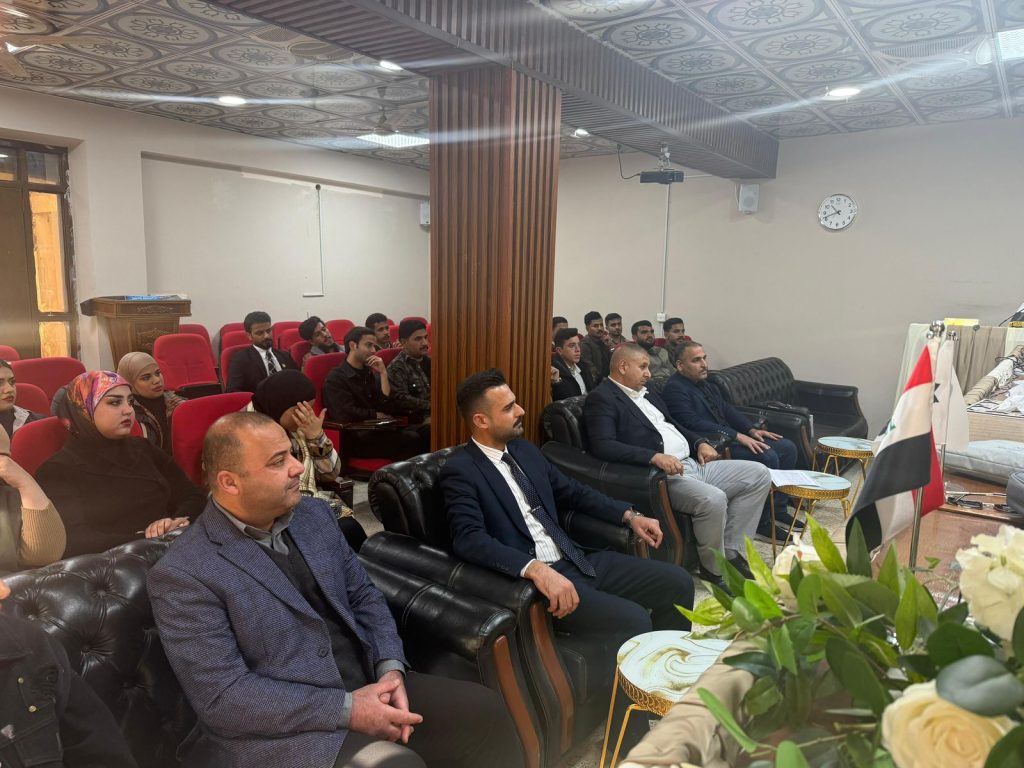
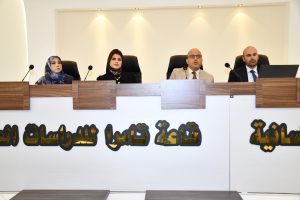
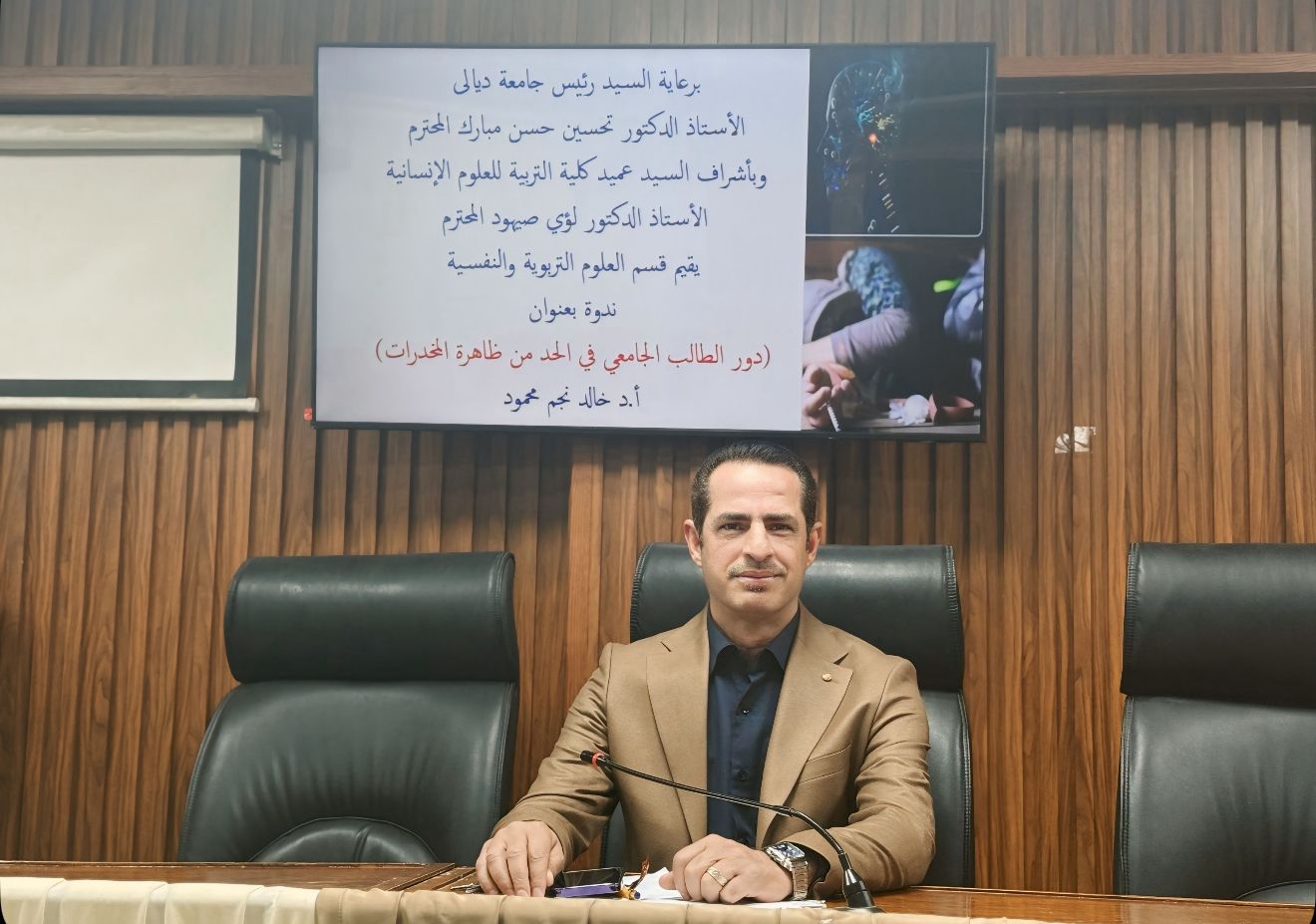
The Department of Educational and Psychological Sciences at the College of Education for Humanities, University of Diyala, held a scientific seminar on combating corruption.The seminar, presented by Assistant Lecturer Qaisar Ismail Ibrahim, aimed to define the concept of corruption and its various forms, raise awareness among attendees about the dangers of corruption to society and the state, explain the reasons that lead to its spread, and promote the values of integrity, transparency, and social responsibility.The seminar highlighted that corruption is a negative phenomenon affecting many societies, directly impacting the economy, politics, administration, and public services. Corruption is not limited to a specific group or institution; rather, it is a deviant behavior that can manifest in any situation where power or responsibility is misused. The symposium clarified the concept of corruption and its types. Corruption is any behavior involving the abuse of power or position for illicit personal gain. Among its most prominent forms are administrative corruption, financial corruption, political corruption, and moral corruption. The causes of corruption are numerous, including: weak religious and moral values, the absence or weakness of oversight and accountability, the unfair application of laws, poverty, unemployment, and economic pressures, as well as the prevalence of nepotism and favoritism.The symposium recommended the necessity of strengthening a culture of integrity in society, applying laws to everyone without exception, supporting the independence of oversight bodies, activating the role of the media in combating corruption, and encouraging community participation in reporting corruption.This symposium aligns with Sustainable Development Goal 16: Peace, Justice, and Strong Institutions – Promoting peaceful and inclusive societies and ensuring access to justice for all.