College of Education for Humanities Holds Scientific Seminar on Nuclear Disasters: Types, Causes, and How to Deal with Them
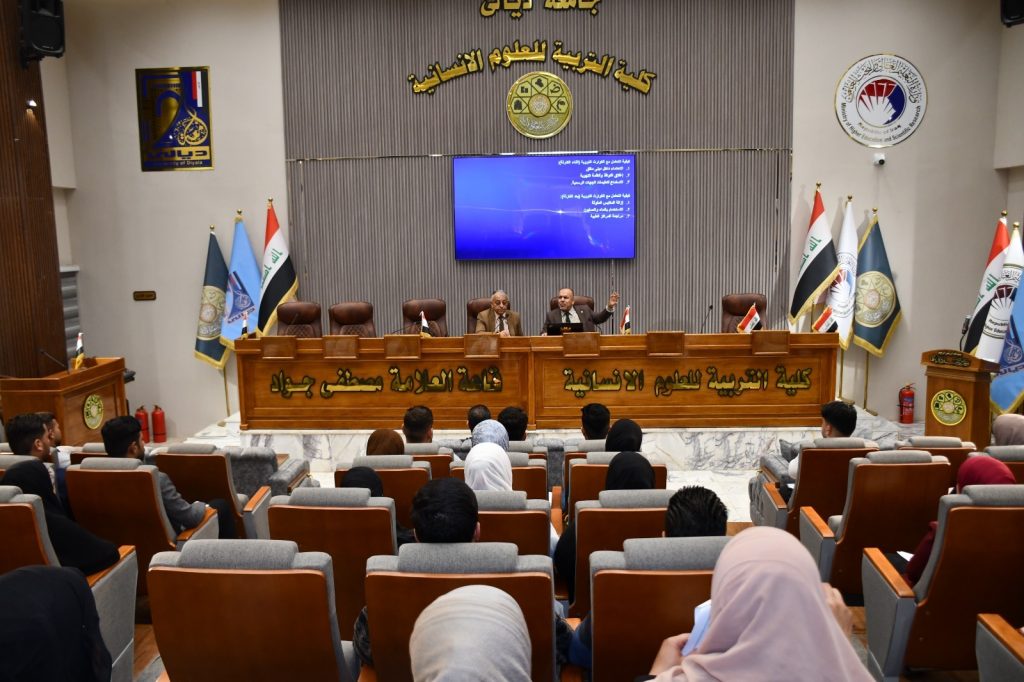
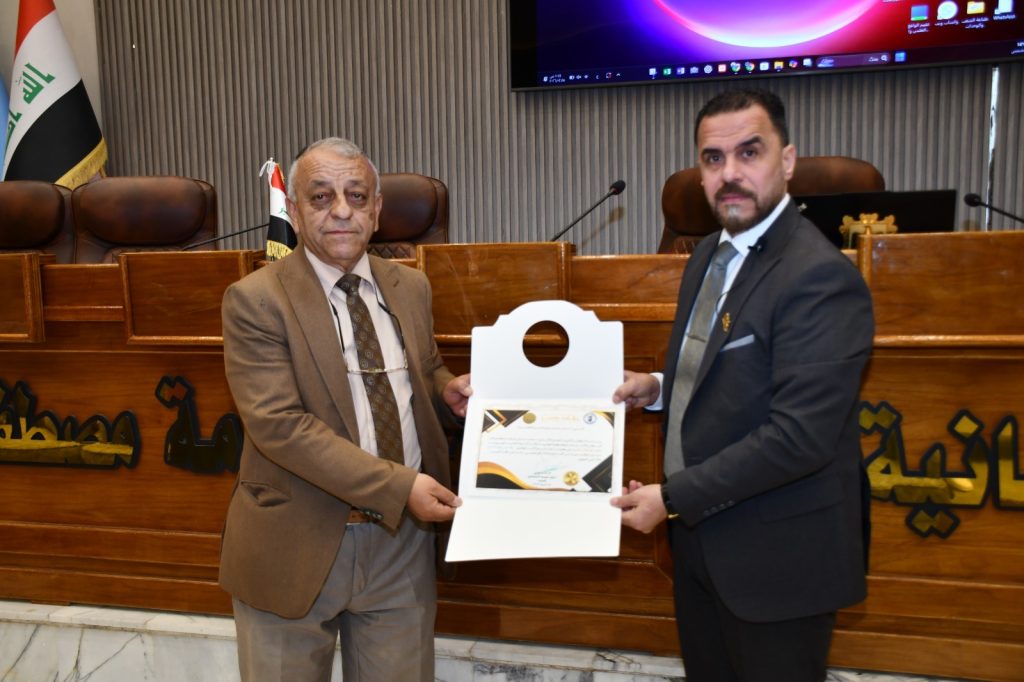
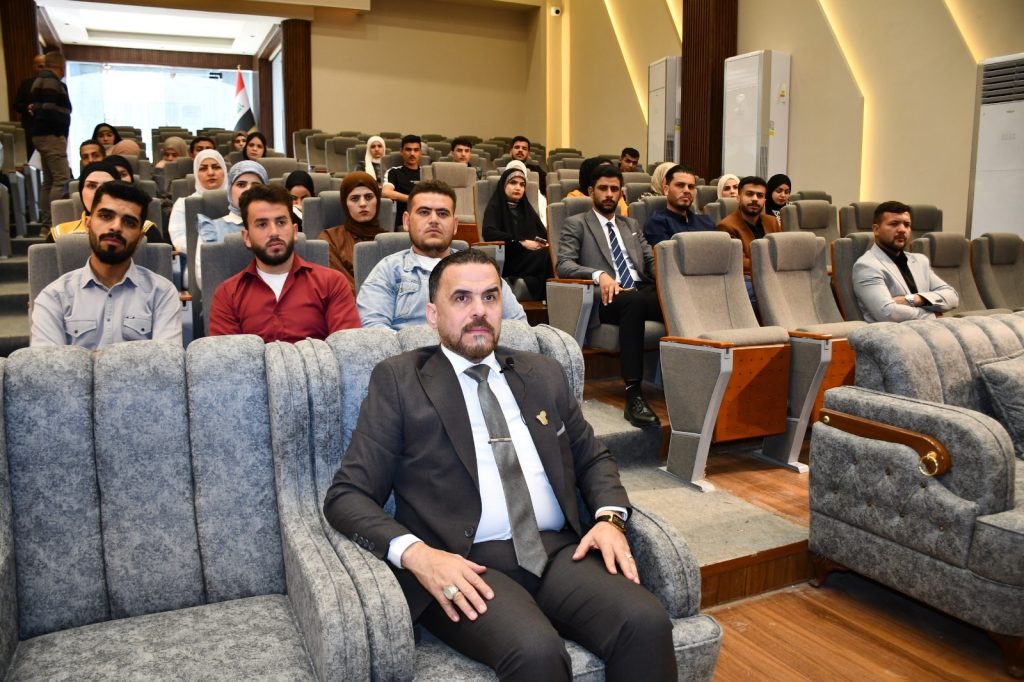
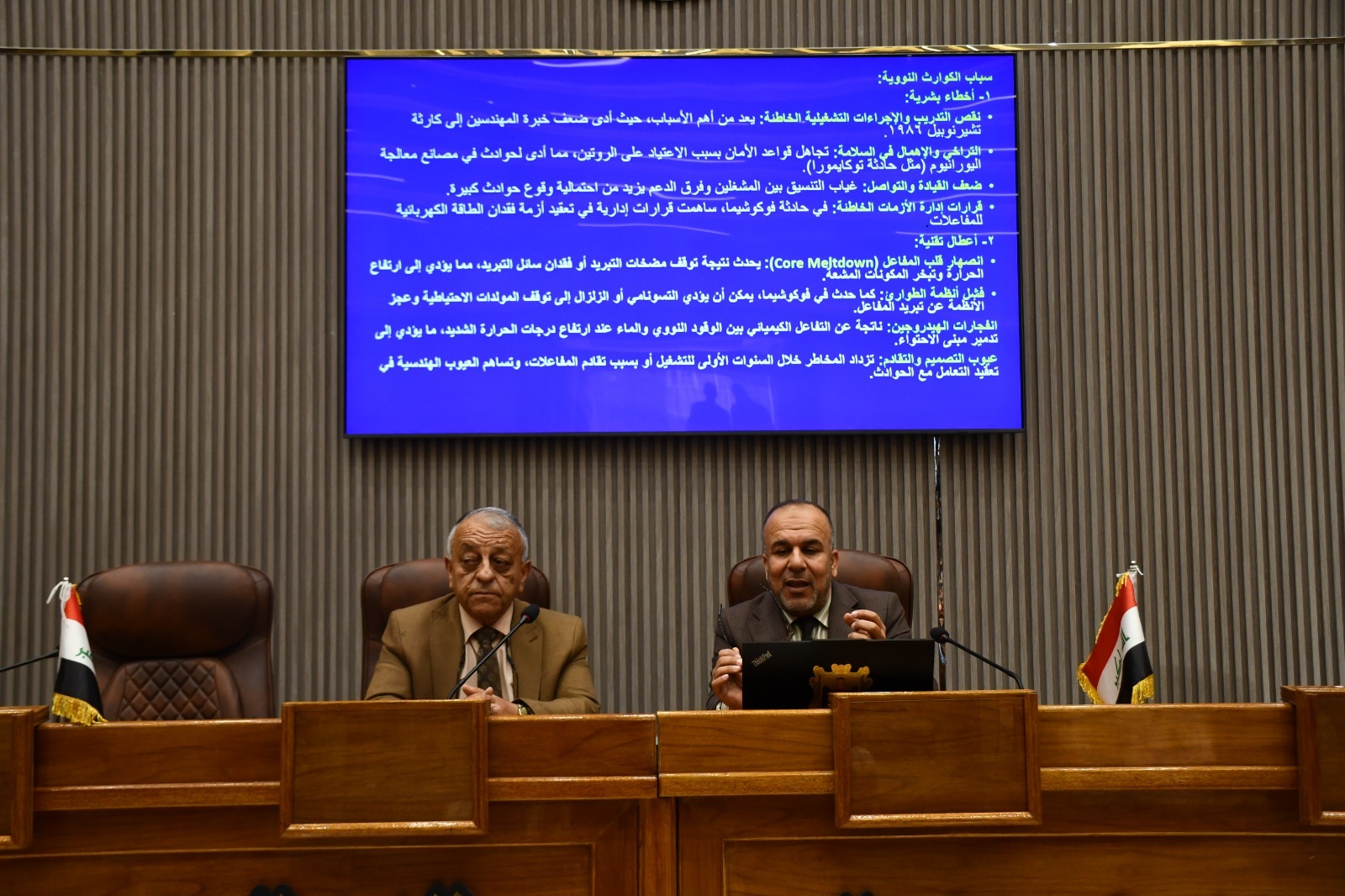
The Continuing Education Division at the College of Education for Humanities, in cooperation with the Continuing Education Center at Diyala University, held a scientific seminar on nuclear disasters, their types, causes, and prevention mechanisms. The seminar, attended by faculty members and students, aimed to raise scientific awareness of the environmental and health risks associated with nuclear energy.The seminar, presented by Dr. Firas Abdul Ahmed and Professor Dr. Firas Mahmoud Hadi, explained that nuclear disasters are accidents that lead to the leakage of radioactive materials, posing a significant threat to humans and the environment. They are divided into main types, including nuclear reactor accidents, nuclear explosions, and leaks of radioactive materials during transport or storage. Prominent historical examples include the Chernobyl disaster in Ukraine and the Fukushima Daiichi accident in Japan, both of which have had long-lasting environmental and health consequences. The symposium addressed the consequences of such disasters, including widespread radioactive contamination of soil, water, and air, and the potential for serious illnesses such as cancer and genetic mutations, as well as economic and social losses. It also explained that the most prominent causes of nuclear disasters are human error, mismanagement, inadequate training, technical malfunctions, or failures in cooling and safety systems, in addition to the impact of natural disasters such as earthquakes and tsunamis, or wars and acts of sabotage.The symposium emphasized that preventing nuclear disasters depends on implementing strict safety systems, continuous monitoring, and developing effective emergency plans to mitigate risks, in line with the Sustainable Development Goals, particularly Goal 3 (Good Health and Well-being) and Goal 13 (Climate Action), by promoting a culture of safety and protecting people and the environment from radiological hazards.